Educators: Mitigate Gen Z Digital Stress 20% in 3 Months

Advertisements
Educators can implement targeted strategies to significantly mitigate Gen Z Digital Stress, aiming for a 20% reduction in online anxiety within three months through mindful technology integration and supportive learning environments.
In an increasingly interconnected world, the digital landscape, while offering unparalleled opportunities, presents a unique set of challenges for Generation Z. As educators, understanding and addressing Gen Z Digital Stress is not just beneficial, it’s imperative. This article delves into practical, evidence-based solutions designed to help educators mitigate online anxiety among their students by a measurable 20% within a three-month timeframe.
Advertisements
Understanding the Digital Landscape of Gen Z
Generation Z, often termed digital natives, has grown up immersed in technology. Their lives are intricately woven with social media, online gaming, and constant digital communication. While this offers numerous advantages, it also creates an environment ripe for digital stress and anxiety. The pressure to maintain an online persona, fear of missing out (FOMO), cyberbullying, and information overload contribute significantly to their mental health challenges.
The ubiquity of smartphones and readily available internet access means that the digital world is always at their fingertips. This constant connectivity, while fostering communication and learning, blurs the lines between online and offline life, making it difficult for young people to disconnect and find respite. Educators are uniquely positioned to observe these impacts and intervene effectively, fostering a healthier digital relationship among students.
The Pervasive Nature of Online Presence
For Gen Z, online presence is not merely a hobby; it’s an integral part of their identity and social fabric. Social media platforms serve as their primary arenas for social interaction, self-expression, and information gathering. This constant performance and comparison can lead to heightened self-consciousness and anxiety.
- Social Comparison: Constantly exposed to curated highlight reels of peers’ lives, leading to feelings of inadequacy.
- Validation Seeking: Dependence on likes, comments, and shares for self-worth validation.
- Cyberbullying: The anonymity and reach of online platforms can amplify bullying experiences, making escape difficult.
- Information Overload: A continuous stream of news and social updates, often overwhelming and emotionally taxing.
Recognizing these underlying pressures is the first step towards developing effective mitigation strategies. It’s not about demonizing technology, but rather about equipping students with the tools to navigate it mindfully.
The digital landscape for Gen Z is complex, offering both connection and considerable pressure. Educators must acknowledge these realities to create supportive environments where students can thrive, both online and offline.
Identifying Symptoms of Digital Stress in Students
Before educators can implement effective solutions, they must be adept at identifying the signs of digital stress in their students. These symptoms can manifest in various ways, often mirroring general anxiety or depression, but with specific triggers related to digital device use and online interactions. Early detection is crucial for timely intervention.
Observing changes in behavior, academic performance, and social interactions can provide valuable clues. Students experiencing digital stress might become more withdrawn, irritable, or show a marked decrease in focus during class. They might also exhibit physical symptoms linked to stress, such as fatigue or headaches.
Behavioral and Emotional Indicators
Digital stress often presents with a range of behavioral and emotional changes that educators can look out for. These are not always explicit and may require careful observation and empathy.
- Increased Irritability or Mood Swings: Becoming easily frustrated, especially when unable to access devices or social media.
- Social Withdrawal: Retreating from in-person social interactions in favor of online engagement, or conversely, withdrawing from all social contact.
- Changes in Sleep Patterns: Staying up late due to screen time, leading to fatigue and difficulty concentrating.
- Obsessive Device Checking: Compulsively checking notifications, even when not expecting anything urgent.
- Academic Decline: Difficulty focusing on schoolwork, decreased motivation, and poorer grades.
Understanding these indicators allows educators to approach students with informed concern, opening avenues for supportive conversations and appropriate guidance. It’s important to create a safe space where students feel comfortable discussing their struggles without judgment.
Physical Manifestations and Academic Impact
Beyond emotional and behavioral shifts, digital stress can also lead to physical symptoms and directly affect a student’s academic life. These physical signs are often overlooked but are significant indicators.
Headaches, eye strain, and neck pain are common physical complaints arising from prolonged screen time. A lack of physical activity due to digital engagement can also contribute to overall lethargy and decreased physical well-being. Academically, the constant distraction of notifications and the pressure of online performance can severely impair concentration and learning efficiency. Students might struggle with homework completion, participate less in class, and show a general disinterest in educational activities.
Recognizing these varied symptoms is fundamental. Educators can then move beyond mere observation to proactive strategies that address the root causes of digital anxiety, leading to improved student well-being and academic outcomes.
Promoting Digital Literacy and Critical Thinking
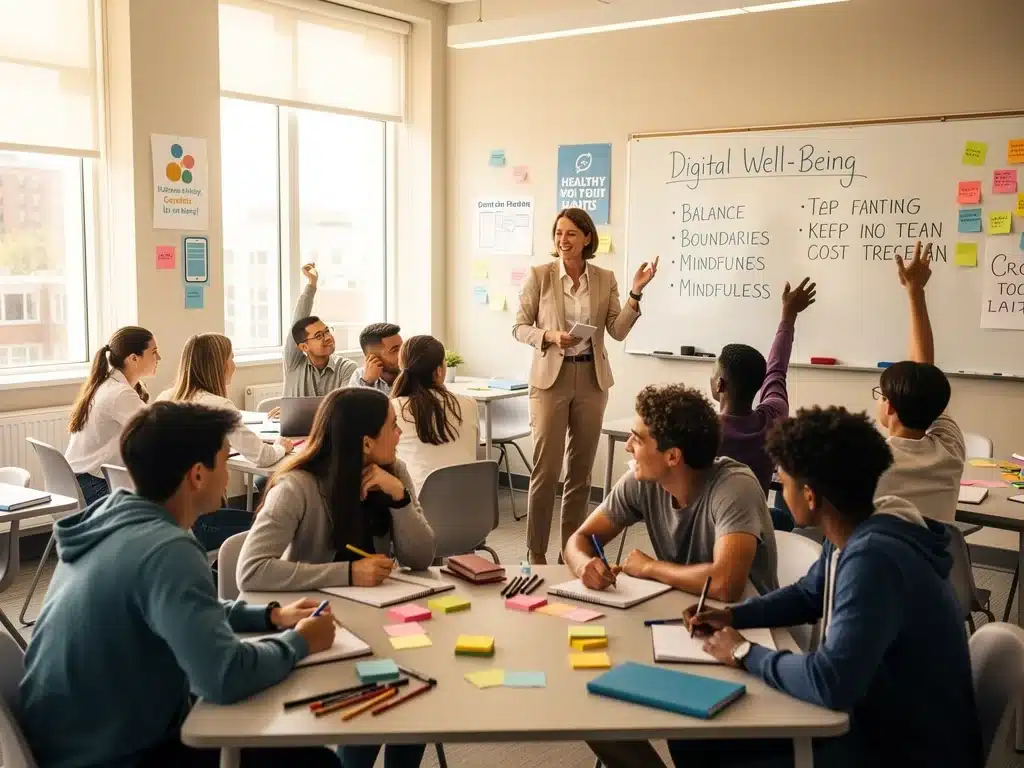
One of the most powerful tools educators have in combating Gen Z Digital Stress is fostering strong digital literacy and critical thinking skills. This goes beyond simply knowing how to use technology; it involves understanding its nuances, evaluating information, and recognizing the psychological impacts of online environments. Equipping students with these skills empowers them to navigate the digital world more effectively and safely.
Digital literacy includes understanding online privacy, recognizing misinformation, and developing healthy online communication habits. Critical thinking helps students question what they see and hear online, rather than passively absorbing content, thereby reducing the impact of social comparison and online pressures.
Teaching Media Evaluation and Online Safety
Educators can integrate lessons on media evaluation into their curriculum, teaching students how to discern credible sources from unreliable ones. This is particularly important given the prevalence of fake news and biased content online.
- Source Verification: Teach students to cross-reference information and identify reputable sources.
- Bias Recognition: Discuss how personal biases and algorithms can influence the information they encounter.
- Privacy Settings: Guide students on how to manage their privacy settings on social media and other platforms to protect personal information.
- Reporting Mechanisms: Educate them on how to report cyberbullying or inappropriate content effectively.
By actively teaching these skills, educators help students become more discerning consumers and creators of online content, reducing their vulnerability to online stressors and manipulation.
Cultivating Mindful Digital Habits
Critical thinking also extends to how students interact with technology on a personal level. Encouraging mindful digital habits means prompting students to reflect on their screen time, their motivations for going online, and the emotional impact of their digital interactions.
This can involve discussions about the concept of ‘digital detoxes,’ setting boundaries for screen use, and understanding the persuasive design elements of social media that encourage endless scrolling. Educators can facilitate activities that encourage self-awareness regarding digital consumption, helping students to make intentional choices about their online engagement rather than falling into passive patterns. The goal is to empower students to take control of their digital lives, reducing the feeling of being overwhelmed by constant connectivity.
Ultimately, promoting digital literacy and critical thinking transforms students from passive recipients of online information into active, thoughtful participants. This foundational skill set is vital for mitigating digital stress and fostering long-term digital well-being.
Implementing Classroom Strategies for Digital Well-being
Beyond teaching digital literacy, educators can integrate specific strategies within the classroom to actively promote digital well-being and reduce online anxiety. These strategies focus on creating a supportive learning environment that acknowledges the digital realities of Gen Z while encouraging healthier habits and coping mechanisms.
These classroom-based interventions can range from structured technology breaks to incorporating mindfulness practices. The key is consistency and integrating these practices naturally into the daily school routine, making them feel less like an imposition and more like a supportive framework.
Structured Tech Breaks and Offline Activities
One direct approach is to implement regular, structured breaks from digital devices during the school day. This helps students disengage and re-center, reducing the constant pressure of connectivity.
- Designated ‘No-Phone Zones’: Establish specific areas or times in the classroom where phones are put away.
- Mindful Movement Breaks: Incorporate short physical activities or stretches to break up screen time.
- Creative Offline Tasks: Encourage activities that require hands-on engagement, such as drawing, writing in journals, or group discussions without devices.
These breaks not only reduce screen time but also promote alternative ways of learning and interacting, fostering creativity and social skills that can sometimes be overshadowed by digital engagement.
Integrating Mindfulness and Emotional Regulation
Teaching students techniques for mindfulness and emotional regulation can provide them with crucial tools to manage the emotional fallout of digital stress. These skills are transferable and beneficial for overall mental health.
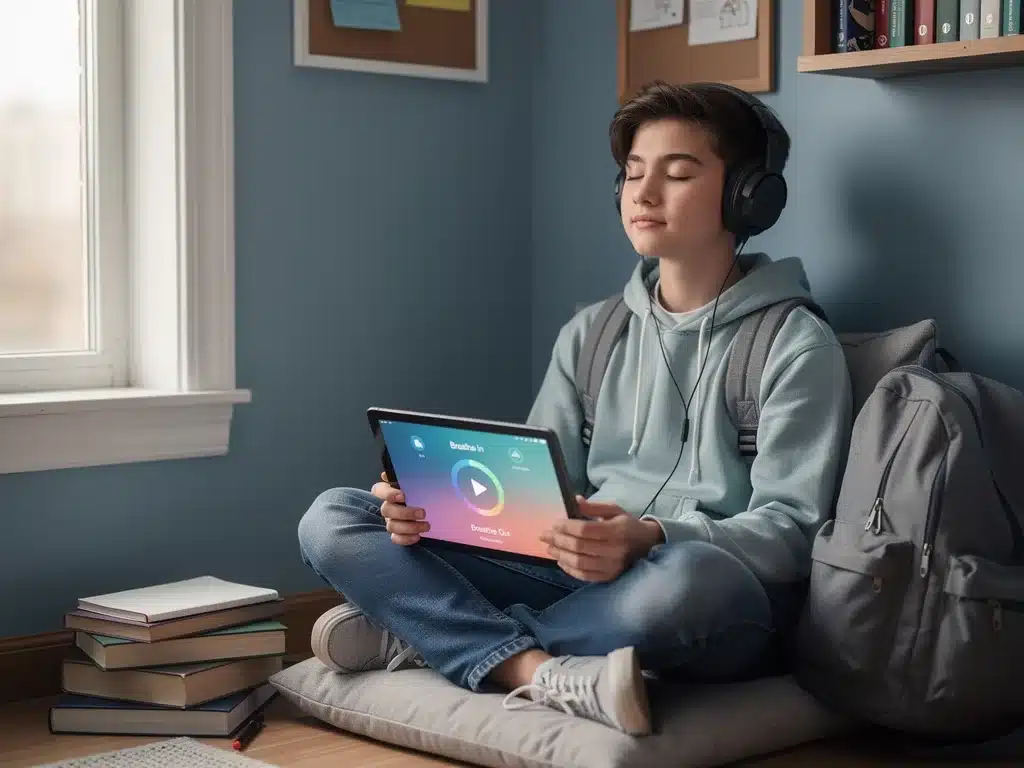
Simple mindfulness exercises, such as guided breathing or short meditation practices, can be incorporated at the start or end of lessons. Educators can also teach students about emotional identification and healthy coping mechanisms for dealing with feelings of anxiety or frustration that might arise from online interactions. Creating a classroom culture where it’s okay to discuss feelings and seek support is paramount. By building these emotional intelligence skills, students gain greater control over their internal responses to external digital pressures, contributing significantly to a reduction in their overall digital anxiety.
By actively weaving these strategies into the educational fabric, educators not only address immediate digital stress but also equip students with lifelong tools for mental resilience in an ever-evolving digital world.
Collaborating with Parents and School Counselors
Mitigating Gen Z Digital Stress is not solely the responsibility of educators; it requires a collaborative effort involving parents and school counselors. A united front ensures consistency in messaging and support systems, reinforcing healthy digital habits both at school and at home. This holistic approach significantly amplifies the impact of individual interventions.
Open communication channels between all stakeholders are vital. Parents need to be informed about the challenges their children face online, and counselors can provide specialized support and resources that educators might not be equipped to offer alone.
Engaging Parents in Digital Well-being Discussions
Educators can initiate conversations with parents, sharing insights into digital stress and offering practical advice for home environments. Parent workshops or informational sessions can be highly effective.
- Informational Workshops: Organize sessions on topics like setting screen time limits, monitoring online content, and fostering open communication about digital challenges.
- Resource Sharing: Provide parents with curated lists of reliable resources, apps, or articles on digital parenting and mental health.
- Consistent Messaging: Work with parents to ensure that the messages about healthy digital habits are consistent between school and home.
When parents are informed and involved, they can create a home environment that supports the digital well-being initiatives implemented in school, reinforcing positive behaviors and reducing sources of stress.
Leveraging School Counselor Expertise
School counselors are invaluable allies in addressing digital stress. They possess the expertise to provide individual or group counseling, conduct mental health screenings, and connect students with external resources when necessary.
Educators should establish clear referral pathways for students who exhibit more severe symptoms of digital anxiety or who may benefit from professional guidance. Counselors can also lead school-wide campaigns or workshops on topics such as cyberbullying prevention, stress management, and healthy digital citizenship. Their specialized training allows for deeper interventions and a more nuanced understanding of individual student needs. By integrating the expertise of school counselors, educators can ensure that students receive comprehensive support, creating a robust safety net against the adverse effects of digital stress.
This collaborative ecosystem strengthens the overall support structure for Gen Z, making a significant difference in their ability to cope with and mitigate digital anxiety effectively.
Measuring Progress and Adapting Strategies
To truly mitigate Gen Z Digital Stress by 20% in three months, it’s essential to establish clear metrics for success and regularly adapt strategies based on observed progress. A data-driven approach ensures that interventions are effective and responsive to the evolving needs of students. Without proper measurement, efforts can become diffuse and impact unknown.
This involves both qualitative and quantitative assessments, looking at student well-being surveys, academic performance, and behavioral changes. Regular check-ins and feedback loops are critical to understanding what works and what needs adjustment.
Quantitative and Qualitative Assessment Tools
Educators can utilize a combination of tools to track the impact of their digital well-being initiatives. These tools provide a comprehensive picture of student progress.
- Anonymous Student Surveys: Gather data on perceived stress levels, screen time habits, and feelings about social media.
- Academic Performance Tracking: Monitor changes in grades, homework completion, and classroom participation.
- Behavioral Observations: Document instances of irritability, withdrawal, or increased focus related to digital device use.
- Student Feedback Sessions: Conduct small group discussions to gather qualitative insights into their experiences and the effectiveness of strategies.
Collecting diverse data points allows for a more accurate assessment of the interventions’ effectiveness and highlights areas needing further attention. It also provides tangible evidence of progress, which can be motivating for both students and educators.
Iterative Approach and Continuous Improvement
Mitigating digital stress is not a one-time fix but an ongoing process. Educators must adopt an iterative approach, continually evaluating their strategies and making adjustments as needed. The digital landscape itself is constantly changing, requiring flexible and adaptive responses.
Regular review meetings with colleagues, parents, and counselors can facilitate the sharing of best practices and identification of emerging challenges. Being open to feedback from students themselves is perhaps the most crucial aspect of this iterative process. Their perspectives offer invaluable insights into the real-world impact of digital stressors and the efficacy of implemented solutions. By embracing continuous improvement, educators can ensure that their efforts remain relevant and impactful, consistently working towards reducing digital stress and fostering a healthier digital environment for Gen Z.
Measuring progress and adapting strategies are non-negotiable steps towards achieving the goal of significantly reducing digital anxiety, ensuring that educational interventions are both effective and sustainable.
Building Resilience Against Future Digital Challenges
Ultimately, the goal extends beyond immediate mitigation of Gen Z Digital Stress; it’s about building long-term resilience against future digital challenges. The digital world will continue to evolve, presenting new complexities and pressures. Equipping students with enduring coping mechanisms and a robust understanding of digital well-being principles is paramount for their sustained mental health.
This proactive approach means focusing on transferable skills and a mindset that embraces continuous learning and adaptation in the face of technological change. Resilience isn’t about avoiding challenges, but about developing the capacity to navigate them effectively.
Fostering Self-Advocacy and Peer Support Networks
Empowering students to advocate for their own digital well-being is a critical component of long-term resilience. This involves teaching them how to recognize their limits, communicate their needs, and seek help when necessary.
- Digital Boundaries: Encourage students to set and enforce personal boundaries for screen time and online engagement.
- Open Communication: Facilitate discussions on how to talk about digital stress with friends, family, and trusted adults.
- Peer Support Groups: Support the creation of student-led initiatives or groups focused on digital well-being, where peers can share experiences and offer mutual support.
When students feel empowered to speak up and support each other, they create a stronger collective defense against digital pressures, fostering a culture of shared responsibility for well-being.
Lifelong Learning in a Digital World
The digital landscape is a dynamic entity, meaning that what works today might need adjustment tomorrow. Instilling a mindset of lifelong learning regarding digital citizenship and well-being is crucial for sustained resilience.
Educators can encourage students to stay updated on new technologies, understand their potential impacts, and continuously reflect on their own digital habits. This involves promoting critical thinking not just about content, but also about the platforms themselves and their influence. By cultivating an adaptable and informed approach to technology, Gen Z can develop the resilience needed to thrive in an ever-changing digital world, moving beyond simply reacting to digital stress to proactively shaping their digital experiences for positive outcomes.
Building resilience ensures that students are not just protected from current digital stressors but are also prepared to face and overcome the digital challenges that lie ahead throughout their lives.
| Key Strategy | Brief Description |
|---|---|
| Digital Literacy Education | Teach students media evaluation, online safety, and critical thinking to navigate digital content effectively. |
| Classroom Well-being | Implement tech breaks, mindfulness exercises, and emotional regulation techniques in daily routines. |
| Parent-Counselor Collaboration | Engage parents and school counselors for consistent support and specialized mental health resources. |
| Measuring & Adapting | Use surveys and observations to track progress and adjust strategies for continuous improvement. |
Frequently Asked Questions About Gen Z Digital Stress
Digital stress refers to the psychological and emotional strain caused by constant digital connectivity and online pressures. For Gen Z, who are digital natives, this often manifests as anxiety related to social media validation, cyberbullying, information overload, and the pervasive fear of missing out (FOMO).
Educators can look for behavioral changes like increased irritability, social withdrawal, altered sleep patterns, obsessive device checking, and a decline in academic performance. Physical symptoms such as headaches or eye strain due to prolonged screen time are also common indicators of digital stress.
Effective classroom strategies include implementing structured tech breaks, establishing ‘no-phone zones,’ and integrating mindful movement activities. Additionally, teaching mindfulness exercises and emotional regulation techniques can equip students with tools to manage their reactions to online stressors.
Collaboration ensures a consistent support system for students across different environments. Parents can reinforce healthy digital habits at home, while school counselors offer specialized mental health guidance, individual support, and can connect students to external resources when needed, creating a holistic approach.
Measuring effectiveness involves using anonymous student surveys to gauge stress levels, tracking academic performance, observing behavioral changes, and conducting student feedback sessions. This combination of quantitative and qualitative data helps educators adapt and refine their strategies for continuous improvement and tangible results.
Conclusion
Addressing Gen Z Digital Stress is a multifaceted challenge that demands a comprehensive and collaborative response from educators. By understanding the digital landscape, recognizing the symptoms of online anxiety, fostering digital literacy, implementing classroom strategies, and engaging parents and counselors, educators can create a profound and measurable impact. The goal of mitigating online anxiety by 20% in three months is ambitious yet achievable, setting students on a path toward greater digital resilience and overall well-being. This investment in their mental health is not just about reducing stress today, but about equipping them for a healthier, more balanced future in an increasingly digital world.