Digital Citizenship: Protecting Gen Z from Online Harassment by 2026

Advertisements
New guidelines are essential for parents to effectively navigate digital citizenship, protecting Gen Z from the escalating threat of online harassment by 2026, and ensuring a secure and positive digital experience.
Advertisements
As the digital landscape evolves at an unprecedented pace, the imperative to equip our youngest generations with the tools for safe and responsible online engagement has never been more critical. Navigating Digital Citizenship: New Guidelines for Parents to Protect Gen Z from Online Harassment by 2026 is not merely a suggestion but a vital roadmap for fostering a secure digital environment for our children. Understanding and implementing these guidelines can profoundly impact Gen Z’s well-being, transforming potential online pitfalls into opportunities for growth and positive interaction.
Understanding the Gen Z Digital Landscape
Gen Z, born roughly between 1997 and 2012, are true digital natives, having grown up with the internet, social media, and smartphones as integral parts of their daily lives. This pervasive digital integration shapes their social interactions, learning, and identity formation in profound ways. However, this constant connectivity also exposes them to unique challenges, particularly the heightened risk of online harassment. Understanding their digital landscape is the first step for parents to offer effective protection and guidance.
The online world for Gen Z is a complex ecosystem of platforms, apps, and virtual communities. They communicate through ephemeral messages, share their lives in curated feeds, and consume content across a myriad of channels. This environment, while fostering unprecedented connectivity, also provides anonymity and distance that can embolden harassers. Parents often struggle to keep pace with these rapidly changing trends, creating a knowledge gap that can leave young people vulnerable.
The Pervasive Nature of Online Interactions
- Constant Connectivity: Gen Z is almost always online, blurring the lines between their physical and digital lives.
- Multiple Platforms: They use diverse platforms, each with its own culture and risks, making monitoring challenging.
- Identity Formation: Online presence plays a significant role in how Gen Z perceives themselves and is perceived by peers.
Recognizing the nuances of their digital world allows parents to move beyond generic warnings and engage in more specific, relevant conversations about online safety. It’s about meeting them where they are, digitally speaking, to understand their experiences and potential vulnerabilities. This foundational understanding is crucial for developing effective strategies against online harassment.
Ultimately, a deep dive into Gen Z’s digital habits and environments reveals that traditional parenting approaches may fall short in this new era. A more informed, adaptive, and collaborative strategy is necessary. Parents need to become digital navigators themselves, learning the terrain alongside their children to anticipate and mitigate risks effectively.
The Escalation of Online Harassment: A 2026 Outlook
Online harassment is not a new phenomenon, but its forms, prevalence, and impact are continually evolving, posing an increasingly complex threat to Gen Z. By 2026, experts predict that the sophistication and frequency of online harassment will have escalated further, driven by advancements in AI, anonymous communication tools, and the sheer volume of digital interactions. This necessitates a proactive and adaptive approach from parents and guardians.
The nature of online harassment extends beyond traditional cyberbullying to include doxing, non-consensual image sharing, hate speech, online impersonation, and even sophisticated scamming attempts. The psychological toll on young people can be devastating, leading to anxiety, depression, social isolation, and, in severe cases, self-harm. The digital permanence of these incidents means that a single act of harassment can have long-lasting repercussions on a young person’s digital footprint and reputation.
Emerging Threats and Challenges
- AI-Generated Harassment: The use of AI to create deepfakes or generate abusive content will likely increase.
- Decentralized Platforms: New, less regulated platforms may emerge, offering more anonymity to harassers.
- Gaming Environments: Harassment within online gaming communities is a significant and often overlooked area.
The challenge for parents is not only to identify these threats but also to understand their mechanisms and potential impact. Staying informed about the latest trends in online harassment is crucial for effective intervention. This involves continuous learning about new platforms, privacy settings, and reporting mechanisms.
Looking ahead to 2026, the landscape of online harassment will demand greater digital literacy from both parents and children. Proactive education, coupled with robust protective measures, will be essential in safeguarding Gen Z from these evolving threats. It underscores the urgency for updated guidelines and a collaborative effort from all stakeholders.
Pillar 1: Fostering Open Communication and Trust
The bedrock of any effective strategy to protect Gen Z from online harassment is fostering an environment of open communication and trust between parents and children. Without this foundation, even the most comprehensive guidelines will struggle to be implemented successfully. Young people are more likely to confide in parents they trust, especially when facing uncomfortable or frightening online situations.
Establishing this open dialogue means creating a safe space where children feel comfortable discussing their online experiences without fear of judgment or immediate punishment. It involves active listening, validating their feelings, and offering support rather than criticism. This approach encourages children to report incidents of harassment promptly, allowing parents to intervene before situations escalate.
Strategies for Building Digital Trust
- Regular Check-ins: Schedule consistent, informal conversations about their online world.
- Empathy Over Judgment: React to disclosures with understanding, not anger or blame.
- Shared Experiences: Engage with their digital world, understanding their interests and platforms.
It’s important for parents to be approachable and to demonstrate that they are partners in navigating the digital world, not just monitors. This collaborative stance helps demystify online activities and builds a stronger bond. When children perceive their parents as allies, they are more inclined to seek help when confronted with harassment.

Ultimately, fostering open communication and trust is an ongoing process that requires patience and consistency. It’s about building a relationship where a child feels secure enough to share their vulnerabilities and seek guidance, which is paramount in the fight against online harassment. This human connection serves as the most powerful defense.
Pillar 2: Implementing Robust Digital Boundaries and Education
Beyond communication, establishing clear and robust digital boundaries, coupled with ongoing education, forms the second critical pillar in protecting Gen Z. These boundaries are not about restriction for restriction’s sake, but about creating a structured and safe online environment. Education empowers young people with the knowledge and skills to navigate digital spaces responsibly and identify potential threats.
Digital boundaries can include setting screen time limits, establishing rules about content consumption, and defining appropriate online behavior. These should be collaboratively developed with the child whenever possible, fostering a sense of ownership and understanding. Education, on the other hand, involves teaching digital literacy, critical thinking about online content, and the importance of privacy and security.
Key Educational Components
- Digital Literacy: Teaching them to evaluate online information critically and understand algorithms.
- Privacy Settings: Educating them on how to manage privacy settings across all platforms.
- Reporting Mechanisms: Ensuring they know how and when to report abusive content or behavior.
Parents should also model good digital citizenship themselves, demonstrating responsible online habits. This means being mindful of their own screen time, privacy settings, and interactions. Actions speak louder than words, and children often learn best by observing their parents’ behavior.
The goal is to equip Gen Z with the agency to protect themselves, not just rely on parental oversight. By understanding the implications of their online actions and having the tools to respond to harassment, they become more resilient digital citizens. This pillar emphasizes proactive measures that build long-term digital resilience.
Pillar 3: Utilizing Technology for Protection and Monitoring
While human connection and education are paramount, strategic utilization of available technology offers an additional layer of protection for Gen Z. This third pillar involves understanding and deploying various tools and settings that can help monitor online activity, filter inappropriate content, and provide alerts for potential harassment. It’s about leveraging technology to combat technology’s downsides.
This doesn’t necessarily mean intrusive surveillance, but rather using parental control software, privacy settings on platforms, and secure network configurations to create a safer digital perimeter. Many operating systems and applications offer built-in features that can be customized to suit a family’s needs. The key is to use these tools transparently and in conjunction with open communication, explaining their purpose to the child.
Effective Technological Tools
- Parental Control Software: Tools that can filter content, manage screen time, and track location.
- Privacy Settings: Regularly reviewing and adjusting privacy settings on all social media and gaming platforms.
- Secure Browsing: Using safe search functions, ad blockers, and secure Wi-Fi networks.
It’s also crucial for parents to stay informed about the latest security updates and privacy features offered by various platforms. Technology is constantly evolving, and what was secure last year might not be sufficient today. Continuous learning is essential for parents to effectively utilize these tools.
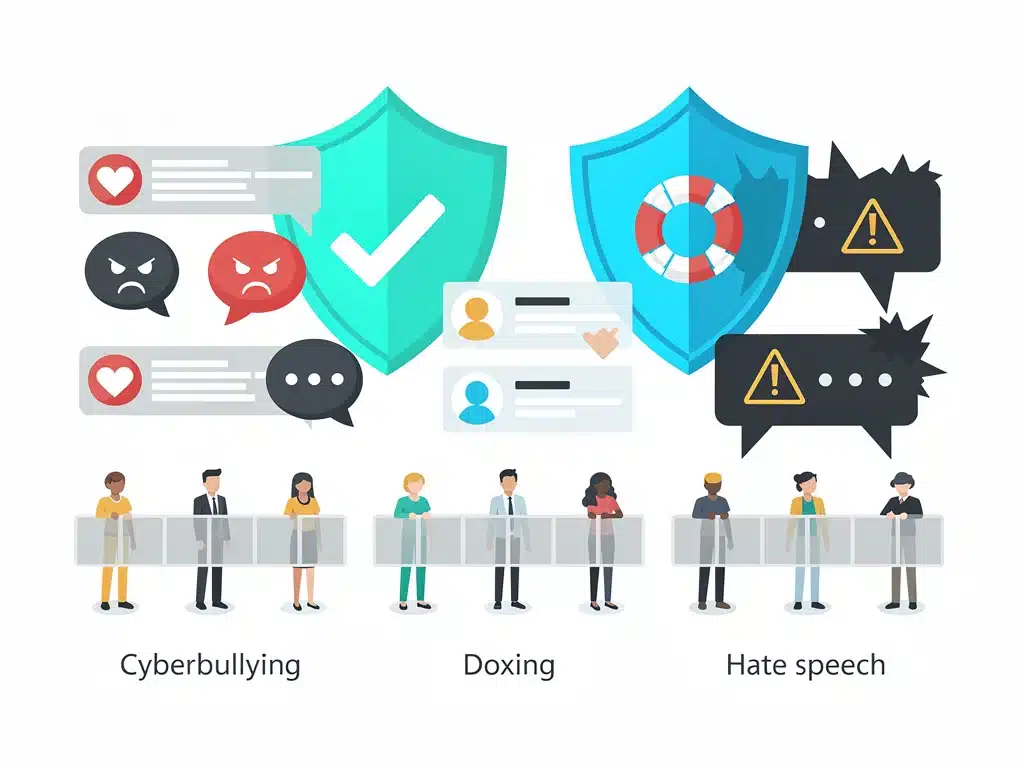
Ultimately, technology serves as an important complement to communication and education. When used judiciously and openly, it can significantly reduce the risk of online harassment and provide parents with peace of mind, knowing they have implemented practical safeguards for their children’s digital lives.
Pillar 4: Advocating for Stronger Platform Accountability and Policy
Individual parental efforts, while crucial, must be supported by broader systemic changes. The fourth pillar emphasizes the importance of advocating for stronger platform accountability and more robust policies to combat online harassment. Parents and communities have a powerful voice that can drive change at the industry and governmental levels, creating a safer internet for all.
This advocacy includes demanding greater transparency from social media companies regarding their content moderation policies, urging for quicker and more effective responses to reported harassment, and pushing for features that prioritize user safety over engagement metrics. It also involves supporting legislation that holds platforms accountable for the content shared on their sites and protects minors from online exploitation and abuse.
Areas for Advocacy and Policy Change
- Improved Reporting Systems: Platforms need clearer, more accessible, and responsive reporting mechanisms.
- Proactive Moderation: Investment in AI and human moderation to identify and remove harmful content before it spreads.
- Age Verification: More stringent and effective age verification processes to protect younger users.
Joining parent advocacy groups, participating in online safety initiatives, and contacting elected officials are all ways to contribute to this collective effort. The sheer scale of the internet means that individual actions, while important, can be amplified through collective advocacy. This pillar recognizes that protecting Gen Z is a shared responsibility, extending beyond the family unit.
By actively engaging in policy discussions and demanding better from technology companies, parents can help shape a future internet that is inherently safer and more ethical. This long-term vision for a more responsible digital ecosystem is essential for the sustained well-being of Gen Z and future generations.
Pillar 5: Responding to Harassment and Seeking Support
Despite all preventative measures, online harassment can still occur. The fifth and final pillar focuses on effective response strategies when harassment happens and knowing where to seek support. Equipping parents and Gen Z with a clear action plan is vital to mitigate harm and ensure a path to recovery.
The immediate response often involves documenting the harassment, blocking the perpetrator, and reporting the incident to the platform. However, the emotional and psychological impact requires a deeper level of support. Parents must be prepared to offer emotional comfort, validate their child’s experience, and, if necessary, seek professional help from therapists or counselors specializing in cyberbullying and trauma.
Steps for Responding to Online Harassment
- Document Everything: Screenshot conversations, save links, and record dates and times.
- Block and Report: Immediately block the harasser and report their account to the platform.
- Seek Emotional Support: Provide a safe space for the child to express their feelings and consider professional therapy.
It’s crucial to reassure the child that they are not to blame and that seeking help is a sign of strength. Parents should also be aware of legal options if the harassment escalates to threats, defamation, or other criminal activities. Consulting with law enforcement or legal professionals might be necessary in severe cases.
The recovery process from online harassment can be lengthy and challenging, requiring ongoing support and resilience-building. This pillar underscores the importance of a comprehensive support system, both within the family and from external resources, to help Gen Z navigate the aftermath of online abuse and emerge stronger.
| Key Protection Pillar | Brief Description |
|---|---|
| Open Communication | Build trust with Gen Z to encourage reporting online issues without fear. |
| Digital Boundaries & Education | Set clear online rules and teach digital literacy and privacy management. |
| Tech for Protection | Utilize parental controls and privacy settings effectively to monitor and filter. |
| Advocacy & Policy | Support stronger platform accountability and policies against online harassment. |
Frequently Asked Questions About Gen Z Online Safety
Digital citizenship for Gen Z refers to the responsible and ethical use of technology and the internet. It encompasses understanding rights and responsibilities online, practicing safe behaviors, and engaging respectfully with others in digital spaces. It’s about empowering them to be positive contributors to the online community while protecting themselves.
Parents can look for changes in behavior, such as withdrawal, anxiety, depression, or a sudden disinterest in online activities. Physical symptoms like sleep disturbances or headaches can also be indicators. Direct signs might include deleting social media accounts, reluctance to discuss online interactions, or secretive phone usage. Open communication is key to discovery.
Firstly, document all instances of harassment with screenshots and timestamps. Next, block the harasser on all platforms and report the abuse to the platform administrators. Most importantly, provide emotional support to your child and reassure them it’s not their fault. Consider seeking professional help if the emotional toll is significant.
Parental control apps can be effective tools for setting boundaries and monitoring content, but they are not a complete solution. They work best when used in conjunction with open communication and digital education. Their effectiveness depends on transparent usage and regular updates, combined with a child’s understanding of why these measures are in place.
Educate your child about the importance of privacy settings on all apps and platforms. Teach them to think before they share, emphasizing that once something is online, it’s difficult to remove. Discuss the risks of oversharing personal information and the concept of a digital footprint. Model good privacy practices yourself and review settings together regularly.
Conclusion
The journey of Navigating Digital Citizenship: New Guidelines for Parents to Protect Gen Z from Online Harassment by 2026 is multifaceted, demanding a blend of understanding, proactivity, and collaboration. As this article has explored, protecting Gen Z from the escalating threats of online harassment requires more than just reactive measures; it calls for a holistic approach centered on open communication, robust digital education, strategic use of technology, and persistent advocacy for systemic change. By consciously implementing these five pillars, parents can empower their children to become resilient, responsible, and safe digital citizens, equipped to thrive in an increasingly interconnected world. The future of Gen Z’s digital well-being rests on our collective commitment to these evolving guidelines.