Gen Z Media Consumption 2026: Streaming vs. Traditional
Advertisements
Gen Z’s media consumption in 2026 is overwhelmingly dominated by streaming platforms, overshadowing traditional media due to personalized content, on-demand accessibility, and community engagement, profoundly reshaping the future of entertainment and information.
Understanding Gen Z’s Media Consumption: A 2026 Analysis of Streaming vs. Traditional reveals a landscape dramatically reshaped by digital innovation and evolving preferences. This generation, often called digital natives, approaches media with an inherent expectation of personalization, interactivity, and instant access. How do these expectations manifest in their choices between ubiquitous streaming services and the enduring, albeit diminished, presence of traditional media?
the digital native advantage: Gen Z’s foundational media habits
Gen Z, born roughly between 1997 and 2012, has never known a world without the internet. This fundamental difference profoundly shapes their media consumption habits. They navigate digital spaces with an intuitive ease that older generations often find challenging, leading to a distinct preference for platforms that offer immediate gratification and tailored experiences.
Their foundational media habits are rooted in connectivity. From early childhood, they’ve had access to a vast array of content at their fingertips, fostering an expectation of choice and control. This has made them less receptive to linear programming and more inclined towards on-demand services.
the primacy of personalization and on-demand access
- Personalized Algorithms: Gen Z expects content recommendations specifically curated to their tastes, often driven by sophisticated algorithms.
- On-Demand Availability: The ability to watch, listen, or read anything, anytime, anywhere, is a non-negotiable for this generation.
- Device Agnosticism: Content must be seamlessly accessible across smartphones, tablets, laptops, and smart TVs, reflecting their multi-device lifestyle.
The concept of waiting for a specific show to air or for news to break at a scheduled time feels alien to many in Gen Z. Their media world is one where they are the programmers, dictating what they consume and when. This autonomy is a significant driver behind their choices, contrasting sharply with the passive consumption often associated with traditional media.
In essence, Gen Z’s media habits are a direct reflection of their upbringing in a digitally saturated world. Their comfort with technology translates into a demand for media that is flexible, personal, and always available, setting a clear trajectory for future media trends.
streaming’s dominance: the undisputed king for gen Z in 2026
By 2026, streaming platforms have solidified their position as the primary media consumption channel for Gen Z. This dominance isn’t merely about access; it’s about the entire ecosystem of content, community, and customizable experiences that streaming offers. From video-on-demand to music streaming and live-streamed events, these platforms cater directly to Gen Z’s core desires.
The sheer variety of content available on streaming services is a major draw. Unlike traditional broadcasters with limited schedules and channel offerings, streaming provides an almost infinite library of movies, series, documentaries, and user-generated content. This breadth ensures that every niche interest is catered to, fostering a sense of belonging and discovery.
the allure of diverse content and interactive experiences
- Vast Content Libraries: Access to an unparalleled volume of films, TV shows, and original programming from global creators.
- User-Generated Content (UGC): Platforms like YouTube and TikTok thrive on content created by peers, fostering authenticity and relatability.
- Interactive Features: Live chats, polls, and direct engagement with creators enhance the viewing experience, making it more dynamic.
Beyond passive viewing, streaming platforms facilitate active participation. Gen Z doesn’t just watch; they engage. They comment, share, remix, and create, transforming media consumption into a two-way street. This interactive element is largely absent from traditional media, which often positions the audience as mere recipients.
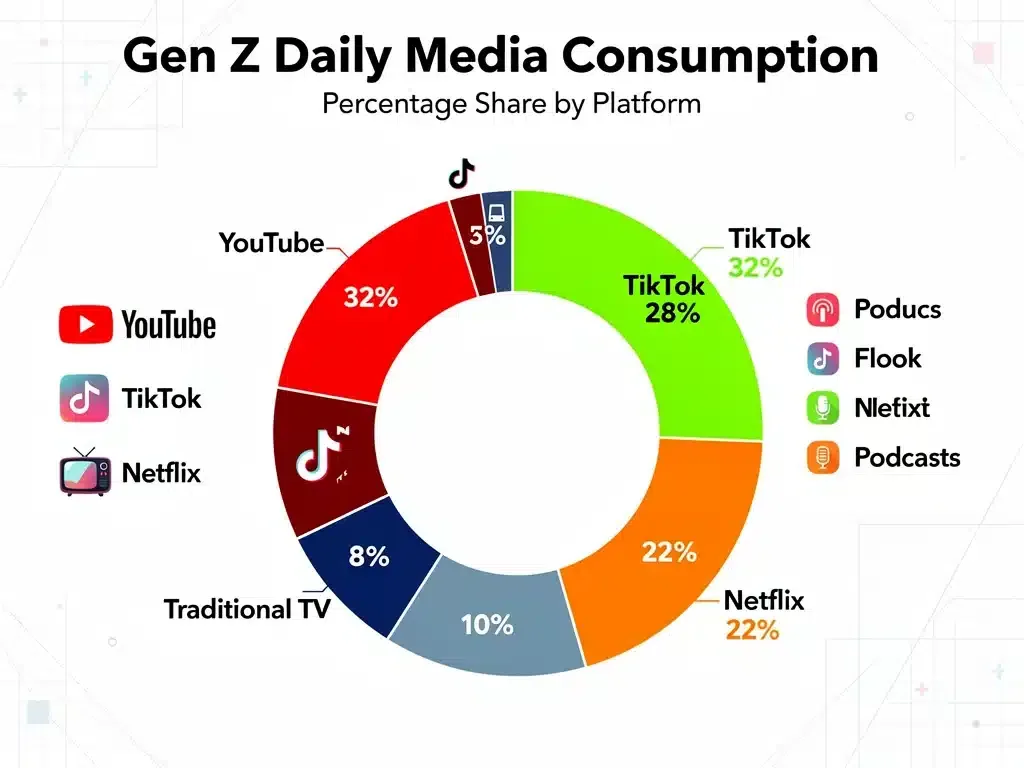
The economic model of streaming also appeals to Gen Z. While some services require subscriptions, many popular platforms offer free access supported by advertising, or hybrid models that provide more flexibility than traditional cable packages. This cost-effectiveness, combined with the perception of greater value, further entrenches streaming’s lead.
Ultimately, streaming’s triumph among Gen Z by 2026 is a testament to its ability to adapt, innovate, and meet the unique demands of a generation that values choice, community, and digital fluency above all else.
the fading echoes: traditional media’s struggle for relevance
Traditional media, encompassing terrestrial television, radio, newspapers, and magazines, finds itself in a precarious position when vying for Gen Z’s attention in 2026. While not entirely obsolete, its influence has significantly waned, relegated to niche roles or specific contexts. The linear, scheduled nature of traditional broadcasts clashes directly with Gen Z’s preference for on-demand content.
The decline is not uniform; certain aspects of traditional media retain some appeal, though often through digital adaptations. For instance, while physical newspapers struggle, their online counterparts or news aggregators might still be accessed by Gen Z for specific information. However, the primary mode of access has shifted dramatically.
challenges faced by traditional media
- Lack of Personalization: Generic programming struggles to compete with algorithms that know individual preferences.
- Scheduled Broadcasting: Fixed schedules are incompatible with Gen Z’s flexible lifestyles and on-demand expectations.
- Limited Interactivity: The one-way communication model offers little opportunity for engagement or community building.
The concept of appointment viewing, once a cornerstone of media consumption, holds little sway. Gen Z is accustomed to consuming content on their own terms, making the rigidity of traditional TV schedules a significant barrier. Moreover, the advertising models of traditional media, often featuring lengthy and frequent commercial breaks, are perceived as disruptive and intrusive compared to the often less frequent or skippable ads on streaming platforms.
Radio, too, faces an uphill battle against personalized music streaming services and podcasts. While some Gen Z individuals may tune into local radio for news or specific shows, the overall trend points towards curated audio experiences. The challenge for traditional media is to either innovate drastically or accept a diminished, supplementary role in the media diets of younger generations.
social media as a primary content hub for gen Z
For Gen Z, social media platforms are not just for connecting with friends; they are integral content hubs. In 2026, platforms like TikTok, Instagram, and YouTube serve as primary sources for news, entertainment, education, and cultural trends. The blend of user-generated content, influencer marketing, and short-form video has created an ecosystem uniquely tailored to their consumption patterns.
The immediacy and virality of social media content mean that trends emerge and evolve at an unprecedented pace. Gen Z is often at the forefront of these trends, both as consumers and creators. This active participation further blurs the lines between media consumption and social interaction, making these platforms indispensable.
key characteristics of social media consumption
- Short-Form Video Dominance: Quick, digestible content formats capture fleeting attention spans effectively.
- Influencer-Driven Content: Trust in peer recommendations and authentic voices over traditional advertising.
- Community and Interaction: Social media fosters direct engagement, discussion, and content sharing among users.
News consumption, in particular, has undergone a radical transformation. Instead of tuning into traditional newscasts, Gen Z often receives their information through curated feeds, short video summaries, and analyses from trusted influencers. While this raises concerns about information accuracy and depth, it undeniably reflects their preferred method of staying informed.
Furthermore, social media serves as a discovery engine for other forms of media. A viral clip from a new streaming series on TikTok can drive significant viewership to that platform. A snippet of a song on Instagram Reels can lead to millions of streams on Spotify. In this way, social media acts as a powerful gateway, amplifying and directing Gen Z’s media choices.
The continuous evolution of social media platforms, with new features and content formats constantly being introduced, ensures their continued relevance and central role in Gen Z’s media landscape.
the hybrid approach: how gen Z blends media sources
While streaming and social media dominate, Gen Z’s media consumption is not entirely monolithic. A significant characteristic is their ability to fluidly blend various media sources, creating a personalized and often complex media diet. They might stream a new series on Netflix, then discuss it on a Discord server, catch up on news via TikTok, and listen to a podcast during their commute.
This hybrid approach reflects their adaptability and their desire to optimize their information and entertainment intake. They are adept at toggling between platforms and formats, extracting value from each based on their immediate needs and preferences. It’s less about exclusive loyalty to one type of media and more about strategic selection.
examples of media blending
- News Aggregation: Using social media for headlines, then consulting online news sites for deeper dives.
- Entertainment Multitasking: Watching a streaming show while simultaneously engaging in a related online discussion or gaming.
- Audio-Visual Synergy: Discovering music on TikTok, then listening to full tracks on Spotify or watching music videos on YouTube.
Podcasts, for instance, have seen a resurgence in popularity, particularly among Gen Z. These on-demand audio programs offer in-depth discussions, storytelling, and expert analysis, providing a contrast to the often superficial nature of short-form video. They complement visual media, allowing for consumption during activities where screens are impractical, such as exercising or driving.
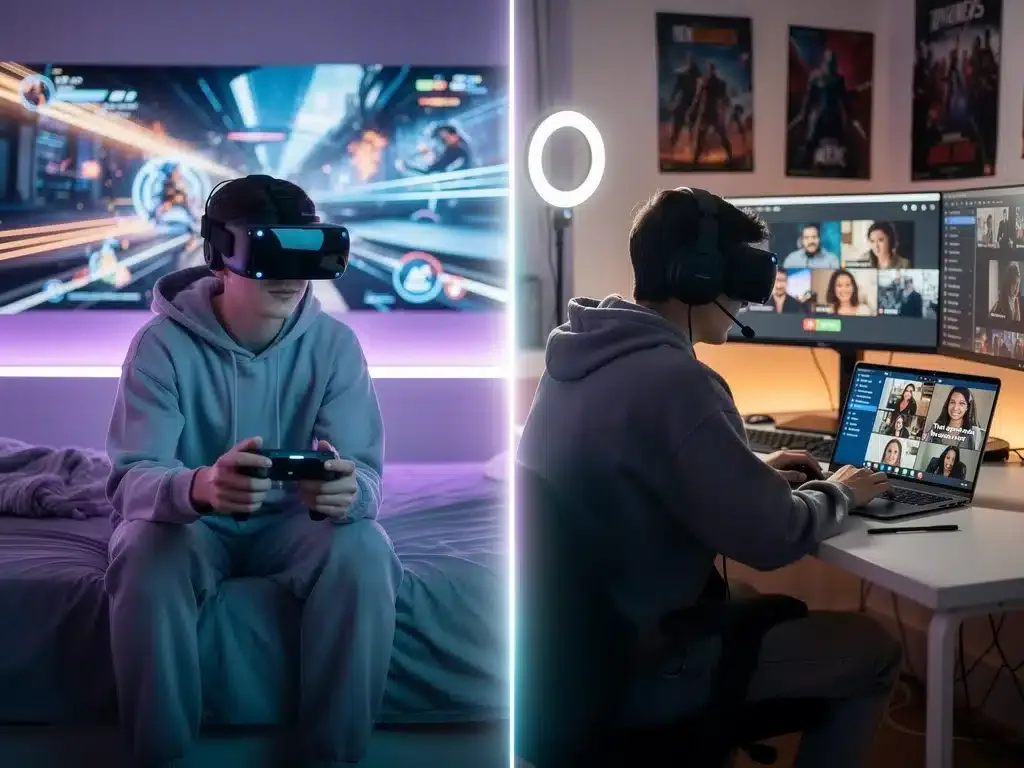
Even traditional media, in its digitized forms, can find a place within this hybrid model. A Gen Z individual might not own a physical newspaper, but they might follow a reputable news organization’s Instagram account or subscribe to their email newsletter. The key is that the media must meet them where they are: in the digital realm, on their preferred platforms, and on their terms.
This seamless integration of diverse media types underscores Gen Z’s sophisticated approach to information and entertainment, highlighting a dynamic and evolving media ecosystem.
implications for content creators and marketers in 2026
The distinct media consumption patterns of Gen Z carry significant implications for anyone involved in content creation, marketing, and media strategy. Understanding these nuances is no longer optional; it’s critical for achieving relevance and engagement. The old playbooks for reaching young audiences are largely obsolete, replaced by new rules centered on authenticity, digital fluency, and community.
Content creators must prioritize platforms where Gen Z spends their time, focusing on formats that resonate, such as short-form video, live streams, and interactive experiences. Authenticity trumps polish; Gen Z values realness and relatability over highly produced, corporate messaging.
strategies for effective engagement
- Platform-Specific Content: Tailoring content to the unique features and audience expectations of each platform (e.g., TikTok vs. YouTube).
- Influencer Collaborations: Partnering with authentic voices that resonate with Gen Z for organic reach and trust.
- Interactive and Experiential Marketing: Creating opportunities for active participation, co-creation, and immersive experiences.
For marketers, the shift means moving beyond traditional advertising placements. Native advertising, sponsored content that blends seamlessly with platform feeds, and collaborations with influencers are far more effective. Brands must speak Gen Z’s language, understand their values, and contribute meaningfully to their online communities, rather than simply broadcasting messages.
Furthermore, the rapid pace of digital trends requires agility. What’s popular today might be old news tomorrow. Content strategies must be flexible, allowing for quick adaptation to new platforms, features, and cultural shifts. Measuring engagement through metrics like shares, comments, and saves becomes more indicative than traditional viewership numbers.
Ultimately, success in reaching Gen Z in 2026 hinges on a deep understanding of their digital habitat, their values, and their expectation for media that is personal, interactive, and always on their terms.
the future trajectory: evolving media landscapes beyond 2026
Looking beyond 2026, the media landscape will continue its rapid evolution, driven largely by Gen Z’s preferences and technological advancements. The trends observed today are merely precursors to even more immersive, personalized, and decentralized media experiences. We can anticipate further integration of artificial intelligence, virtual reality, and augmented reality into daily media consumption.
AI will likely play an even greater role in content curation and creation, offering hyper-personalized feeds and even generating bespoke content based on individual user profiles. This could lead to an unprecedented level of media tailored to micro-preferences, further challenging broad-appeal traditional media.
emerging media technologies and trends
- Immersive Experiences: VR and AR technologies will offer new ways to consume entertainment, education, and social interactions.
- AI-Driven Personalization: Algorithms will become even more sophisticated, predicting content preferences with uncanny accuracy.
- Decentralized Content: The rise of web3 and blockchain technologies could empower creators and consumers with more control over content distribution and monetization.
The metaverse, in its various forms, represents another frontier. As virtual spaces become more sophisticated and interconnected, Gen Z will likely spend increasing amounts of time consuming media, attending events, and socializing within these immersive environments. This will require content creators to think in three dimensions, designing experiences rather than just linear narratives.
Traditional media, if it is to survive and thrive, will need to embrace these changes, not just by digitizing existing content, but by fundamentally rethinking its role and delivery. Partnerships with tech companies, investment in new formats, and a willingness to experiment will be crucial. The focus will remain on delivering value, whether through unique content, community building, or innovative user experiences.
The media landscape of the future will be defined by its fluidity and adaptability, with Gen Z remaining a powerful force shaping its direction.
| Key Point | Brief Description |
|---|---|
| Streaming Dominance | Streaming platforms are Gen Z’s primary media source due to personalization, on-demand access, and vast content libraries. |
| Traditional Media Decline | Traditional media struggles with fixed schedules and lack of interactivity, losing relevance for Gen Z. |
| Social Media Hub | Social media acts as a central content hub for news, entertainment, and cultural trends, driven by UGC and influencers. |
| Hybrid Consumption | Gen Z fluidly blends various media sources, optimizing their intake based on needs and device availability. |
Frequently Asked Questions About Gen Z Media Habits
Why does Gen Z prefer streaming over traditional TV?▼Gen Z prefers streaming due to its on-demand nature, vast personalized content libraries, and seamless accessibility across multiple devices. Traditional TV’s fixed schedules and limited interactivity do not align with their digital-native expectations.
How do social media platforms impact Gen Z’s media consumption?▼Social media platforms like TikTok and YouTube serve as primary content hubs for Gen Z, offering news, entertainment, and education through short-form video and influencer content. They foster community and interactive engagement.
Is traditional radio still relevant for Gen Z?▼Traditional radio’s relevance for Gen Z has significantly diminished, largely replaced by personalized music streaming and podcasts. While some may tune in for local news, on-demand audio experiences are overwhelmingly preferred.
What role does personalization play in Gen Z’s media choices?▼Personalization is crucial for Gen Z, who expect content recommendations tailored to their individual tastes, driven by sophisticated algorithms. This desire for curated experiences heavily influences their platform and content selections.
How can marketers effectively reach Gen Z in 2026?▼Marketers can reach Gen Z by focusing on authenticity, platform-specific content, and influencer collaborations. Engaging through interactive experiences and contributing meaningfully to online communities are key strategies for this generation.
Conclusion
The 2026 analysis of Understanding Gen Z’s Media Consumption: A 2026 Analysis of Streaming vs. Traditional undeniably paints a clear picture: streaming and digital platforms have irrevocably altered how this generation interacts with media. Their preference for personalized, on-demand, and interactive content has pushed traditional media to the periphery, forcing a fundamental rethink across the industry. As technology continues to advance, fostering even more immersive and tailored experiences, Gen Z will remain the driving force behind the evolving media landscape, necessitating constant adaptation from content creators, marketers, and educators alike to stay relevant and effectively engage with this digitally fluent demographic.