Social Media Algorithms & Gen Z: Political Polarization 2026
Advertisements
By 2026, social media algorithms significantly intensified political polarization among Gen Z, creating echo chambers and hindering nuanced discourse. Understanding these mechanisms is crucial for developing solutions that promote media literacy and critical engagement among young digital natives.
The digital landscape of 2026 has profoundly shaped how Generation Z engages with political discourse, with social media algorithms playing a pivotal role in Gen Z political polarization. This generation, born into an always-online world, relies heavily on platforms like TikTok, Instagram, and X (formerly Twitter) for news and information. However, the personalized feeds curated by advanced algorithms, designed to maximize engagement, have inadvertently fostered environments where diverse perspectives are often absent, leading to increasingly entrenched viewpoints and a deepening political divide. Understanding this intricate relationship is not just an academic exercise; it’s a critical step toward fostering a more informed, empathetic, and constructively engaged citizenry.
the algorithmic architecture of political polarization
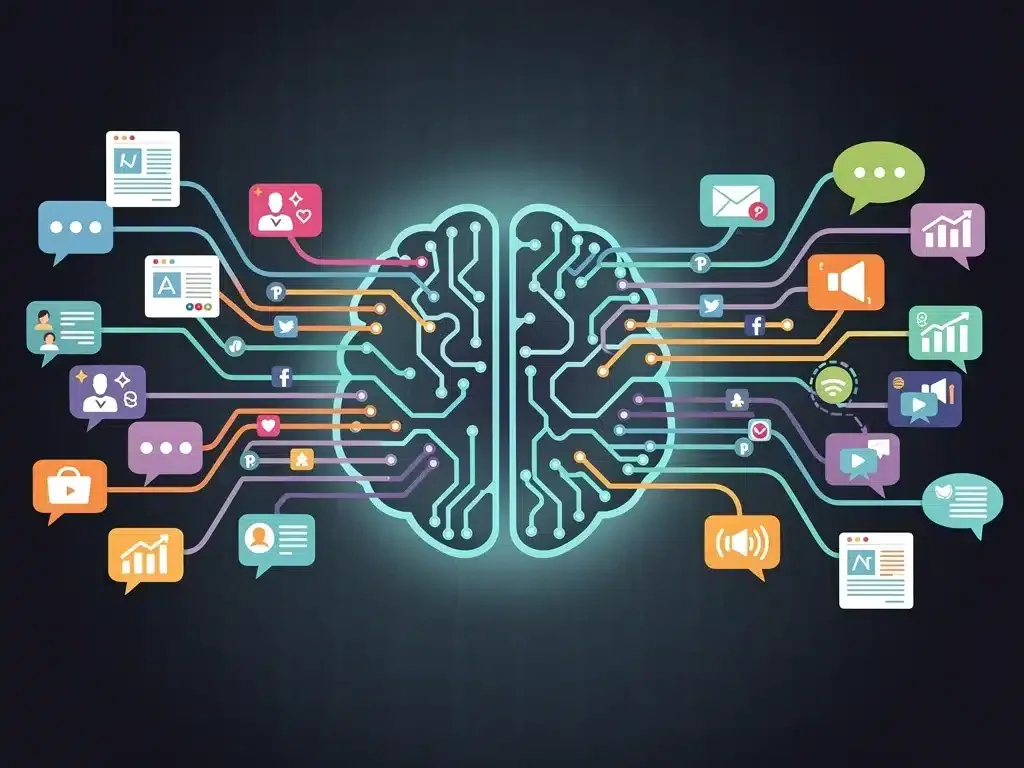
Social media algorithms are sophisticated systems designed to predict user preferences and deliver content most likely to keep them engaged. While seemingly innocuous, this core function has significant implications for political discourse, particularly among younger demographics like Gen Z. The drive for engagement often prioritizes sensationalism and emotionally charged content, which can exacerbate existing ideological divides.
These algorithms learn from every click, like, share, and comment, creating increasingly refined profiles of individual users. This data then dictates what content appears in their feeds, often leading to a phenomenon known as algorithmic amplification, where certain viewpoints are continuously reinforced. For Gen Z, who have grown up with these systems, distinguishing between algorithmically curated content and a genuinely diverse information landscape can be challenging.
how echo chambers form
- Homophily: Users naturally gravitate towards content and connections that align with their existing beliefs, a tendency algorithms readily exploit.
- Filter Bubbles: Algorithms create personalized experiences by filtering out information that contradicts a user’s perceived preferences, isolating them from opposing viewpoints.
- Engagement Metrics: Content that generates strong emotional responses, regardless of its factual accuracy or nuance, often receives preferential treatment, leading to a proliferation of divisive narratives.
The consequence is a digital environment where Gen Z members are often exposed primarily to information that confirms their biases, making it difficult to understand or empathize with alternative political perspectives. This constant reinforcement can solidify beliefs and make it harder for individuals to engage in constructive dialogue with those holding different views.
gen Z’s digital native identity and political engagement
Generation Z is the first truly digital-native generation, having never known a world without the internet or social media. This inherent connection to digital platforms profoundly influences their political identities and how they choose to engage with the political sphere. Unlike previous generations, their initial exposure to political discourse is often through short-form videos, memes, and influencer content, rather than traditional news outlets.
Their political awakening is largely mediated by social media, where activism can take the form of sharing a post, signing an online petition, or engaging in viral challenges. While this fosters accessibility to political participation, it also means their understanding of complex issues can be fragmented and heavily influenced by the narratives amplified by algorithms. The speed and virality of information, often without rigorous fact-checking, add another layer of complexity to their political development.
the allure of micro-influencers and viral trends
- Authenticity Perception: Gen Z often trusts micro-influencers more than traditional media figures, viewing them as more authentic and relatable.
- “Snackable” Content: Complex political topics are frequently distilled into short, easily digestible formats, which can oversimplify nuanced issues and promote black-and-white thinking.
- Identity Expression: Political stances become intertwined with personal identity and social group affiliation, making it harder to disengage from emotionally charged debates.
This digital-native identity means that their political engagement is deeply intertwined with their online presence. The pressure to conform to group norms within their digital communities can further reinforce polarized views, as expressing dissenting opinions might lead to social ostracization or a loss of online status. The personalized nature of social media, coupled with the inherent desire for belonging, creates potent conditions for algorithmic influence on political beliefs.
the psychological toll of constant exposure to polarized content
Beyond shaping political views, the relentless exposure to algorithmically amplified, often divisive, political content can have significant psychological impacts on Gen Z. This constant barrage of information, frequently presented in an inflammatory manner, can contribute to heightened anxiety, stress, and even feelings of hopelessness regarding the political future. The digital world often blurs the lines between public and private, making it difficult for young people to escape the political noise.
The performative aspect of online activism can also create pressure, leading to feelings of inadequacy or guilt if they are not constantly engaged or vocal about every issue. This can be particularly taxing for a generation already facing significant mental health challenges. The echo chambers, while providing a sense of community, can also foster a false sense of consensus, making real-world political interactions more jarring and confrontational.

Moreover, the dopamine-driven feedback loops of social media can make it addictive to consume emotionally gratifying content, even if it contributes to negative emotional states in the long run. The reward of a like or a share can reinforce the behavior of engaging with or sharing polarized content, creating a self-perpetuating cycle.
mental health implications
- Increased Anxiety: Constant exposure to conflict and negativity can elevate general anxiety levels.
- Cognitive Dissonance: Encountering opposing views outside the echo chamber can cause significant psychological discomfort.
- Burnout: The pressure to be constantly informed and engaged politically can lead to emotional exhaustion and disengagement.
The psychological toll extends to their ability to engage in civil discourse. When every interaction feels like a battle to be won rather than a conversation to be had, the skills for respectful disagreement and compromise can erode. This makes it harder for Gen Z to participate effectively in democratic processes that require bridging divides and finding common ground.
media literacy as a crucial countermeasure
One of the most promising solutions to combat the negative impacts of social media algorithms on Gen Z’s political polarization is a robust emphasis on media literacy. Empowering young people with the skills to critically evaluate information, understand algorithmic biases, and identify misinformation is paramount. This isn’t just about teaching them to spot fake news; it’s about cultivating a deeper understanding of how digital platforms operate and influence perceptions.
Media literacy education needs to be integrated into curricula from an early age, equipping students with practical tools and strategies. It should move beyond theoretical concepts and involve hands-on exercises that demonstrate the power of algorithms and the subtle ways they can manipulate information flow. This includes teaching them to question sources, recognize logical fallacies, and understand the difference between opinion and fact.
components of effective media literacy
- Source Evaluation: Teaching how to assess the credibility, bias, and purpose of information sources.
- Algorithmic Awareness: Educating about how algorithms work, their goals, and their potential impact on content consumption.
- Fact-Checking Skills: Providing practical methods for verifying information and cross-referencing multiple sources.
By developing strong media literacy skills, Gen Z can become more resilient to the polarizing effects of algorithms. They can learn to actively seek out diverse perspectives, engage with content more thoughtfully, and resist the urge to immediately accept or share information without critical consideration. This proactive approach transforms them from passive consumers into active, discerning participants in the digital information ecosystem.
platform responsibility and regulatory considerations
While individual media literacy is vital, the responsibility for mitigating algorithmic polarization cannot rest solely on users. Social media platforms themselves have a significant role to play in redesigning their systems to prioritize user well-being and democratic discourse over pure engagement metrics. This involves a critical re-evaluation of their algorithmic design and a commitment to transparency.
Regulatory bodies also have a role in exploring policies that encourage or mandate more ethical algorithmic practices. This could include requirements for greater transparency regarding how algorithms operate, independent audits of their impact, and even incentives for platforms that promote diverse content and reduce the amplification of harmful or divisive narratives. Striking a balance between innovation and public good is a complex challenge, but one that is increasingly necessary.
potential interventions and policies
- Algorithmic Transparency: Platforms could disclose more about how their recommendation systems work, allowing researchers and users to understand their influence.
- Content Moderation Enhancements: Improving systems to identify and de-amplify harmful misinformation and hate speech, regardless of engagement.
- User Controls: Giving users more granular control over their algorithmic feeds, allowing them to explicitly seek diverse viewpoints or reduce exposure to certain topics.
These measures are not without their challenges, including concerns about free speech and the practicalities of implementation. However, the escalating risks of political polarization demand serious consideration of how platforms can evolve to become more beneficial, rather than detrimental, to civil society and democratic health. Collaboration between platforms, policymakers, and civil society organizations will be key to developing effective and equitable solutions.
fostering cross-ideological dialogue and empathy
Beyond addressing algorithmic issues and promoting media literacy, actively fostering environments that encourage cross-ideological dialogue and empathy is crucial for counteracting political polarization among Gen Z. When individuals are constantly within their own echo chambers, they lose the ability to engage respectfully with differing viewpoints, leading to increased animosity and misunderstanding.
Educational institutions, community organizations, and even families can play a role in creating spaces where young people can safely discuss contentious issues with those who hold different perspectives. This isn’t about changing minds, but about building bridges of understanding and recognizing shared humanity despite political disagreements. Practical skills in active listening, respectful debate, and conflict resolution are invaluable.
strategies for constructive engagement
- Structured Debates: Organizing forums where students or community members can engage in respectful, moderated discussions on political topics.
- Perspective-Taking Exercises: Encouraging activities that require individuals to articulate arguments from an opposing viewpoint.
- Common Ground Initiatives: Focusing on shared values or local issues that transcend partisan divides, fostering collaboration.
These initiatives help Gen Z develop the social and emotional intelligence needed to navigate a complex political landscape. By experiencing firsthand that people with different views are not necessarily enemies, but often individuals with valid concerns and motivations, they can begin to break down the psychological barriers erected by algorithmic polarization. This human-centered approach complements technological and educational solutions, offering a holistic path forward.
| Key Point | Brief Description |
|---|---|
| Algorithmic Amplification | Social media algorithms prioritize engaging content, often leading to echo chambers and reinforcing existing political biases among Gen Z. |
| Gen Z’s Digital Native Identity | This generation’s reliance on social media for news and political engagement makes them highly susceptible to algorithmic influence and viral content. |
| Psychological Toll | Constant exposure to polarized content can increase anxiety, stress, and hinder the development of civil discourse skills in young people. |
| Solutions: Literacy & Dialogue | Key solutions involve enhancing media literacy, promoting platform responsibility, and fostering cross-ideological dialogue to bridge divides. |
Frequently Asked Questions about Gen Z and Political Polarization
What are social media algorithms and how do they affect Gen Z’s political views?▼Social media algorithms are systems that personalize user feeds based on past interactions, aiming for maximum engagement. For Gen Z, this often creates echo chambers, exposing them primarily to content that reinforces existing political beliefs, thus deepening polarization and limiting exposure to diverse perspectives.
Why is Gen Z particularly susceptible to algorithmic political polarization?▼As digital natives, Gen Z primarily consumes news and engages politically through social media. Their reliance on platforms that prioritize viral, emotionally charged content and their tendency to trust relatable micro-influencers make them highly vulnerable to algorithmic biases and the formation of insular political viewpoints.
What are the psychological consequences of constant exposure to polarized content for Gen Z?▼Continuous exposure to divisive political content can lead to increased anxiety, stress, and emotional burnout. It can also hinder the development of critical thinking and empathy, making it harder for Gen Z individuals to engage in constructive dialogue or understand opposing viewpoints.
How can media literacy help combat algorithmic political polarization?▼Media literacy equips Gen Z with essential skills to critically evaluate information, identify algorithmic biases, and discern misinformation. By understanding how digital platforms operate and learning to cross-reference sources, they can actively resist echo chambers and form more nuanced, independent political opinions.
What role do social media platforms and regulators have in addressing this issue?▼Platforms should redesign algorithms to prioritize diverse content and well-being over sheer engagement, enhancing transparency and user controls. Regulators can implement policies for algorithmic accountability and independent audits, fostering a digital environment less prone to political polarization.
conclusion
The intricate dance between social media algorithms and Gen Z’s political engagement has, by 2026, undeniably intensified political polarization. The creation of echo chambers, the amplification of emotionally charged content, and the psychological toll of constant digital exposure present significant challenges to democratic discourse and youth development. However, the path forward is not one of despair but of proactive intervention. By prioritizing comprehensive media literacy education, holding social media platforms accountable for their algorithmic designs, and actively fostering real-world opportunities for cross-ideological dialogue and empathy, we can empower Gen Z to navigate the digital landscape more critically and constructively. This holistic approach is essential to cultivate a generation capable of nuanced thought, civil engagement, and ultimately, a more cohesive future.