Early Intervention Strategies: Fostering Gen Z Resilience by 2026
Advertisements

Data-backed early intervention strategies are crucial for fostering resilience in Generation Z by 2026, with approaches focusing on socio-emotional learning, mindfulness, and community engagement showing significant promise for youth development.
As we navigate an increasingly complex world, understanding and implementing effective Gen Z resilience strategies becomes paramount for the well-being of our youth. This generation, often characterized by its digital fluency and heightened social awareness, faces unique pressures that necessitate proactive support. Our exploration delves into data-backed early intervention strategies, offering a comparative analysis of three pivotal approaches aimed at fostering resilience in Gen Z by 2026.
Understanding the Gen Z Landscape and Resilience Imperative
Generation Z, broadly defined as individuals born between the mid-1990s and early 2010s, has grown up in an era of unprecedented technological advancement, global connectivity, and significant societal shifts. This unique upbringing has shaped their perspectives, values, and challenges, making the development of robust resilience more critical than ever. We must acknowledge the pervasive influence of digital platforms and constant information flow on their mental health and social development.
The imperative to foster resilience in this demographic stems from alarming trends in mental health. Studies consistently show higher rates of anxiety, depression, and stress among Gen Z compared to previous generations. Factors such as academic pressure, social media comparison, climate anxiety, and economic uncertainties contribute to this vulnerability. Early intervention is not merely beneficial; it is a fundamental requirement to equip them with the coping mechanisms necessary for thriving in adulthood.
Defining Resilience for Gen Z
Resilience, in this context, extends beyond merely ‘bouncing back’ from adversity. For Gen Z, it encompasses a dynamic process of adapting positively to challenging life circumstances, maintaining mental well-being, and developing socio-emotional competencies. This includes:
- Emotional regulation and self-awareness.
- Problem-solving skills and critical thinking.
- Strong social connections and support networks.
- A sense of purpose and agency.
These components are interconnected, forming a holistic framework for personal growth and adaptability. Understanding these facets is crucial for designing interventions that truly resonate with their experiences and address their specific needs.
Ultimately, fostering resilience in Gen Z is an investment in their future and the future of society. By equipping them with the tools to navigate challenges, we empower them to become adaptable, empathetic, and engaged citizens. The strategies we explore aim to build these foundational strengths from an early age, ensuring they are prepared for the complexities of modern life.
Approach 1: Socio-Emotional Learning (SEL) Programs in Educational Settings
One of the most widely recognized and evidence-based approaches to fostering resilience in young people is through comprehensive Socio-Emotional Learning (SEL) programs integrated into educational curricula. SEL focuses on developing core competencies that enable individuals to understand and manage emotions, set and achieve positive goals, feel and show empathy for others, establish and maintain positive relationships, and make responsible decisions. These skills are fundamental building blocks for resilience, providing students with the internal resources to navigate social and academic challenges effectively.
The implementation of SEL in schools offers a systemic approach to skill development, reaching a broad spectrum of students regardless of their individual backgrounds or prior experiences. By embedding these lessons into daily routines, educators can create a supportive learning environment where emotional intelligence is valued alongside academic achievement. This integration helps normalize discussions around feelings and coping mechanisms, reducing stigma often associated with mental health struggles.
Key Components of Effective SEL Programs
Effective SEL programs typically include a variety of components designed to address different aspects of socio-emotional development. These are not one-off lessons but rather ongoing, developmentally appropriate instruction. Research by organizations like CASEL (Collaborative for Academic, Social, and Emotional Learning) highlights five core competencies:
- Self-Awareness: Recognizing one’s own emotions, strengths, limitations, and values.
- Self-Management: Regulating emotions, managing stress, controlling impulses, and setting goals.
- Social Awareness: Understanding and empathizing with others, appreciating diversity.
- Relationship Skills: Communicating effectively, building healthy relationships, resolving conflicts.
- Responsible Decision-Making: Considering ethical standards, safety concerns, and social norms to make constructive choices.
These competencies are taught through various methods, including direct instruction, cooperative learning, role-playing, and reflective practices. The goal is to make these skills intuitive, allowing students to apply them naturally in different contexts, both within and outside the school environment.
Data consistently supports the efficacy of SEL programs. Studies indicate that students participating in SEL programs show improved academic performance, better classroom behavior, reduced emotional distress, and stronger positive relationships. A meta-analysis of over 200 studies found that SEL programs led to an 11-percentile-point gain in academic achievement. Furthermore, the long-term benefits extend into adulthood, with participants exhibiting better mental health outcomes and higher rates of employment.
While SEL programs show immense promise, their success hinges on several factors, including consistent implementation, adequate teacher training, and strong administrative support. The curriculum must be culturally relevant and responsive to the diverse needs of the student population. When executed effectively, SEL interventions serve as powerful Gen Z resilience strategies, equipping young people with essential life skills for a resilient future.
Approach 2: Mindfulness and Stress Reduction Techniques
In an age where constant digital stimulation and societal pressures can lead to heightened stress and anxiety, mindfulness and stress reduction techniques represent a crucial early intervention strategy for Gen Z. These practices aim to cultivate present-moment awareness, improve emotional regulation, and reduce the physiological and psychological impact of stress. By teaching young people how to observe their thoughts and feelings without judgment, mindfulness provides a powerful tool for managing internal experiences and responding to external stressors more effectively.
Mindfulness-based interventions are increasingly being adopted in schools, clinics, and community programs, offering practical skills that Gen Z can integrate into their daily lives. These techniques are particularly relevant for a generation that often grapples with information overload and the pressure to constantly perform. Learning to pause, breathe, and focus can significantly enhance their capacity for self-regulation and emotional balance, contributing directly to their overall resilience.
Benefits of Mindfulness for Gen Z
The benefits of mindfulness extend beyond mere stress reduction. For Gen Z, these practices can foster a range of positive outcomes that directly enhance resilience:
- Improved Emotional Regulation: Mindfulness helps individuals identify and manage intense emotions, preventing impulsive reactions.
- Enhanced Focus and Attention: Regular practice can improve concentration, beneficial for academic performance and daily tasks.
- Reduced Anxiety and Depression: Numerous studies link mindfulness to a decrease in symptoms of common mental health conditions.
- Greater Self-Compassion: By observing thoughts without judgment, young people can develop a kinder, more accepting attitude towards themselves.
- Better Sleep Quality: Mindfulness techniques can aid in calming the mind before sleep, addressing a common issue among Gen Z.
These benefits collectively contribute to a stronger internal foundation, enabling Gen Z to face challenges with greater equanimity and adaptability. Integrating these practices early in life can create lasting positive habits.
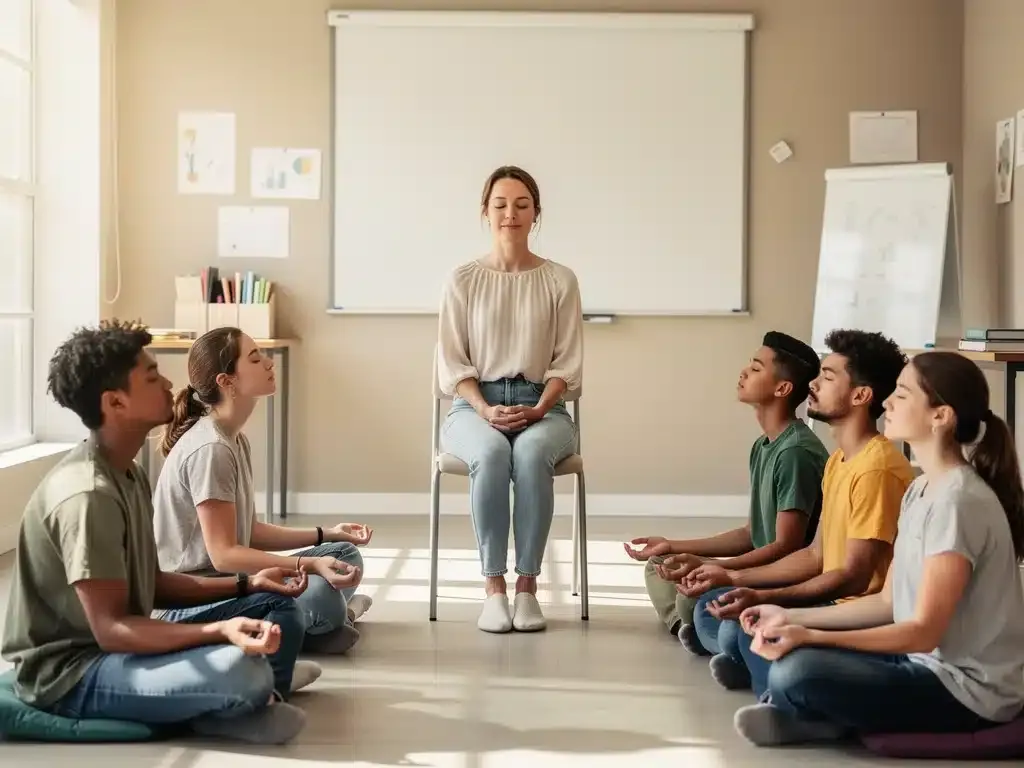
Evidence supporting mindfulness interventions is growing rapidly. A study published in the Journal of Child and Family Studies found that school-based mindfulness programs significantly reduced stress and improved emotional regulation in adolescents. Another review highlighted that mindfulness training can lead to improvements in attention, self-control, and compassion among youth. These findings underscore the potential of such programs as vital Gen Z resilience strategies.
However, successful implementation requires skilled facilitators and a supportive environment. Training for educators and mental health professionals on how to teach mindfulness effectively is crucial. Furthermore, customizing programs to be engaging and relevant to the specific experiences of Gen Z can maximize their impact. When thoughtfully introduced, mindfulness and stress reduction techniques empower young people with invaluable tools for lifelong well-being and resilience.
Approach 3: Community-Based Mentorship and Support Networks
Beyond formal educational settings and individual skill-building, fostering resilience in Gen Z also heavily relies on the strength of their social fabric. Community-based mentorship and support networks offer a powerful early intervention strategy by providing young people with positive role models, a sense of belonging, and access to resources that might not be available within their immediate family or school environment. These networks can bridge gaps, offering guidance, encouragement, and practical support that strengthens a young person’s ability to navigate challenges.
Mentorship programs, in particular, connect young individuals with older, experienced community members who can offer personalized advice, share life experiences, and help set positive goals. This intergenerational connection can be invaluable for Gen Z, many of whom may feel isolated despite being hyper-connected digitally. A strong mentor can provide a stable, consistent presence, helping mentees develop self-confidence, problem-solving skills, and a clearer vision for their future.
Elements of Effective Community Support
Effective community-based support networks are multifaceted, often incorporating various elements to cater to diverse needs:
- Structured Mentorship Programs: Matching young people with adult mentors who commit to regular, long-term engagement.
- Peer Support Groups: Creating safe spaces for Gen Z to share experiences, offer mutual support, and realize they are not alone in their struggles.
- Youth Development Centers: Providing after-school programs, skill-building workshops, and recreational activities that foster positive social interactions.
- Access to Community Resources: Connecting youth and their families to mental health services, educational support, and vocational training.
These elements work synergistically to create an ecosystem of support, reinforcing positive behaviors and providing safety nets during times of crisis. The strength of these networks lies in their ability to offer a holistic approach to youth development, addressing social, emotional, and practical needs.
The impact of mentorship on youth resilience is well-documented. Research by Public/Private Ventures found that young people who participate in mentoring programs are less likely to skip school, less likely to use illicit drugs, and more likely to improve their relationships with family and peers. These outcomes directly contribute to enhanced resilience, as strong social connections and positive relationships are key protective factors against adversity. Furthermore, a sense of belonging and community involvement can significantly boost self-esteem and overall well-being.
Challenges in implementing these programs include securing consistent funding, recruiting and training dedicated mentors, and ensuring programs are accessible and culturally sensitive to all community members. However, the investment yields substantial returns, providing tangible Gen Z resilience strategies that empower young people to become thriving members of their communities. By fostering a sense of connection and providing reliable guidance, these networks lay the groundwork for lifelong resilience.
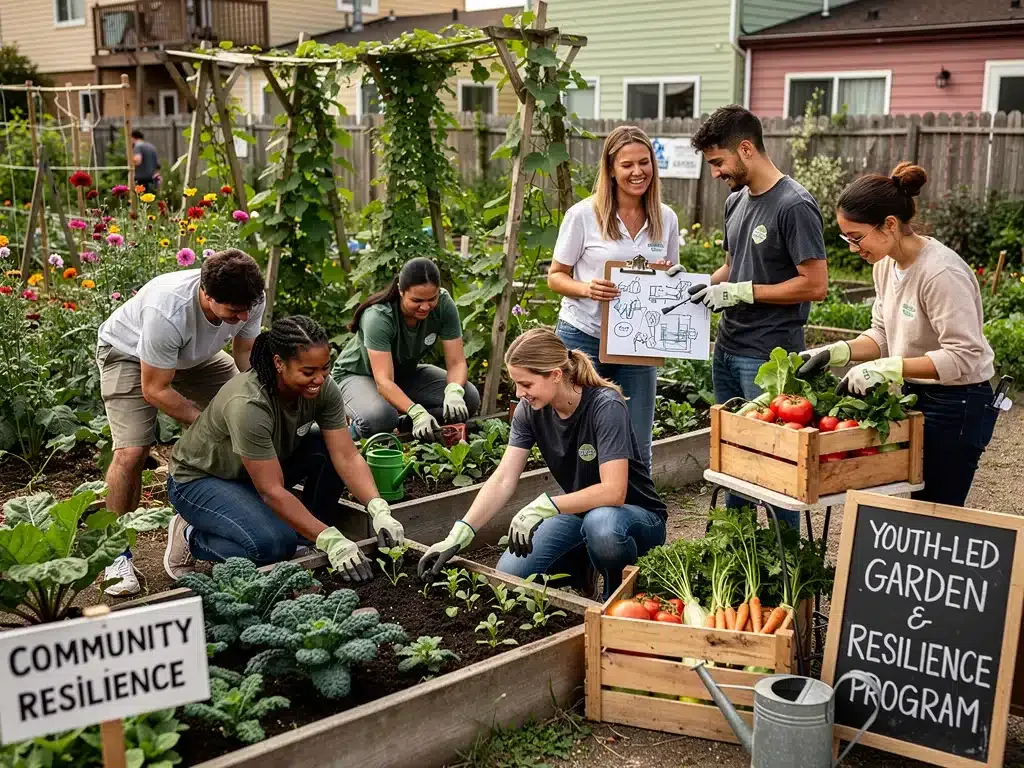
Comparative Analysis of Resilience Approaches: Strengths and Synergies
Having explored Socio-Emotional Learning (SEL) programs, Mindfulness and Stress Reduction Techniques, and Community-Based Mentorship and Support Networks as distinct early intervention strategies, it becomes clear that each approach brings unique strengths to the table in fostering Gen Z resilience. A comparative analysis reveals not only their individual merits but also the powerful synergies that emerge when they are implemented in concert.
SEL programs, by design, offer a structured, school-based curriculum that targets a broad audience, ensuring foundational socio-emotional skills are taught systematically. Their strength lies in their universality and the ability to integrate skill development into daily learning, promoting a consistent environment for growth. The data consistently shows improvements in academic performance, behavior, and emotional regulation, making SEL a robust cornerstone for resilience building.
Mindfulness and stress reduction techniques, while sometimes incorporated into SEL, offer a more specific focus on internal self-regulation and present-moment awareness. Their primary strength is equipping Gen Z with direct, portable tools to manage stress, anxiety, and emotional reactivity. These practices offer an immediate, personal intervention that can be utilized independently, fostering a sense of agency and self-efficacy in managing mental well-being. The evidence points to significant reductions in stress and improvements in focus, crucial for navigating a high-pressure world.
Community-based mentorship and support networks, on the other hand, emphasize external support systems and the power of positive relationships. Their strength lies in providing personalized guidance, a sense of belonging, and access to additional resources beyond traditional institutions. These programs address the critical human need for connection and belonging, which are powerful protective factors against adversity. Mentorship can provide real-world perspectives and a safe space for exploration, significantly boosting self-esteem and future orientation.
Synergistic Implementation for Maximum Impact
While each approach is effective on its own, their combined implementation creates a more comprehensive and robust framework for fostering resilience. Imagine a student benefiting from:
- SEL in the classroom: Learning to identify and articulate emotions, improving communication skills.
- Mindfulness exercises: Practicing techniques to calm their mind before a test or when feeling overwhelmed.
- A community mentor: Discussing academic pressures or future career paths with a trusted adult outside the family.
This integrated approach addresses resilience from multiple angles—cognitive, emotional, and social—creating a protective shield that is far stronger than any single intervention. Data suggests that multi-component interventions often yield the most significant and lasting positive outcomes for youth development. By weaving these strategies together, we create an environment where Gen Z can not only survive but truly thrive.
The comparative analysis underscores that the ideal approach is not to choose one strategy over another, but to strategically combine them. Educational institutions, community organizations, and families must collaborate to create a seamless web of support. This holistic integration ensures that Gen Z receives consistent messages and diverse tools for building resilience, preparing them for the complexities of life in 2026 and beyond.
Measuring Impact and Future Directions for 2026
For any early intervention strategy to be truly effective, particularly in fostering resilience in Gen Z, rigorous measurement of its impact is essential. Data-driven evaluation allows us to understand what works, for whom, and under what circumstances, enabling continuous refinement and optimization of programs. As we look towards 2026, the focus must be on developing sophisticated metrics and research methodologies to track the long-term outcomes of these interventions.
Measuring resilience is not a straightforward task, as it involves a complex interplay of internal and external factors. However, several validated instruments and observational methods can provide valuable insights. These include self-report questionnaires assessing coping skills, emotional regulation, and perceived social support, as well as behavioral observations in various settings. Longitudinal studies are particularly crucial for understanding how early interventions translate into sustained resilience over time.
Key Metrics for Evaluation
To accurately gauge the effectiveness of our chosen strategies, we need to consider both quantitative and qualitative data points:
- Mental Health Indicators: Reductions in reported symptoms of anxiety, depression, and stress.
- Academic Performance: Improvements in grades, attendance, and engagement.
- Social-Emotional Competencies: Measured growth in self-awareness, self-management, social awareness, relationship skills, and responsible decision-making.
- Behavioral Outcomes: Decreased instances of disciplinary issues, bullying, and substance use.
- Perceived Well-being: Self-reported levels of happiness, life satisfaction, and sense of purpose.
Collecting data across these diverse areas provides a holistic view of an intervention’s success. Furthermore, qualitative data from interviews and focus groups with Gen Z participants, parents, and educators can offer rich contextual understanding of their experiences and perceptions of the programs.
Looking ahead to 2026, the integration of technology in measurement and intervention delivery will become even more prominent. Digital platforms can facilitate the collection of real-time data, offer personalized resilience-building exercises, and connect Gen Z with support networks more efficiently. AI-powered analytics could help identify at-risk youth earlier and tailor interventions to individual needs, making these Gen Z resilience strategies more precise and impactful.
The goal is to move beyond mere program implementation to a continuous cycle of evaluation, adaptation, and innovation. By prioritizing robust data collection and analysis, we can ensure that our early intervention strategies are not only well-intentioned but also demonstrably effective in fostering enduring resilience in Generation Z, preparing them for the challenges and opportunities of the future.
Challenges and Considerations in Implementation
While the benefits of early intervention strategies for fostering Gen Z resilience are clear, their successful implementation is not without challenges. Addressing these hurdles proactively is crucial for maximizing program effectiveness and ensuring equitable access for all young people. From funding constraints to cultural sensitivity, a multi-faceted approach is required to overcome potential obstacles.
One primary challenge is securing consistent and adequate funding. Developing comprehensive SEL programs, training mindfulness facilitators, and sustaining mentorship networks all require significant financial investment. Without stable funding, programs can be short-lived or unable to reach the populations most in need. Advocacy for increased public and private investment in youth mental health and development is therefore paramount.
Overcoming Implementation Hurdles
Several key considerations must be addressed to ensure successful and sustainable implementation:
- Teacher and Staff Training: Educators and community leaders need thorough training in SEL principles, mindfulness techniques, and mentorship best practices. This includes ongoing professional development and support.
- Cultural Relevance: Programs must be culturally sensitive and responsive to the diverse backgrounds, experiences, and languages of Gen Z. A one-size-fits-all approach is unlikely to be effective.
- Parental and Community Engagement: Involving parents, guardians, and the wider community is vital. Resilience is built both inside and outside formal settings, requiring a cohesive ecosystem of support.
- Integration into Existing Structures: Rather than viewing these as add-on programs, efforts should be made to integrate them seamlessly into existing school curricula, after-school activities, and community services.
- Addressing Digital Divide: Ensuring that all Gen Z individuals, regardless of socioeconomic status, have equitable access to digital resources and support tools that may be part of resilience programs.
Addressing these considerations requires collaboration across various sectors, including education, public health, social services, and community organizations. A siloed approach will inevitably limit reach and impact.
Another significant consideration is the potential for burnout among staff and volunteers. Working with youth, particularly those facing significant challenges, can be emotionally demanding. Providing adequate support, supervision, and self-care resources for those implementing these interventions is essential for long-term program sustainability. Ultimately, effective implementation requires a commitment to continuous learning, adaptability, and a deep understanding of the unique needs and strengths of Generation Z. By proactively addressing these challenges, we can ensure our Gen Z resilience strategies are not only well-designed but also effectively delivered and sustained.
The Pivotal Role of Policy and Advocacy for Gen Z Resilience
While individual programs and community efforts are vital, the broader landscape of fostering Gen Z resilience by 2026 is significantly shaped by policy and advocacy. Systemic changes at local, state, and national levels can create an enabling environment that supports the widespread implementation and sustainability of effective early intervention strategies. Without supportive policies, even the most innovative programs may struggle to achieve scale and equitable reach.
Policy initiatives can influence everything from curriculum development in schools to funding allocations for mental health services. Advocacy groups play a crucial role in raising awareness, educating lawmakers, and mobilizing public support for policies that prioritize youth well-being. This includes pushing for legislation that mandates SEL integration, funds mindfulness training for educators, or expands access to community mentorship programs.
Policy Levers for Resilience Building
Several key policy areas can be leveraged to strengthen Gen Z resilience strategies:
- Educational Mandates: Policies requiring or incentivizing the integration of comprehensive SEL curricula in K-12 education. This ensures all students receive foundational emotional and social skills training.
- Mental Health Funding: Increased governmental funding for school-based mental health professionals, community mental health centers, and prevention programs specifically targeting youth.
- Digital Well-being Regulations: Policies that address the impact of social media and digital platforms on youth mental health, such as age-appropriate design standards or data privacy protections.
- Community Program Support: Grant programs and tax incentives for non-profit organizations that run mentorship, after-school, and youth development programs.
- Research and Evaluation Funding: Dedicated funds for rigorous research into the effectiveness of resilience interventions, ensuring that policies are evidence-based.
Effective policy also involves a commitment to equitable access. This means crafting legislation that specifically addresses disparities in resources and opportunities for marginalized Gen Z populations, ensuring that resilience-building initiatives reach those who need them most, regardless of their socioeconomic status, geographic location, or ethnic background.
Advocacy efforts must highlight the long-term societal benefits of investing in youth resilience. A resilient Gen Z is more likely to contribute positively to the workforce, engage in civic life, and maintain better physical and mental health, reducing healthcare costs and social burdens in the future. Presenting a clear economic and social case for these investments can sway policymakers and garner broader public support.
Ultimately, the pivotal role of policy and advocacy is to translate best practices into widespread reality. By creating a supportive legislative and funding environment, we can ensure that early intervention strategies are not just isolated successes but become systemic foundations for fostering resilience across all segments of Generation Z by 2026, building a stronger, healthier future for all.
| Resilience Strategy | Key Benefit |
|---|---|
| Socio-Emotional Learning (SEL) | Develops core emotional and social competencies for life. |
| Mindfulness & Stress Reduction | Equips youth with tools for self-regulation and managing stress. |
| Community Mentorship | Provides positive role models and strong social support networks. |
| Integrated Approach | Combines strategies for holistic, robust resilience building. |
Frequently Asked Questions About Gen Z Resilience
Why is fostering resilience in Gen Z particularly important now?▼Gen Z faces unique challenges including high digital exposure, social media pressures, and global uncertainties, leading to increased rates of anxiety and depression. Building resilience early equips them with essential coping mechanisms and socio-emotional skills to navigate these complexities effectively and thrive in a rapidly changing world.
What are the core components of effective Socio-Emotional Learning (SEL) programs?▼Effective SEL programs focus on five core competencies: self-awareness, self-management, social awareness, relationship skills, and responsible decision-making. These skills are taught through structured lessons, cooperative learning, and reflective practices, fostering holistic emotional and social development in students.
How do mindfulness techniques specifically benefit Gen Z’s mental well-being?▼Mindfulness techniques help Gen Z manage stress, improve emotional regulation, enhance focus, and reduce symptoms of anxiety and depression. By teaching present-moment awareness and non-judgmental observation of thoughts, these practices provide valuable internal tools for self-calming and mental clarity in a digitally saturated world.
What role do community-based mentorship programs play in building Gen Z resilience?▼Community-based mentorship connects Gen Z with positive adult role models, providing guidance, a sense of belonging, and access to resources. These programs foster self-confidence, problem-solving skills, and strong social networks, which are critical protective factors against adversity and isolation.
Why is a combined approach to resilience strategies more effective?▼A combined approach integrates the strengths of SEL, mindfulness, and community mentorship, addressing resilience from cognitive, emotional, and social angles. This synergistic implementation creates a more comprehensive and robust support system, equipping Gen Z with diverse tools and resources for sustained well-being and adaptability in all aspects of life.
Conclusion
The journey to fostering robust Gen Z resilience strategies by 2026 is a multifaceted endeavor, demanding a concerted effort from educators, parents, communities, and policymakers. Our comparative analysis of Socio-Emotional Learning, Mindfulness and Stress Reduction Techniques, and Community-Based Mentorship highlights their distinct yet complementary strengths. While each approach offers significant benefits independently, their synergistic implementation forms a truly comprehensive framework for equipping this digitally native generation with the essential skills and support systems needed to navigate an increasingly complex world. By prioritizing data-backed interventions, ensuring equitable access, and advocating for supportive policies, we can empower Gen Z not just to cope with adversity, but to thrive, innovate, and contribute meaningfully to society, building a more resilient future for all.