Youth Activism in 2026: Gen Z Driving Social Change
Advertisements
Gen Z’s youth activism in 2026 is a formidable force, leveraging digital platforms and intersectional approaches to drive significant social change and reshape policy landscapes across the United States.
In 2026, the landscape of social change is undeniably shaped by the relentless energy and innovative strategies of Generation Z. Their commitment to youth activism Gen Z has transitioned from nascent movements to a powerful, undeniable force, influencing everything from local community initiatives to national policy debates. This generation, born into a hyper-connected world, approaches advocacy with a unique blend of digital fluency, intersectional awareness, and an urgent demand for tangible results, setting a new precedent for how social issues are addressed and resolved.
The Digital Native Advantage: Redefining Activism
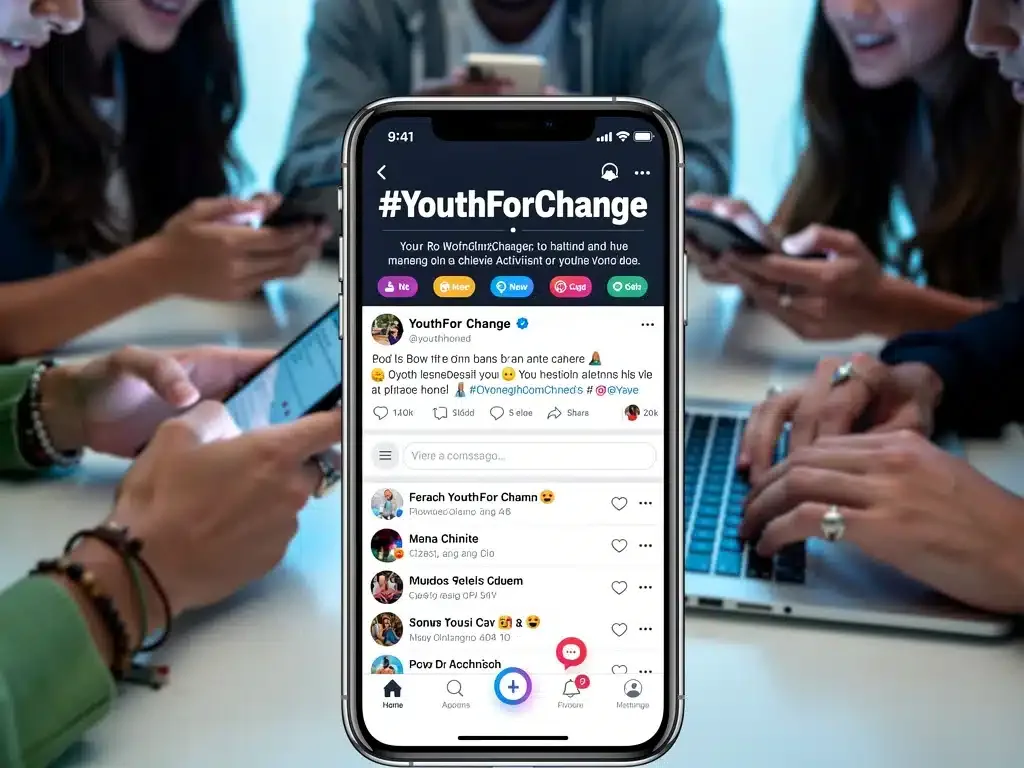
Generation Z, often labeled as digital natives, has inherently transformed the methodology of activism. Their innate understanding of online platforms allows for rapid mobilization and information dissemination, transcending geographical barriers and traditional organizational structures. This digital prowess is not merely about sharing content; it’s about strategic engagement, narrative control, and creating widespread awareness with unprecedented speed.
Social Media as a Battleground and Classroom
For Gen Z, social media platforms like TikTok, Instagram, and X (formerly Twitter) are more than just social tools; they are essential instruments for advocacy. These platforms serve as both a battleground for ideas and a classroom for civic education, enabling young activists to challenge disinformation and amplify marginalized voices effectively. The short-form video content and viral trends become powerful vehicles for complex messages.
- Rapid Information Sharing: Complex issues are broken down into digestible, shareable content, reaching millions instantly.
- Global Connectivity: Activists connect with peers and movements worldwide, fostering solidarity and shared strategies.
- Direct Engagement: Politicians, corporations, and public figures are directly challenged and held accountable, often in real-time.
- Narrative Control: Gen Z controls their own narratives, bypassing traditional media gatekeepers and presenting unfiltered perspectives.
Beyond the virtual realm, this digital fluency empowers real-world actions. Online campaigns frequently translate into physical protests, boycotts, and voter registration drives, demonstrating a seamless integration between their digital and physical advocacy efforts. The speed at which a cause can gain traction online and then manifest in tangible action is a hallmark of Gen Z’s approach to activism, ensuring that their concerns are not easily dismissed by established institutions.
Intersectional Advocacy: A Holistic Approach to Justice
One of the most defining characteristics of Gen Z’s youth activism is its deep commitment to intersectionality. Unlike previous generations that often focused on single issues, Gen Z recognizes that various forms of oppression are interconnected. They understand that racial justice, environmental protection, gender equality, and economic fairness are not isolated battles but rather facets of a larger struggle for a more equitable society.
This holistic perspective means that their movements often address multiple issues concurrently, building broader coalitions and fostering a more inclusive form of activism. For example, a climate strike might also highlight the disproportionate impact of environmental degradation on marginalized communities, linking climate justice directly to racial and economic justice. This comprehensive view strengthens their arguments and expands their base of support, making their demands harder to ignore.
The embrace of intersectionality also extends to the leadership within these movements. Gen Z activism is often decentralized and emphasizes diverse voices, ensuring that those most affected by systemic injustices are at the forefront of the advocacy. This commitment to authentic representation not only strengthens the legitimacy of their demands but also cultivates a more resilient and adaptable movement capable of addressing evolving challenges. Their ability to synthesize complex social dynamics into actionable demands is a testament to their insightful and empathetic approach to advocacy.
Key Issues Driving Gen Z Activism in 2026
In 2026, several critical issues continue to galvanize Gen Z into action, reflecting their core values and the pressing challenges of their time. These issues are not merely abstract concepts but represent lived experiences and future anxieties for this generation, fueling their determination to enact change. Their engagement is often driven by a sense of urgency, recognizing that inaction today will have profound consequences for their future.
Climate Justice and Environmental Protection
The climate crisis remains a paramount concern for Gen Z. Having grown up witnessing extreme weather events and scientific warnings, they advocate fiercely for aggressive climate policies, renewable energy transitions, and corporate accountability. They push for systemic changes rather than individual actions, demanding that governments and corporations take decisive steps.
- Policy Demands: Advocating for carbon neutrality, investments in green technology, and protection of natural resources.
- Corporate Accountability: Challenging companies with unsustainable practices and promoting ethical consumption.
- Intergenerational Equity: Emphasizing that older generations have a responsibility to secure a livable planet for future generations.
Beyond climate, issues of social equity, mental health, and economic justice are equally central to their activism. They champion movements for racial justice, gender equality, and LGBTQ+ rights, often drawing connections between these struggles and broader systemic inequalities. The pandemic further highlighted disparities, solidifying their resolve to dismantle oppressive structures and build more inclusive societies. Their advocacy for mental health awareness and access to resources reflects a generation grappling with unprecedented levels of stress and anxiety, demanding a more compassionate and supportive societal framework.
Influencing Policy and Political Landscapes
Gen Z’s activism is not just about raising awareness; it’s about actively shaping policy and shifting political landscapes. Their strategies include voter mobilization, direct lobbying, and holding elected officials accountable. They understand the power of the ballot box and are increasingly turning their collective energy into political influence, recognizing that legislative change is crucial for lasting impact.
Their participation in elections, both as voters and as campaign volunteers, is steadily increasing, particularly in local and state elections where their impact can be more immediately felt. They are also adept at leveraging data and analytics to identify key races and influence public opinion, transforming traditional political engagement through modern tools. This strategic approach ensures that their voices are not just heard, but are also translated into concrete policy outcomes, challenging the established political order and demanding responsiveness from their representatives.
Grassroots Organizing and Local Impact
While often associated with digital movements, Gen Z is also highly effective at grassroots organizing. They engage in local community projects, volunteer work, and direct action to address immediate needs and build community power. This dual approach—global digital reach combined with local, tangible efforts—makes their activism incredibly potent and versatile.
- Community Clean-ups: Organizing local environmental initiatives to improve their immediate surroundings.
- Mutual Aid Networks: Establishing systems to support vulnerable community members, especially in times of crisis.
- Local Policy Advocacy: Engaging with city councils and local government to influence policies that directly affect their communities.
Their willingness to engage at both macro and micro levels demonstrates a sophisticated understanding of how change occurs. They recognize that while large-scale policy shifts are essential, meaningful progress also stems from strengthening local communities and addressing everyday injustices. This comprehensive engagement ensures that their impact is felt across all levels of society, from global dialogues to neighborhood improvements.
Challenges and Criticisms Faced by Youth Activists
Despite their growing influence, Gen Z activists face a unique set of challenges and criticisms. One common critique is the perception of ‘slacktivism’ – the idea that online engagement does not translate into meaningful real-world action. While this criticism often overlooks the strategic power of digital platforms, it highlights the ongoing need for activists to demonstrate tangible outcomes and bridge the gap between online advocacy and offline impact. They are constantly working to prove that their digital presence is a catalyst for, not a substitute for, genuine change.
Another significant challenge is the intense scrutiny and backlash they often receive, particularly from established power structures and older generations. Young activists are frequently dismissed as naive, idealistic, or overly emotional, undermining the validity of their concerns. This dismissiveness can lead to burnout and disillusionment, making it crucial for them to build resilient support networks and develop effective coping mechanisms against constant criticism. The mental health toll of continuous advocacy in a highly critical environment is a serious consideration.

Furthermore, the decentralized nature of many Gen Z movements, while offering flexibility, can also lead to challenges in sustained leadership and long-term strategic planning. Without traditional hierarchical structures, maintaining momentum and coordinating large-scale efforts can be complex. Navigating internal disagreements and ensuring equitable representation within diverse coalitions also requires continuous effort and strong communication skills. These inherent difficulties demand constant adaptation and evolution in their organizational strategies to maintain effectiveness and achieve their ambitious goals.
The Future of Youth Activism: What Lies Ahead
Looking ahead to the coming years, the future of youth activism, particularly led by Gen Z, appears poised for even greater impact. Their innovative approaches, combined with an unwavering commitment to justice and equity, suggest a continued trajectory of influence on social and political landscapes. As they mature and gain more experience, their methods will undoubtedly become even more refined and strategically effective, ensuring their presence remains a powerful force in global discussions.
We can anticipate a further integration of technology into their advocacy, potentially leveraging emerging tools like AI for data analysis, virtual reality for immersive storytelling, and blockchain for transparent fundraising and decentralized decision-making. This technological evolution will likely enhance their ability to mobilize, educate, and influence, making their movements even more agile and far-reaching. The continuous development of digital skills within this generation will only amplify their capacity to innovate within the activist space, driving new forms of engagement and impact.
Moreover, as Gen Z increasingly enters positions of leadership in various sectors, their values and priorities will permeate institutions, from corporations to government agencies. This generational shift in leadership could lead to more systemic changes and a greater alignment between societal norms and the progressive ideals championed by young activists. Their enduring commitment to intersectionality will continue to foster more inclusive movements, ensuring that the fight for justice considers all affected communities. The long-term implications of their sustained engagement promise a future shaped by their persistent demands for a better, more equitable world.
| Key Aspect | Brief Description |
|---|---|
| Digital Prowess | Gen Z leverages social media for rapid mobilization, information sharing, and direct engagement with decision-makers. |
| Intersectional Approach | Activism addresses interconnected issues like climate, racial justice, and gender equality simultaneously. |
| Policy Influence | Engage in voter mobilization, lobbying, and grassroots organizing to shape legislative outcomes. |
| Overcoming Challenges | Navigates criticisms like ‘slacktivism’ and backlash by demonstrating tangible impact and building resilient networks. |
Frequently Asked Questions About Gen Z Activism
How does Gen Z’s digital literacy impact their activism?▼Gen Z’s digital literacy enables rapid information dissemination, global mobilization, and direct engagement with public figures. They use social media as a strategic tool to amplify messages, organize campaigns, and challenge traditional power structures effectively.
What are the core issues Gen Z activists prioritize in 2026?▼In 2026, Gen Z prioritizes climate justice, racial justice, gender equality, LGBTQ+ rights, and mental health awareness. Their activism often reflects an intersectional understanding, linking these issues as interconnected struggles against systemic inequalities.
How do Gen Z activists influence policy and political landscapes?▼Gen Z influences policy through voter mobilization, direct lobbying, grassroots organizing, and holding elected officials accountable. They actively participate in elections and leverage digital tools to shape public opinion and drive legislative change at local and national levels.
What criticisms do Gen Z activists face, and how do they address them?▼They often face criticisms of ‘slacktivism’ and being dismissed as naive. Gen Z addresses these by translating online engagement into tangible real-world actions, building strong community networks, and demonstrating concrete policy impacts to validate their efforts.
What is the long-term outlook for Gen Z’s youth activism?▼The long-term outlook suggests continued growth and increased influence. As Gen Z matures, their methods will refine, integrating advanced technologies like AI. Their values will increasingly shape institutions, leading to more systemic changes and a more equitable future.
Conclusion
The sustained and evolving impact of youth activism Gen Z in 2026 marks a pivotal moment in social and political spheres. Their innovative use of digital platforms, combined with a profound commitment to intersectional justice, has redefined what it means to advocate for change. As they continue to mature and refine their strategies, Gen Z is not merely participating in social movements; they are fundamentally reshaping them, ensuring that their demands for a more equitable, sustainable, and just world are not only heard but also acted upon. Their influence promises to be a lasting force, driving policies and societal norms toward a future aligned with their progressive vision.