Gen Z Social Dynamics: 3-Month Outlook on Peer Influence & Identity
Advertisements
The evolving social dynamics of Gen Z in 2026 are profoundly shaped by digital peer influence and rapid identity formation, manifesting in unique online and offline behaviors and requiring adaptive understanding.
In a rapidly evolving world, understanding Gen Z social dynamics is more crucial than ever, especially as we look at the immediate future. This article offers a 3-month outlook on peer influence and identity formation in 2026, providing insights into how this generation navigates their social landscapes.
Advertisements
the digital natives: redefined social landscapes
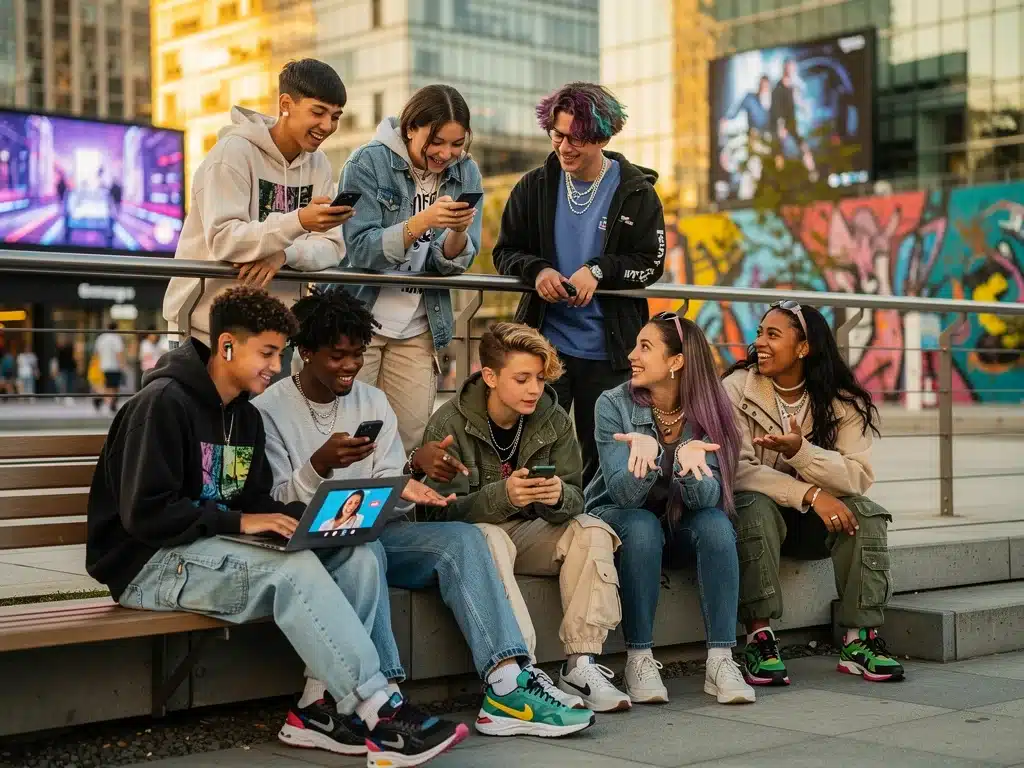
Generation Z, born roughly between 1997 and 2012, has never known a world without the internet. This fundamental truth shapes their social dynamics in profound ways, creating a landscape where online and offline interactions are seamlessly interwoven, often blurring traditional boundaries.
The ubiquity of smartphones and social media platforms means that peer relationships are constantly in flux, influenced by algorithms, viral trends, and instantaneous communication. This constant connectivity changes how friendships are formed, maintained, and even dissolved, impacting their emotional well-being and social development.
the omnipresence of social media
Social media platforms like TikTok, Instagram, and newer, emerging apps continue to dictate much of Gen Z’s social interactions. These platforms are not merely tools for communication; they are extensions of their social lives, serving as stages for self-expression and arenas for peer validation.
- Algorithmic influence: Content algorithms curate their feeds, often reinforcing existing social circles and perspectives.
- Trend adoption: Viral challenges and trends spread rapidly, becoming shared experiences that foster group cohesion.
- Instant gratification: Likes, comments, and shares provide immediate feedback, conditioning social behaviors.
The digital realm fosters a sense of global community while simultaneously intensifying local peer pressures. Understanding these dual forces is essential for parents and educators attempting to navigate the complexities of Gen Z’s social development over the next three months.
The constant stream of information and social cues from digital platforms demands a new level of social literacy. Gen Z members must discern authenticity, manage their digital footprint, and cope with potential online negativity, all while striving to maintain their real-world connections.
peer influence in a hyper-connected world
Peer influence has always been a significant factor in adolescent development, but for Gen Z, its nature has evolved dramatically. The hyper-connected environment means that peer pressure is not confined to school hallways or neighborhood hangouts; it extends into every digital space they inhabit.
This omnipresent influence can manifest in various ways, from shaping fashion choices and musical tastes to influencing opinions on social justice issues and career aspirations. The rapid dissemination of information and opinions through digital channels means that trends and norms can shift almost overnight.
the power of digital endorsements
A like or a share from a peer can carry immense weight, often more so than traditional forms of approval. Influencers, who are essentially digital peers, also wield significant power, shaping purchasing decisions, lifestyle choices, and even political views among their followers.
- Validation seeking: The pursuit of digital validation often drives engagement and content creation.
- Conformity pressure: Trends dictate acceptable behaviors and aesthetics, leading to strong conformity pressures.
- Social learning: Peers serve as primary sources of information and behavioral models, especially in emerging contexts.
Over the next three months, observing how new digital platforms or features impact these dynamics will be critical. Will new forms of peer influence emerge, or will existing patterns simply intensify? The answer will undoubtedly shape how Gen Z interacts and forms their social identities.
Educational strategies and parental guidance need to adapt to this new reality, fostering critical thinking skills to help young people navigate conflicting messages and develop resilience against negative peer pressures, both online and offline.
identity formation amidst fluid digital selves
Identity formation for Gen Z is a dynamic and often complex process, heavily influenced by their digital lives. The ability to curate multiple online personas—one for Instagram, another for TikTok, a different one for gaming communities—allows for experimentation but can also create fragmentation and confusion.
This generation grapples with defining who they are in a world where their every action, comment, and preference can be publicly documented and scrutinized. The constant feedback loop from peers, both positive and negative, plays a crucial role in how they perceive themselves and test out different identities.
navigating online and offline personas
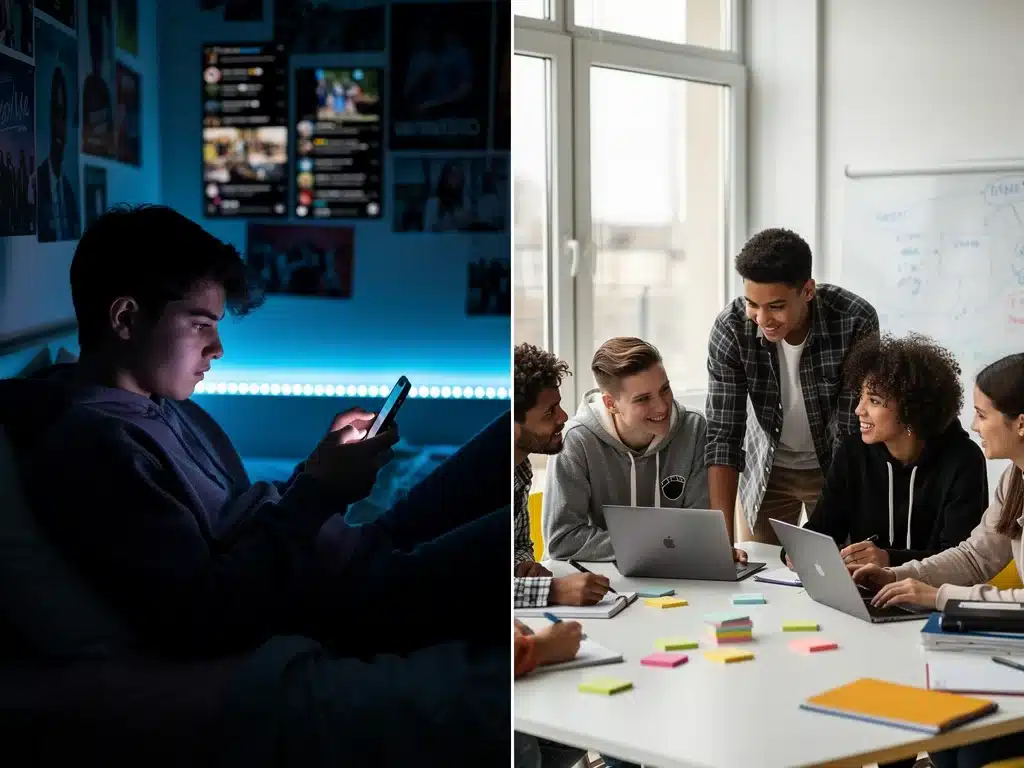
The distinction between an online self and an offline self is often blurred for Gen Z. They seamlessly transition between these worlds, carrying aspects of one into the other. This fluidity allows for greater self-expression but also presents challenges in maintaining a coherent sense of self.
The pressure to present a perfect, curated version of themselves online can lead to anxiety and self-esteem issues. The constant comparison with idealized online lives of peers contributes to feelings of inadequacy, making the journey of identity formation particularly challenging.
- Experimentation: Digital spaces offer safe environments to try on different identities and gauge peer reactions.
- Authenticity vs. curation: Balancing the desire for authenticity with the pressure to present an idealized self.
- Feedback loop: Peer reactions online directly influence self-perception and identity choices.
As we move into 2026, it’s expected that Gen Z will continue to explore and challenge traditional identity constructs. Their identities are likely to remain fluid, adapting to new social trends and digital environments. This constant evolution requires support systems that encourage self-acceptance and resilience.
Educators and mental health professionals must acknowledge this unique aspect of Gen Z’s development, offering guidance that helps them integrate their diverse experiences into a cohesive and healthy sense of self, rather than viewing their digital personas as separate or superficial.
mental health implications of digital social dynamics
The intense and often public nature of Gen Z’s social dynamics has significant implications for their mental health. While digital connections can provide support and belonging, they also expose young people to cyberbullying, social comparison, and the pressure to always be available and engaged.
The constant stream of information and the fear of missing out (FOMO) can contribute to increased anxiety and stress. Sleep patterns are often disrupted by late-night scrolling, further impacting their emotional and cognitive well-being. These factors are critical to monitor in the coming months.
the rise of digital anxiety and depression
Studies consistently show a correlation between heavy social media use and increased rates of anxiety and depression among Gen Z. The pressure to maintain an online presence, coupled with exposure to idealized or negative content, can be overwhelming for developing minds.
- Cyberbullying: The anonymity of the internet can embolden bullies, leading to severe emotional distress for victims.
- Social comparison: Constantly viewing curated highlight reels of peers can foster feelings of inadequacy and envy.
- Information overload: The relentless flow of news and social updates can be mentally exhausting and contribute to anxiety.
Addressing these mental health challenges requires a multi-faceted approach, involving digital literacy education, fostering healthy online habits, and providing accessible mental health resources. Over the next three months, observing trending mental health discussions on platforms Gen Z uses will offer valuable insights.
Parents and educators need to foster open conversations about online experiences, creating safe spaces where young people feel comfortable discussing their struggles and seeking help without fear of judgment. Promoting digital detoxes and encouraging real-world interactions are also vital strategies.
the evolving role of digital communities
Digital communities play a foundational role in Gen Z’s social dynamics. These are not merely online groups but vibrant ecosystems where individuals find belonging, share niche interests, and form strong bonds that often transcend geographical boundaries. From gaming guilds to fan communities and activism groups, these spaces are critical for identity reinforcement.
These communities offer a sense of acceptance and understanding that might be harder to find in traditional offline settings, especially for those with unique interests or identities. Over the next three months, observing the rise of new platforms or the evolution of existing ones will be key to understanding where Gen Z is building their social nests.
niche interests and shared identities
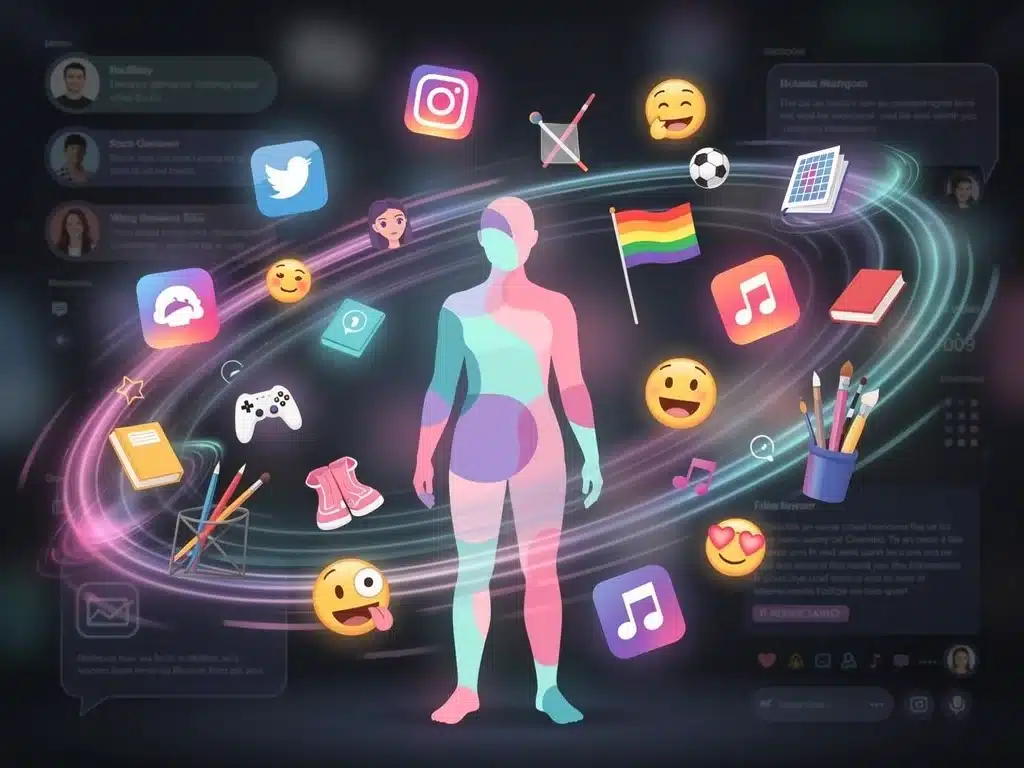
Unlike previous generations who might have been limited by local social circles, Gen Z can connect with like-minded individuals globally. This allows for deeper dives into specific interests, reinforcing their sense of self and providing a platform for specialized peer influence.
- Shared passions: Gaming, anime, specific music genres, or niche hobbies form the bedrock of many digital communities.
- Identity affirmation: These communities often provide a safe space for exploring and affirming diverse identities, including gender and sexuality.
- Collaborative creation: Many groups engage in joint projects, from fan fiction to digital art, fostering a sense of collective achievement.
The influence of these digital communities on Gen Z’s worldview and social behaviors cannot be overstated. They are laboratories for social experimentation and identity consolidation. As 2026 progresses, understanding the nuances of these online spaces will be crucial for anyone seeking to connect with or support this generation.
Recognizing the positive aspects of these communities, such as fostering creativity and providing emotional support, is as important as being aware of potential risks like echo chambers or exposure to harmful content. A balanced perspective is essential.
educational and parental strategies for 2026
Given the rapid evolution of Gen Z’s social dynamics, educational institutions and parents must adopt adaptive strategies. A static approach will fail to address the complex interplay of digital and real-world influences shaping young minds. The focus should be on fostering resilience, critical thinking, and healthy digital citizenship.
Over the next three months, staying informed about emerging digital trends and communication styles will be paramount. This proactive approach allows adults to anticipate challenges and provide timely support, rather than reacting to issues after they have escalated.
fostering digital literacy and emotional intelligence
Teaching digital literacy goes beyond simply knowing how to use technology; it involves understanding its impact on social interactions, privacy, and mental health. This must be coupled with emotional intelligence development to help Gen Z navigate complex online social situations.
- Critical media consumption: Educating about discerning credible information from misinformation and recognizing manipulative content.
- Empathy in digital spaces: Encouraging consideration for others’ feelings and perspectives in online interactions.
- Healthy screen time: Promoting balanced device usage and encouraging engagement in offline activities.
Open communication is perhaps the most powerful tool parents and educators possess. Creating an environment where Gen Z feels comfortable discussing their online experiences, concerns, and successes without judgment is vital. This dialogue builds trust and provides opportunities for guidance.
By understanding the unique challenges and opportunities presented by Gen Z’s social dynamics in 2026, parents, educators, and mental health professionals can work collaboratively to support their healthy development and help them thrive in an increasingly interconnected world.
the future of gen z social dynamics: a 3-month outlook
Looking ahead for the next three months in 2026, several key trends are likely to continue shaping Gen Z’s social dynamics. The integration of artificial intelligence into social platforms may introduce new layers of algorithmic influence, potentially personalizing content and social circles even further. This could lead to more tailored peer groups but also risks creating deeper echo chambers.
We might also see a heightened awareness and demand for digital well-being features, driven by Gen Z themselves. As mental health discussions become more prevalent, platforms may respond with tools designed to promote healthier online habits and reduce social comparison.
emerging platforms and virtual realities
The landscape of social platforms is never static. New apps or features that prioritize ephemeral content, niche communities, or even virtual reality interactions could gain significant traction. These innovations would undoubtedly alter the mechanisms of peer influence and identity expression.
- Micro-communities: A shift towards smaller, more private online groups for deeper connection.
- Ethical AI in social media: Increased scrutiny and demand for transparent and ethical algorithmic practices.
- Hybrid social models: Further blurring of online and offline, with virtual events and augmented reality becoming more commonplace in social gatherings.
The coming months will serve as a crucial period for observing how Gen Z adapts to these technological shifts and how their social behaviors evolve in response. Their inherent adaptability suggests they will quickly integrate new tools, but the underlying need for connection, validation, and self-expression will remain constant.
Ultimately, understanding these evolving dynamics is not about predicting every trend but about appreciating the foundational principles that drive Gen Z’s social world. This informed perspective allows for more effective support and engagement with this pivotal generation.
| Key Aspect | 3-Month Outlook (2026) |
|---|---|
| Peer Influence | Continued algorithmic shaping, rise of niche digital endorsements. |
| Identity Formation | Fluid and multi-faceted, balancing curated online selves with authenticity. |
| Mental Health | Increased awareness of digital anxiety; demand for well-being features. |
| Digital Communities | Growth of niche groups; potential for new VR/AR integrated social spaces. |
frequently asked questions about gen z social dynamics
For Gen Z, digital peer influence is constant and global, extending beyond physical proximity through social media algorithms and online trends. Previous generations experienced peer influence primarily in localized, face-to-face settings, lacking the pervasive digital feedback loop Gen Z navigates daily.
Gen Z faces challenges like curating multiple online personas, balancing authenticity with idealized self-presentation, and coping with constant public scrutiny. This can lead to identity fragmentation, increased anxiety, and self-esteem issues due to social comparison and the pursuit of digital validation.
Support involves fostering digital literacy, promoting critical thinking about online content, and developing emotional intelligence. Open communication, encouraging healthy screen time, and providing access to mental health resources are crucial for navigating digital stressors and building resilience.
Digital communities offer both benefits and harms. They provide spaces for belonging, shared interests, and identity affirmation, fostering strong bonds. However, they can also lead to echo chambers, expose individuals to cyberbullying, or create undue pressure to conform, requiring careful navigation.
Emerging trends include further AI integration into social platforms, leading to hyper-personalized experiences. There’s also a potential rise in demand for digital well-being features, the growth of micro-communities, and increased adoption of virtual and augmented reality in social interactions, continuously reshaping their social landscape.
conclusion
The social dynamics of Gen Z are undeniably complex, shaped by an intricate web of digital and real-world influences that demand continuous observation and understanding. As we navigate the immediate three-month outlook into 2026, the ongoing evolution of peer influence, the fluid nature of identity formation, and the critical mental health implications remain central themes. By embracing adaptive strategies, fostering digital literacy, and maintaining open lines of communication, parents, educators, and society at large can better support this generation in thriving within their uniquely interconnected world. The future of Gen Z’s social interactions will continue to be a fascinating and essential area of study, requiring empathy, informed perspectives, and proactive engagement.