Parental Guidance in the Digital Age: 5 Strategies for Gen Z Online Safety
Advertisements

Effective parental guidance in the digital age is crucial for Gen Z’s online safety, requiring a proactive and informed approach to navigating evolving technological landscapes and potential risks in 2026.
In an era where digital natives, specifically Generation Z, are growing up with an omnipresent internet, the concept of parental guidance in the digital age has never been more critical. As we look towards 2026, the online landscape continues to evolve at an unprecedented pace, presenting both incredible opportunities and significant challenges for young people. Understanding and implementing effective strategies to safeguard Gen Z online is no longer optional but an absolute necessity for parents and guardians alike.
Understanding the Gen Z Digital Landscape in 2026
Generation Z, broadly defined as those born between the mid-1990s and early 2010s, has never known a world without the internet. Their lives are deeply intertwined with digital platforms, influencing everything from their social interactions and academic pursuits to their entertainment and career aspirations. By 2026, this digital integration will only intensify, making it imperative for parents to grasp the nuances of their children’s online world.
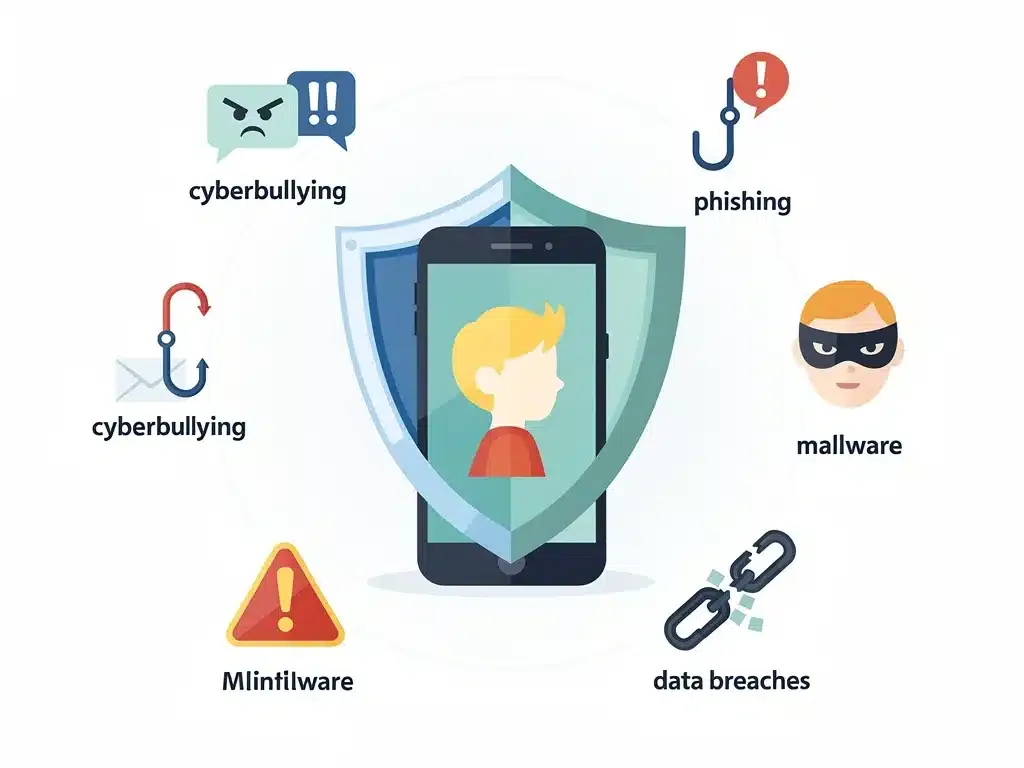
This generation utilizes a diverse array of platforms, extending far beyond traditional social media. They engage with interactive gaming environments, virtual reality spaces, AI-driven content creation tools, and decentralized social networks. This complex ecosystem presents unique challenges, such as exposure to misinformation, cyberbullying, privacy breaches, and the psychological impacts of constant connectivity. Parents must move beyond simply monitoring screen time and delve into understanding the content and contexts of their children’s digital engagement.
The evolving nature of online threats
Online threats are not static; they adapt and become more sophisticated. What was a concern five years ago might be overshadowed by new challenges in 2026. For Gen Z, this includes deepfake technology, advanced phishing scams, algorithmic biases, and the pervasive nature of online echo chambers. Parents need to be aware that simply blocking certain websites is no longer sufficient. A more dynamic and communicative approach is required to equip young people with the critical thinking skills necessary to navigate these evolving dangers.
- AI-generated content: The rise of AI blurs the lines between real and fake, making it harder for Gen Z to discern truth.
- Data privacy: Personal data is a valuable commodity, and young users often unknowingly share vast amounts of it.
- Mental health impacts: Constant comparison, cyberbullying, and the pressure to maintain an online persona can severely affect mental well-being.
- Algorithmic influence: Personalized feeds can create filter bubbles, limiting exposure to diverse perspectives and potentially radicalizing views.
The digital world for Gen Z is a dynamic, ever-changing environment. Staying informed about the latest trends, platforms, and potential risks is the first step in providing effective parental guidance. It’s about being present and engaged in their digital lives, not just observing from a distance.
Strategy 1: Fostering Open Communication and Trust
One of the most powerful tools in parental guidance in the digital age is establishing and maintaining open, honest communication with Gen Z. This strategy centers on building trust, creating a safe space where children feel comfortable discussing their online experiences, both positive and negative, without fear of immediate judgment or punishment. By 2026, a punitive approach is less effective than a collaborative one.
Parents should aim to be a resource, not just a rule-setter. This involves initiating conversations about online activities early and regularly, asking open-ended questions about what they enjoy, what they find challenging, and what they see their friends doing. It’s crucial to listen more than you lecture, validating their experiences and emotions, even if you don’t fully understand the digital context.
Creating a safe space for digital discussions
A safe space means that when a Gen Z child comes forward with a problem – whether it’s cyberbullying, encountering inappropriate content, or feeling overwhelmed by social media – their initial response from a parent should be supportive and problem-solving, rather than accusatory or fear-driven. This reinforces the idea that parents are allies in navigating the complexities of the online world.
Regular family meetings or dedicated discussion times, even informal ones, can be incredibly beneficial. These aren’t interrogations but opportunities to share information, discuss new apps, talk about online trends, and collectively set expectations. Parents can also share their own experiences or concerns, demonstrating vulnerability and fostering a two-way dialogue.
- Active listening: Pay attention to their concerns and feelings without interrupting.
- Non-judgmental approach: Avoid immediate criticism or anger; focus on understanding.
- Share your own experiences: Relate personal insights to build common ground.
- Regular check-ins: Make online safety discussions a routine part of family life.
By fostering an environment of trust and open communication, parents empower their Gen Z children to seek help when needed, turning potential online crises into teachable moments and strengthening the parent-child bond.
Strategy 2: Setting Clear Boundaries and Digital Etiquette
While open communication is foundational, it must be complemented by clear, consistent boundaries and the teaching of digital etiquette. In 2026, with the blurring lines between online and offline life, Gen Z needs structure and guidance to develop healthy digital habits. This involves more than just setting screen time limits; it encompasses responsible online behavior, privacy settings, and understanding digital footprints.
Parents should collaborate with their Gen Z children to establish family rules regarding device usage, content consumption, and online interactions. These rules should be discussed and agreed upon, rather than imposed unilaterally, to increase buy-in and adherence. Examples include device-free mealtimes, designated charging stations outside bedrooms, and age-appropriate content guidelines.

Teaching digital citizenship and privacy
Beyond personal boundaries, Gen Z needs to understand their role as digital citizens. This means teaching them about the permanence of online content, the importance of respecting others’ privacy, and the concept of a positive digital footprint. Discussions should cover how to identify and report cyberbullying, the dangers of sharing personal information, and the implications of online actions on future opportunities, such as college admissions or job prospects.
Privacy settings on social media platforms, gaming consoles, and other digital services are constantly changing. Parents should regularly review these settings with their children, explaining why certain restrictions are in place and how to manage their digital presence effectively. This hands-on approach helps Gen Z take ownership of their online safety.
- Collaborative rule-setting: Involve children in creating family digital guidelines.
- Privacy management: Teach them how to configure and regularly review privacy settings on all platforms.
- Digital footprint awareness: Explain the long-term impact of online posts and interactions.
- Reporting mechanisms: Educate them on how to report inappropriate content or behavior.
Establishing clear boundaries and teaching digital etiquette are crucial for empowering Gen Z to make responsible choices online, fostering self-regulation, and protecting their long-term digital well-being.
Strategy 3: Leveraging Technology for Enhanced Protection
While technology presents challenges, it also offers powerful solutions for parental guidance in the digital age. By 2026, a range of tools and software can assist parents in creating a safer online environment for Gen Z, from parental control apps to network-level filters. However, it’s essential to use these tools judiciously, ensuring they complement rather than replace open communication.
Parental control software can help manage screen time, filter inappropriate content, and monitor online activity. Many operating systems and internet service providers also offer built-in features for family safety. The key is to research and select tools that align with your family’s values and your Gen Z child’s developmental stage. Transparency is paramount; children should be aware that these tools are in place and understand their purpose.
Utilizing monitoring and filtering tools wisely
Effective use of technology for protection involves more than just installation. It requires ongoing review and adjustment. As Gen Z grows and their online needs change, so too should the parameters of these tools. For instance, younger children might require stricter content filters, while older teenagers might benefit more from activity monitoring that focuses on identifying potential risks rather than outright blocking.
It’s also important to remember that no technological solution is foolproof. Savvy Gen Z individuals can often find ways around restrictions. This reinforces the need for a multi-faceted approach where technology supports, but does not solely define, parental guidance. Regularly discussing online activities and teaching self-regulation are still the most effective long-term strategies.
- Parental control apps: Manage screen time, app usage, and content access.
- Network-level filters: Implement content filtering at the router level for all devices.
- Privacy settings on devices/apps: Configure security settings on smartphones, tablets, and social media.
- Educational software: Use tools that teach digital literacy and critical thinking skills.
Leveraging technology effectively means using it as a supportive layer of protection, allowing parents to gain insights and manage risks, while still prioritizing trust and communication with their Gen Z children.
Strategy 4: Promoting Digital Literacy and Critical Thinking
In the complex digital landscape of 2026, simply blocking or monitoring is insufficient. A crucial aspect of parental guidance in the digital age is empowering Gen Z with robust digital literacy and critical thinking skills. This enables them to independently evaluate online information, recognize manipulation, and make informed decisions about their digital interactions.
Digital literacy goes beyond knowing how to use an app; it encompasses understanding the underlying mechanisms of the internet, the business models of social media platforms, and the psychological tactics used to keep users engaged. Parents should actively teach their children how to identify misinformation, verify sources, and understand the concept of algorithmic bias, which can shape their online experiences and perceptions.
Developing media discernment skills
Teaching media discernment means helping Gen Z question what they see and read online. This involves discussing the differences between factual news and opinion, identifying sponsored content, and understanding how images and videos can be manipulated. Practical exercises, such as analyzing a news article for bias or discussing the credibility of a viral social media post, can be highly effective.
Encourage them to consider the source, look for corroborating evidence, and think about the potential motivations behind the content they consume. This critical approach extends to their own content creation, prompting them to consider the impact and accuracy of what they choose to share online.
- Source verification: Teach children how to check the credibility of online information.
- Identifying bias: Discuss how algorithms and human perspectives can influence content.
- Understanding digital footprints: Explain the permanence and implications of online actions.
- Recognizing manipulation: Educate about phishing, scams, and psychological tactics.
By fostering digital literacy and critical thinking, parents equip Gen Z with the intellectual tools needed to navigate the digital world safely and intelligently, transforming them from passive consumers into active, discerning participants.
Strategy 5: Prioritizing Mental Health and Well-being
The constant connectivity and pressures of the digital world can significantly impact Gen Z’s mental health. Therefore, a vital component of parental guidance in the digital age for 2026 must be a proactive focus on their psychological well-being. This involves recognizing the signs of digital distress, promoting healthy screen habits, and encouraging real-world connections.
Parents should be vigilant for changes in mood, sleep patterns, social behavior, or academic performance that might indicate a struggle with online pressures. This could stem from cyberbullying, social media comparison, fear of missing out (FOMO), or addiction to gaming/social platforms. Openly discussing these potential impacts helps normalize the conversation and encourages Gen Z to seek help.
Encouraging offline engagement and balance
While the digital world is integral to Gen Z’s lives, a healthy balance with offline activities is crucial. Parents should actively encourage participation in sports, hobbies, creative pursuits, and face-to-face social interactions. These activities provide essential counterbalances to screen time, fostering different skill sets, building self-esteem, and reducing reliance on digital validation.
Modeling healthy digital habits yourself is also incredibly important. If parents are constantly on their phones, it sends a mixed message. Establishing device-free zones or times, engaging in shared offline activities, and demonstrating mindful technology use can powerfully influence Gen Z’s own habits. Prioritizing sleep and ensuring devices are not interfering with rest are also key components of this strategy.
- Monitor for distress signals: Watch for changes in mood, sleep, or social behavior.
- Promote digital detoxes: Encourage regular breaks from screens and online platforms.
- Encourage real-world activities: Support hobbies, sports, and face-to-face interactions.
- Model healthy habits: Demonstrate mindful and balanced technology use.
By prioritizing mental health and promoting a balanced approach to digital engagement, parents can help Gen Z develop resilience, self-awareness, and a healthier relationship with technology, ensuring their overall well-being in the digital age.
| Key Strategy | Brief Description |
|---|---|
| Open Communication | Foster trust and create a safe space for Gen Z to discuss online experiences without fear. |
| Clear Boundaries | Establish family rules for device usage, content, and teach essential digital etiquette. |
| Leverage Technology | Utilize parental control tools and filters transparently to enhance online protection. |
| Digital Literacy | Equip Gen Z with critical thinking skills to evaluate online information and identify manipulation. |
Frequently Asked Questions About Parental Guidance in the Digital Age
How can parents effectively monitor Gen Z’s online activity without breaching trust?▼Effective monitoring involves transparency and open discussion. Instead of covert surveillance, talk to your child about why you’re using certain tools and what you’re looking for. Focus on understanding their online world together, checking privacy settings, and discussing potential risks rather than just tracking their every move. Building trust is key to long-term safety.
What are the biggest new online threats Gen Z faces in 2026?▼In 2026, Gen Z faces evolving threats including sophisticated AI-generated deepfakes and misinformation, advanced phishing scams, algorithmic radicalization, and pervasive data privacy breaches. The lines between real and fake are increasingly blurred, requiring higher levels of critical thinking and media literacy. Understanding these evolving threats is vital for effective parental guidance in the digital age.