Combating Cyberbullying: A 3-Month Action Plan for 2026

Advertisements
This article provides a practical, comprehensive 3-month action plan for parents and educators to proactively address and mitigate cyberbullying among Generation Z in 2026, emphasizing preventive measures, effective intervention strategies, and sustained support systems.
In an increasingly digital world, the challenge of cyberbullying has become a pressing concern for parents and educators alike. Understanding how to effectively respond and, more importantly, prevent its occurrence is crucial. This article presents a robust combating cyberbullying action plan designed for implementation over three months, offering practical, actionable steps for both parents and educators to create safer online environments for Generation Z.
Advertisements
Understanding the Cyberbullying Landscape in 2026
The digital realm evolves at an unprecedented pace, and with it, the methods and platforms used for cyberbullying. In 2026, cyberbullying extends beyond traditional social media, encompassing gaming platforms, encrypted messaging apps, and even virtual reality environments. Recognizing these emergent trends is the first step towards developing effective countermeasures.
Generation Z, often referred to as digital natives, navigate these complex online spaces daily. Their lives are deeply intertwined with digital interactions, making them particularly vulnerable to the pervasive and often anonymous nature of cyberbullying. The emotional and psychological toll can be severe, impacting academic performance, mental health, and social development.
New Avenues of Digital Harassment
Cyberbullies are constantly adapting, utilizing new technologies to their advantage. This includes:
- Ephemeral Content: Platforms where messages or images disappear quickly can create a false sense of security for perpetrators, making evidence collection challenging.
- Gaming Communities: In-game chat functions and voice communications can become breeding grounds for harassment, often disguised as competitive banter.
- AI-Generated Content: The rise of AI tools can be misused to create deepfakes or manipulate images, adding a new layer of complexity to online harassment.
Understanding these evolving tactics is not about instilling fear, but about empowering parents and educators with knowledge. Being aware of where and how cyberbullying is occurring allows for more targeted and effective intervention strategies.
The landscape of cyberbullying is dynamic, requiring continuous vigilance and adaptation. By staying informed about the latest trends and platforms, parents and educators can better identify risks and implement proactive measures to protect young people.
Month 1: Foundation Building – Awareness and Communication
The first month of our action plan focuses on establishing a strong foundation of awareness and open communication. This involves educating ourselves and our children about cyberbullying, its forms, and its impact, while fostering an environment where young people feel safe to speak up.
For parents, this means initiating regular, non-judgmental conversations about online activities. For educators, it involves integrating digital citizenship and online safety into the curriculum, making it a natural part of classroom discussions.
Parental Engagement: Opening Dialogue
Creating an open channel of communication at home is paramount. Children are more likely to confide in parents who approach these topics with empathy and understanding, rather than fear or immediate restriction.
- Regular Check-ins: Schedule consistent, informal conversations about their online experiences. Ask open-ended questions like, “What’s new in your online world?” or “Have you seen anything online that made you uncomfortable?”
- Lead by Example: Demonstrate responsible digital behavior yourself. Discuss privacy settings, the importance of respectful online interactions, and how you handle negative online encounters.
- Understand Their World: Take the time to learn about the platforms and games your children use. This shows genuine interest and helps you understand potential risks.
These conversations should not feel like interrogations but rather opportunities for shared learning and support. The goal is to build trust so that when problems arise, children feel empowered to approach their parents.

For educators, the focus shifts to creating a classroom culture that prioritizes respect and empathy in both offline and online interactions. This includes explicit teaching of digital citizenship.
Educator Initiatives: Digital Citizenship Curriculum
Schools play a critical role in equipping students with the skills to navigate the digital world safely and responsibly. Integrating digital citizenship into the curriculum is no longer optional.
- Interactive Lessons: Develop engaging lessons on topics such as online etiquette, privacy, identifying misinformation, and the consequences of cyberbullying. Use real-life scenarios to make it relatable.
- Peer Education Programs: Empower older students to become digital ambassadors, mentoring younger students on safe online practices. Peer-led initiatives can be highly effective.
- Reporting Mechanisms: Ensure students are aware of clear and confidential channels for reporting cyberbullying incidents, both within the school and to external resources.
By the end of Month 1, the aim is for both parents and educators to have established a baseline of awareness regarding cyberbullying, opened lines of communication with young people, and initiated foundational educational efforts.
Month 2: Skill Development and Proactive Measures
Building on the foundation of awareness and communication, Month 2 focuses on equipping young people with practical skills to prevent and respond to cyberbullying. This includes teaching critical thinking, promoting empathy, and implementing proactive technological safeguards.
Parents will learn how to monitor digital activity constructively and implement family digital agreements. Educators will deepen their curriculum on conflict resolution and bystander intervention, preparing students to be upstanders.
Empowering Youth with Digital Resilience
Teaching children and teenagers how to think critically about online content and interactions is crucial. This resilience helps them distinguish between harmless teasing and malicious intent, and to avoid falling victim to online manipulation.
- Critical Thinking Skills: Encourage skepticism towards unverified information and the importance of fact-checking. Discuss how online personas can differ from reality.
- Empathy and Perspective-Taking: Facilitate discussions about how online actions can affect others emotionally. Role-playing scenarios can help develop empathy.
- Privacy Management: Teach them how to adjust privacy settings on various platforms, understand data sharing, and the implications of oversharing personal information.
These skills are not just about avoiding cyberbullying but about fostering responsible digital citizens who contribute positively to online communities.
Parents play a vital role in reinforcing these skills at home, creating a consistent message across different environments. This also involves setting clear expectations and boundaries for digital device use.
Parental Safeguards: Monitoring and Agreements
While trust is essential, proactive parental involvement in monitoring digital activity can provide an important layer of protection. This should be done transparently and collaboratively.
- Digital Agreements: Establish family rules for device usage, screen time, and online behavior. Involve children in creating these agreements to foster ownership.
- Parental Control Tools: Utilize available software and app settings to filter inappropriate content, manage screen time, and track location, always with open discussion with the child.
- Regular Review: Periodically review privacy settings on all family devices and social media accounts to ensure they are optimized for safety.
These measures are not about surveillance but about ensuring safety and responsible digital habits. When children understand the ‘why’ behind these rules, they are more likely to comply and internalize the lessons.
For educators, Month 2 involves moving beyond awareness to actionable strategies for students within the school setting. This means empowering students to intervene safely and effectively.
Educator Strategies: Bystander Intervention and Support Systems
Schools are ideal environments for teaching students how to be active participants in preventing and stopping cyberbullying. This includes empowering bystanders to become upstanders.
- Bystander Intervention Training: Teach students safe ways to intervene when they witness cyberbullying, such as reporting it, offering support to the victim, or redirecting the conversation.
- Conflict Resolution Skills: Provide training on non-violent communication and conflict resolution techniques that can be applied to online disputes.
- Counseling and Support: Ensure that students know about and have easy access to school counselors or trusted adults who can provide support and guidance when they are affected by cyberbullying.
By the end of Month 2, young people should feel more confident in their ability to navigate online spaces, understand their role in preventing cyberbullying, and know where to turn for help. Parents and educators will have implemented practical safeguards and educational programs.
Month 3: Intervention, Support, and Long-Term Sustainability
The final month of the action plan focuses on effective intervention strategies when cyberbullying occurs, providing ongoing support for victims, and establishing long-term mechanisms to sustain these efforts. This is where the proactive work of the previous two months culminates in responsive action.
Parents will learn how to document incidents, report them effectively, and support their child’s emotional well-being. Educators will refine their incident response protocols and foster community-wide partnerships.
Effective Intervention for Parents
When cyberbullying happens, a swift and measured response is critical. Parents must be prepared to act decisively while prioritizing their child’s emotional needs.
- Document Everything: Preserve all evidence of cyberbullying (screenshots, messages, dates, times). This is crucial for reporting and potential legal action.
- Report to Platforms: Utilize the reporting mechanisms of the social media platforms, gaming sites, or apps where the bullying occurred.
- Contact School Authorities: If the cyberbullying involves other students from the same school, inform school administrators immediately.
Beyond reporting, providing emotional support is paramount. Reassure your child that it’s not their fault and that you are there to help them through it. Professional counseling may be beneficial.
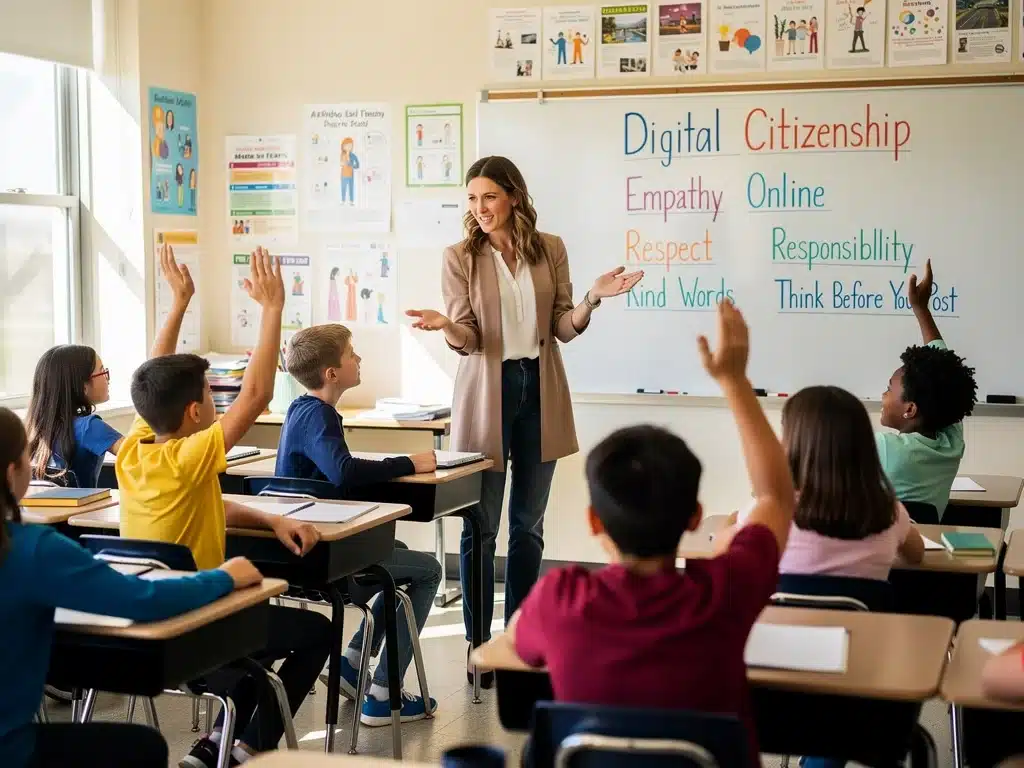
Educator Response: Incident Protocols and Support
Schools need clear, well-communicated protocols for responding to cyberbullying incidents. This ensures consistency, fairness, and effective resolution.
- Clear Reporting System: Maintain an accessible and confidential system for students, parents, and staff to report cyberbullying.
- Investigative Procedures: Establish clear steps for investigating reported incidents, including gathering evidence, interviewing involved parties, and determining appropriate consequences.
- Support for Victims and Perpetrators: Provide counseling and support services for students who have been bullied, and implement restorative justice practices or educational interventions for those who have engaged in bullying behavior.
Collaboration with parents is essential during this phase, ensuring a unified approach to addressing the incident and supporting all students involved.
Building a Sustainable Anti-Cyberbullying Culture
Combating cyberbullying is not a one-time effort but an ongoing commitment. The third month also emphasizes creating a sustainable culture of digital safety and respect that extends beyond the initial action plan.
This includes continuous education, adapting to new technologies, and fostering strong community partnerships.
Continuous Education and Adaptation
The digital world never stands still, so our approaches to cyberbullying cannot either. Continuous learning is vital for both adults and young people.
- Stay Informed: Regularly research new platforms, trends, and cyberbullying tactics. Subscribe to reputable digital safety newsletters and attend webinars.
- Review and Update Policies: Schools should periodically review and update their anti-bullying policies to reflect current digital realities and best practices.
- Parent Workshops: Host regular workshops for parents on emerging digital challenges, new parental control tools, and effective communication strategies.
By embracing a mindset of continuous learning, parents and educators can remain agile and effective in protecting young people online.
Community Partnerships and Resources
No single entity can tackle cyberbullying alone. Building strong partnerships within the community amplifies impact and provides a broader network of support.
- Partner with Local Organizations: Collaborate with local law enforcement, mental health services, and youth organizations to leverage their expertise and resources.
- Utilize National Resources: Familiarize yourselves with national organizations dedicated to cyberbullying prevention and support, such as StopBullying.gov or The Cyberbullying Research Center.
- Foster Peer Support Networks: Encourage the development of student-led initiatives and peer support groups within schools to create a supportive environment where students can help each other.
These partnerships create a safety net that extends beyond the classroom and home, providing comprehensive support for young people facing cyberbullying.
By the end of Month 3, the goal is to have not only addressed immediate cyberbullying concerns but also embedded a proactive, responsive, and sustainable framework within homes and schools. This comprehensive approach ensures that young people are equipped with the knowledge and support needed to thrive in their digital lives, making communities safer and more empathetic online spaces for everyone.
| Key Month Focus | Brief Description |
|---|---|
| Month 1: Foundation Building | Focus on awareness, open communication, and initial digital citizenship education for parents and educators. |
| Month 2: Skill Development | Equipping youth with digital resilience, critical thinking, and implementing parental safeguards and school intervention strategies. |
| Month 3: Intervention & Support | Effective incident response, ongoing emotional support, and fostering long-term sustainable anti-cyberbullying culture. |
Frequently Asked Questions About Combating Cyberbullying
The immediate first step for parents is to ensure their child feels safe and supported, reassuring them it’s not their fault. Then, document all instances of cyberbullying with screenshots and details, and report it to the platform and school if appropriate.
Educators can integrate prevention by teaching digital citizenship, online etiquette, and empathy through interactive lessons. Establishing clear reporting mechanisms and fostering a supportive classroom environment where students feel comfortable discussing online issues are also crucial.
Digital agreements, created collaboratively between parents and children, set clear expectations for online behavior, screen time, and privacy. They foster a sense of responsibility and can prevent many issues, including cyberbullying, by establishing boundaries and consequences.
It is critically important. Cyberbullies often migrate to newer, less monitored platforms. Staying informed helps parents and educators understand where and how young people are interacting online, allowing for more targeted prevention and intervention strategies to be developed.
Victims can access school counselors, mental health professionals, and national organizations like StopBullying.gov. Platforms themselves offer reporting tools. Parents and educators should also ensure a strong support network of trusted adults and peers is available.
Conclusion
The comprehensive 3-month action plan for combating cyberbullying action plan presented here offers a structured, proactive approach for parents and educators in 2026. By focusing on awareness, skill development, and effective intervention, we can collectively create safer and more supportive digital environments for Generation Z. This journey requires continuous effort, open communication, and a commitment to adapting as the digital landscape evolves, ensuring our young people can navigate their online lives with confidence and resilience.