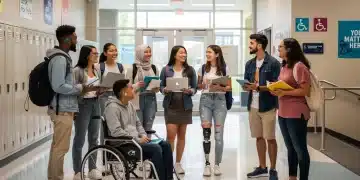
Addressing Educational Disparities: 3 Key Strategies for Equity
Advertisements
Achieving educational equity by January 2026 requires targeted interventions, including enhanced resource allocation, culturally responsive pedagogy, and comprehensive social-emotional support for students in US schools.
The landscape of education in the United States faces persistent challenges, particularly concerning equitable access and outcomes for all students. Addressing educational disparities: 3 key strategies for equity in US schools by January 2026 is not merely an aspirational goal but an urgent imperative to ensure every child, especially those from Generation Z, receives the quality education they deserve. This article delves into critical strategies that can reshape the future of learning, fostering an inclusive and supportive environment for all.
Advertisements
Understanding the roots of educational disparities
Educational disparities in the US are complex, deeply embedded in socioeconomic, historical, and systemic factors. These inequalities manifest in various forms, from unequal access to resources and qualified teachers to biased curricula and inadequate support systems. Understanding these foundational issues is the first step toward crafting effective, sustainable solutions.
The impact of these disparities is profound, often perpetuating cycles of disadvantage. Students from low-income families, racial and ethnic minority groups, and those with special needs frequently encounter significant barriers that hinder their academic progress and overall well-being. These barriers are not isolated incidents but rather interconnected challenges that demand a holistic approach for meaningful change. It’s essential to recognize that these issues extend beyond the classroom, touching upon community resources, family stability, and societal expectations.
Socioeconomic factors and their influence
One of the most significant drivers of educational disparity is socioeconomic status. Children growing up in poverty often attend underfunded schools, which typically lack essential resources such as up-to-date technology, well-maintained facilities, and highly experienced educators. This resource gap directly impacts the quality of instruction and the breadth of opportunities available to students.
- Limited access to early childhood education programs.
- Fewer experienced and highly qualified teachers.
- Outdated textbooks and insufficient learning materials.
- Lack of extracurricular activities and enrichment programs.
Furthermore, socioeconomic challenges often extend into the home environment, affecting a child’s ability to focus on schoolwork. Factors like food insecurity, unstable housing, and limited access to healthcare can create significant stress and interfere with learning. Schools in these communities often bear the brunt of addressing these broader social issues, often with insufficient funding and support.
Systemic inequalities and historical context
Beyond socioeconomic factors, systemic inequalities rooted in historical injustices continue to shape the educational landscape. Segregation, both de jure and de facto, has left a lasting legacy of unequal school systems. Policies that have historically disadvantaged certain groups have created persistent gaps in educational outcomes that are still visible today. These historical patterns are not easily undone and require deliberate, concentrated efforts to dismantle.
The consequences of these historical patterns are far-reaching. They influence funding distribution, teacher assignments, curriculum development, and even the disciplinary practices within schools. Addressing these systemic issues requires a deep understanding of their origins and a commitment to implementing policies that actively promote equity rather than merely addressing symptoms. True equity means confronting uncomfortable truths about how our systems have been built.
In conclusion, educational disparities are a multifaceted problem stemming from a confluence of socioeconomic disadvantages and deeply entrenched systemic inequalities. A genuine commitment to equity requires not only acknowledging these roots but also actively working to dismantle the barriers they create, ensuring every student has a fair chance to succeed in the US educational system.
Strategy 1: equitable resource allocation and funding reform
One of the most direct pathways to addressing educational disparities is through comprehensive reform of resource allocation and school funding models. The current system often perpetuates inequality, with property taxes heavily influencing school budgets, leading to significant disparities between affluent and low-income districts. By January 2026, a concerted effort to redistribute resources more equitably is paramount to leveling the playing field for all students.
Equitable funding does not simply mean equal funding; it means providing each school and student with the resources they need to succeed, taking into account differing needs and challenges. This often implies a greater investment in schools serving disadvantaged populations, as these schools typically require more support to overcome existing barriers. Without adequate resources, even the most dedicated educators face an uphill battle.
Reforming funding formulas for fairness
Many states rely heavily on local property taxes to fund schools, which inherently creates a system where wealthier communities have more resources than poorer ones. Reforming these funding formulas to prioritize student needs over local wealth is a critical step. This might involve state-level initiatives to supplement funding for low-income districts or implementing progressive funding models that allocate more per-pupil dollars to students with greater needs.
- Implementing weighted student funding formulas.
- Increasing state and federal funding for high-needs schools.
- Reducing reliance on local property taxes for school budgets.
- Establishing transparent accountability measures for resource use.
These reforms aim to ensure that every school, regardless of its zip code, has the necessary funds to provide a high-quality education. This includes funding for essential programs, updated technology, and competitive salaries to attract and retain top teaching talent. The goal is to break the cycle where poverty dictates educational opportunity.
Investing in high-quality educators and facilities
Beyond general funding, equitable resource allocation must specifically target the recruitment and retention of high-quality educators in underserved communities. These schools often struggle to attract experienced teachers due to lower salaries, challenging working conditions, and lack of professional development opportunities. Strategic investments can reverse this trend.
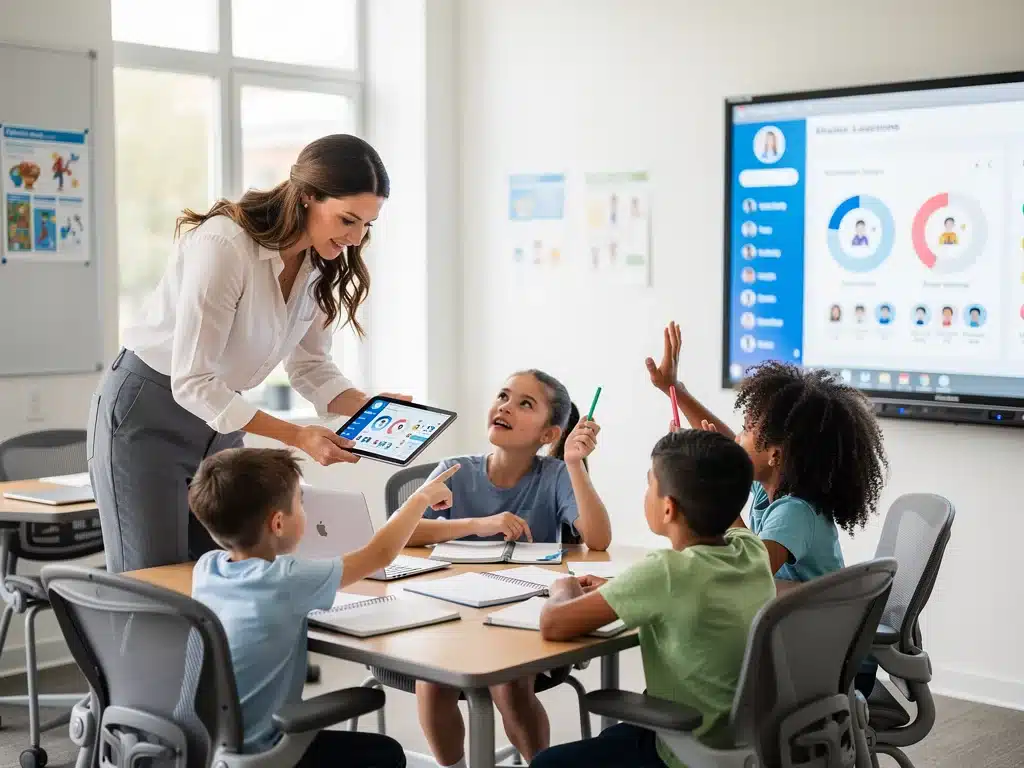
Furthermore, many schools in disadvantaged areas suffer from dilapidated infrastructure, lacking modern facilities and basic amenities. Investing in school modernization, including safe and healthy learning environments, access to technology, and updated learning spaces, is crucial for student engagement and academic performance. A modern learning environment signals to students that their education is valued and important.
In summary, equitable resource allocation and funding reform are foundational to addressing educational disparities. By re-evaluating and restructuring how schools are funded and ensuring that resources are directed where they are most needed, the US can move closer to providing every student with a fair and excellent educational experience by January 2026.
Strategy 2: culturally responsive pedagogy and curriculum development
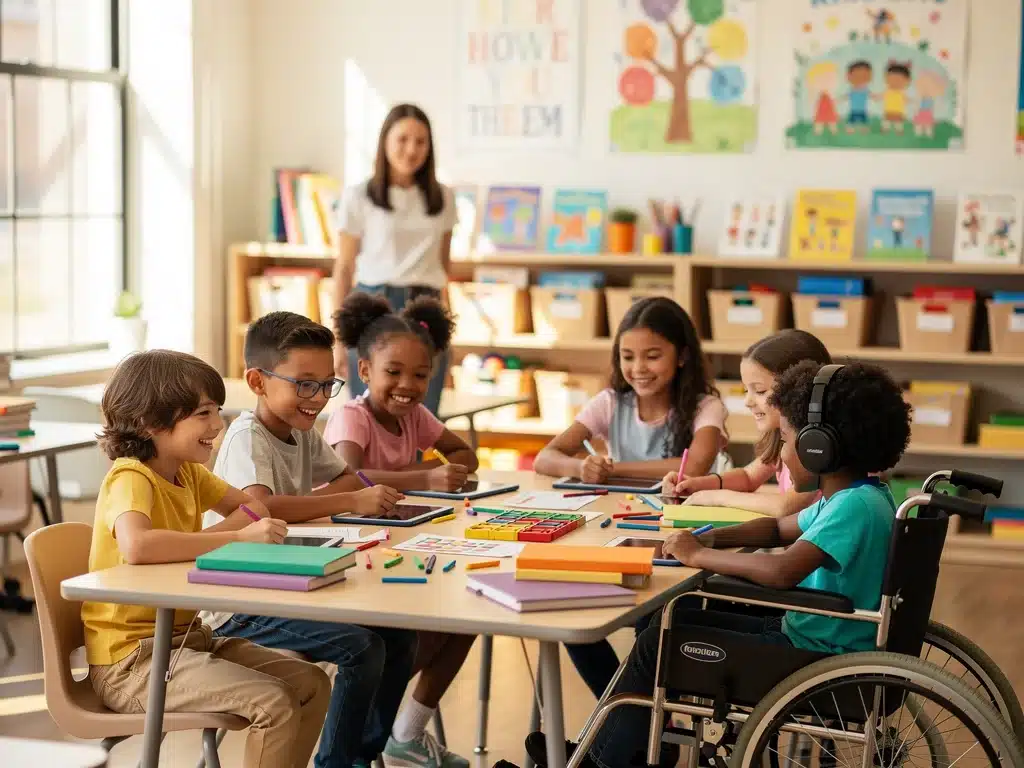
To genuinely foster equity, schools must adopt culturally responsive pedagogy and develop curricula that reflect the diverse backgrounds and experiences of all students. This strategy moves beyond simply acknowledging diversity; it actively leverages students’ cultural knowledge, experiences, and perspectives as assets in the learning process. By January 2026, integrating this approach broadly across US schools will be crucial for addressing educational disparities and making learning relevant and engaging for every child.
Culturally responsive teaching recognizes that not all students learn in the same way or bring the same background knowledge to the classroom. It challenges traditional, often Eurocentric, educational models by incorporating diverse voices, histories, and perspectives into daily instruction. This approach helps students see themselves and their communities reflected in their learning, which can significantly boost engagement, motivation, and academic achievement.
Developing inclusive curricula
An inclusive curriculum goes beyond adding a few diverse books to a reading list. It involves a fundamental rethinking of what is taught and how it is presented. This means incorporating diverse historical narratives, scientific contributions from various cultures, and literature that represents a wide range of human experiences. When students see their own cultures and identities valued in the curriculum, they are more likely to feel a sense of belonging and relevance.
- Integrating diverse perspectives across all subject areas.
- Including historical narratives from marginalized communities.
- Featuring literature and art from various cultural backgrounds.
- Providing opportunities for students to explore their own cultural heritage.
Curriculum development should also involve community input, ensuring that the content is relevant and meaningful to the students it serves. This collaborative process helps to create a curriculum that is not only academically rigorous but also culturally affirming and empowering.
Empowering teachers with cultural competence
For culturally responsive pedagogy to be effective, educators must be equipped with the knowledge, skills, and dispositions to implement it. This requires ongoing professional development that focuses on cultural competence, implicit bias training, and strategies for creating inclusive classroom environments. Teachers need to understand how students’ cultural backgrounds influence their learning styles and behaviors.
Professional development should also emphasize the importance of building strong relationships with students and their families, fostering a sense of trust and mutual respect. When teachers understand and appreciate their students’ cultural contexts, they can better tailor their instruction to meet individual needs and create a more supportive learning environment. This is particularly important for Generation Z, who value authenticity and connection.
Ultimately, culturally responsive pedagogy and curriculum development are vital components of addressing educational disparities. By valuing and integrating the rich diversity of students’ backgrounds, schools can create more equitable, engaging, and effective learning experiences that prepare all students for success by January 2026.
Strategy 3: comprehensive social-emotional learning and support systems
Beyond academics, the holistic development of students requires robust social-emotional learning (SEL) programs and comprehensive support systems. For Generation Z, who navigate an increasingly complex and interconnected world, social-emotional well-being is intrinsically linked to academic success. By January 2026, integrating SEL and comprehensive support into the fabric of US schools will be a cornerstone of addressing educational disparities and fostering resilient, well-adjusted learners.
Many students, especially those from disadvantaged backgrounds, face significant stressors outside of school that impact their ability to learn. Trauma, poverty, family instability, and systemic discrimination can all contribute to mental health challenges and hinder academic engagement. Effective SEL programs teach students critical skills like self-awareness, self-management, social awareness, relationship skills, and responsible decision-making, which are essential for navigating these challenges.
Implementing universal SEL programs
Universal SEL programs should be integrated across all grade levels, from early childhood through high school. These programs provide explicit instruction in social-emotional competencies, helping students develop the skills needed to manage emotions, set goals, empathize with others, and resolve conflicts constructively. When SEL is embedded into the daily routine, it becomes a natural part of the learning environment rather than an add-on.
- Daily check-ins to monitor student emotional states.
- Conflict resolution and peer mediation training.
- Mindfulness and stress-reduction techniques.
- Opportunities for collaborative projects and teamwork.
These skills are not only beneficial for personal development but also contribute to a positive school climate, reducing disciplinary issues and fostering a sense of community. A positive school environment is one where students feel safe, supported, and valued, which is fundamental for effective learning.
Expanding mental health and wraparound services
For students facing more significant social-emotional challenges, universal SEL programs may not be enough. Schools must expand access to mental health services, including on-site counselors, psychologists, and social workers. These professionals can provide individualized support, crisis intervention, and referrals to external resources when needed. Early identification and intervention are key to preventing minor issues from escalating.
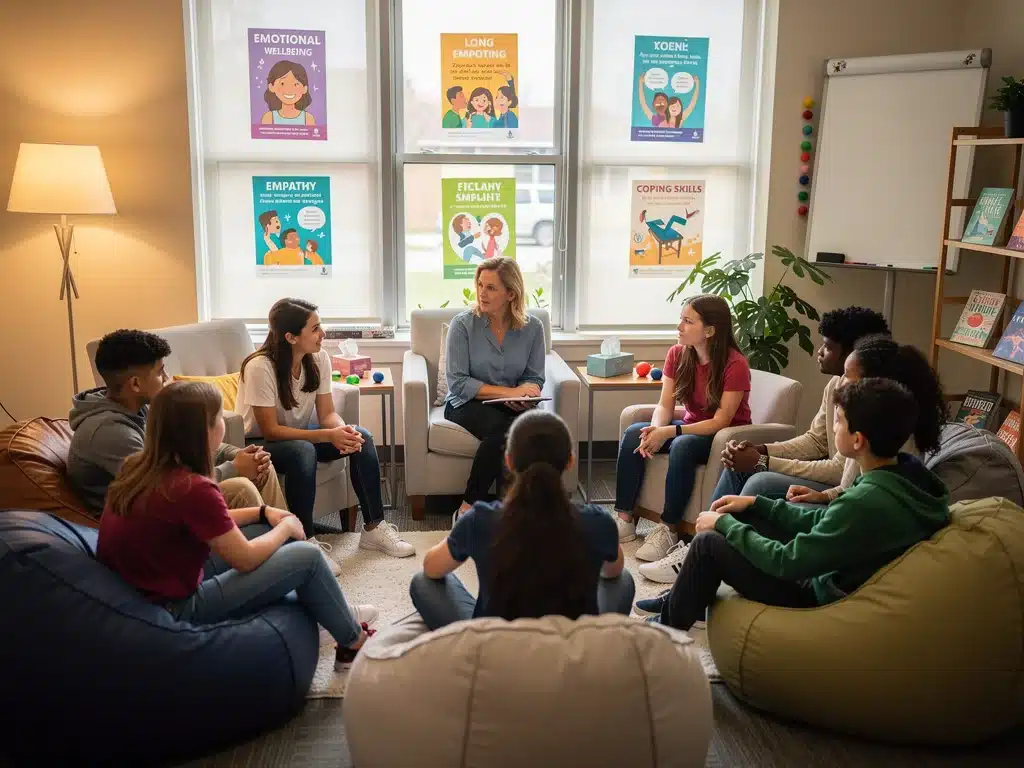
Wraparound services address non-academic barriers to learning by connecting students and families with community resources. This can include partnerships with healthcare providers, housing assistance programs, food banks, and after-school programs. By addressing the whole child and their family’s needs, schools can create a more stable foundation for academic success. This integrated approach ensures that students receive support not just within the school walls but also within their broader lives.
In conclusion, comprehensive social-emotional learning and robust support systems are indispensable for addressing educational disparities. By prioritizing students’ well-being and providing the necessary tools and resources, US schools can empower Generation Z to thrive academically, socially, and emotionally by January 2026, creating a more equitable and supportive educational future.
Leveraging technology for equitable access and personalized learning
Technology holds immense potential to bridge educational gaps and provide personalized learning experiences, making it a powerful tool for addressing educational disparities. By January 2026, strategic integration of technology can ensure that all students, regardless of their background, have access to high-quality learning resources and tailored instruction. This involves not just providing devices but thoughtfully implementing digital tools that enhance engagement and cater to individual learning needs.
The COVID-19 pandemic starkly highlighted the digital divide, revealing that many students lacked access to reliable internet and devices necessary for remote learning. Moving forward, efforts must focus on closing this gap, ensuring that technology serves as an equalizer rather than another source of disparity. Effective technology integration can transform classrooms, offering new ways to learn, collaborate, and demonstrate understanding.
Bridging the digital divide
Ensuring equitable access to technology starts with providing every student with necessary devices and reliable internet connectivity, both at school and at home. This may involve school districts providing laptops or tablets, establishing community Wi-Fi hotspots, or partnering with internet service providers to offer affordable access to families. Without this foundational access, other technological interventions will fall short.
- Providing individual devices (laptops, tablets) to all students.
- Expanding broadband internet access in underserved communities.
- Offering technical support and digital literacy training for families.
- Developing accessible online learning platforms for all students.
Beyond basic access, it’s crucial to equip students and teachers with the skills to effectively use technology for learning. Digital literacy programs for both students and educators are essential to maximize the benefits of these tools and prepare students for a technology-driven future. This ensures that technology is not just present, but actively utilized to enhance learning outcomes.
Personalized learning pathways
Technology enables personalized learning on an unprecedented scale. Adaptive learning platforms can assess a student’s strengths and weaknesses, then deliver content and exercises tailored to their individual pace and learning style. This individualized approach is particularly beneficial for students who may struggle in traditional classroom settings or those who need accelerated challenges. It allows educators to meet students exactly where they are in their learning journey.
Artificial intelligence (AI) and data analytics can further enhance personalization by providing teachers with insights into student performance and engagement, allowing for more targeted interventions and differentiated instruction. These tools can help identify learning gaps early and provide resources to address them before they become significant barriers. By leveraging these powerful tools, educators can create dynamic and responsive learning environments.
In conclusion, leveraging technology for equitable access and personalized learning is a vital strategy for addressing educational disparities. By ensuring universal digital access and implementing adaptive learning tools, US schools can create more inclusive and effective learning environments that cater to the diverse needs of Generation Z by January 2026, preparing them for future success.
Community engagement and family partnerships
Effective addressing educational disparities is not solely the responsibility of schools; it requires strong partnerships with families and active engagement with the broader community. By January 2026, fostering collaborative relationships will be key to creating a supportive ecosystem around students, recognizing that learning extends far beyond the classroom walls. When schools, families, and communities work together, students benefit from a more cohesive and reinforcing environment.
Many families, particularly those from marginalized backgrounds, may feel disconnected from the school system due to language barriers, cultural differences, or negative past experiences. Building trust and open lines of communication is paramount to overcoming these hurdles. Engaging families as true partners in their children’s education can significantly improve student outcomes, attendance, and overall well-being.
Building strong home-school connections
Schools must proactively reach out to families, creating welcoming environments and accessible communication channels. This includes providing information in multiple languages, hosting parent workshops on topics relevant to their children’s education, and offering flexible meeting times. Regular, positive communication about student progress and school initiatives can strengthen the bond between home and school.
- Establishing family resource centers within schools.
- Implementing culturally sensitive communication strategies.
- Offering workshops on navigating the education system.
- Creating parent advisory committees for school decision-making.
Beyond formal communication, fostering informal opportunities for parents to connect with teachers and school staff can build a sense of community. This could involve school-wide events, volunteer opportunities, or even simple check-ins. When parents feel valued and informed, they are better equipped to support their children’s learning journey.
Engaging community organizations and resources
Schools are integral parts of their communities, and successful equity initiatives often involve leveraging local resources. Partnering with community organizations can provide students and families with access to a wide range of services, including tutoring, mentorship programs, healthcare, and recreational activities. These partnerships can fill gaps that schools alone may not be able to address.
Local businesses, non-profits, and higher education institutions can offer valuable support, from internships and career exploration opportunities to specialized academic programs. These collaborations enrich the educational experience, connecting classroom learning to real-world applications and opening doors for future success. By weaving schools into the fabric of the community, a network of support is created that benefits everyone involved.
In conclusion, robust community engagement and strong family partnerships are critical for addressing educational disparities. By actively involving all stakeholders in the educational process, US schools can create a comprehensive support system that nurtures every student’s potential by January 2026, fostering a truly equitable and thriving learning environment.
Measuring progress and ensuring accountability
The implementation of these strategies for addressing educational disparities must be accompanied by rigorous measurement of progress and robust accountability mechanisms. By January 2026, it is imperative that US schools have clear metrics and transparent reporting systems in place to assess the effectiveness of equity initiatives and ensure that resources are being utilized efficiently and impactfully. Without clear accountability, even the best-intentioned efforts can lose momentum or fail to achieve their desired outcomes.
Measuring progress goes beyond traditional academic metrics; it encompasses a holistic view of student well-being, access, and opportunity. This requires collecting and analyzing disaggregated data to identify specific areas where disparities persist and to track improvements over time. Transparency in reporting these findings is crucial for building trust with communities and holding educational systems accountable for their commitments.
Establishing clear metrics and data collection
To effectively measure progress, schools and districts must establish clear, measurable metrics that go beyond standardized test scores. These metrics should include indicators related to resource equity, teacher diversity and retention, student access to advanced coursework, disciplinary rates, graduation rates, and social-emotional well-being. Collecting disaggregated data by race, socioeconomic status, disability, and language proficiency is essential to pinpoint specific disparities.
- Tracking per-pupil spending across different schools.
- Monitoring student access to technology and advanced courses.
- Analyzing suspension and expulsion rates by demographic groups.
- Assessing student and family satisfaction with school support services.
Regular analysis of this data will allow educators and policymakers to identify trends, evaluate the impact of interventions, and make data-driven adjustments to their strategies. This iterative process ensures that efforts remain focused and responsive to the evolving needs of students, particularly those from Generation Z.
Implementing transparent accountability frameworks
Accountability frameworks should be multi-faceted, involving both internal school reviews and external oversight. Schools need to regularly self-assess their equity efforts, engaging staff, students, and families in the evaluation process. External accountability can come from state education agencies, independent oversight bodies, and community advisory groups. Public reporting of progress, or lack thereof, fosters transparency and encourages sustained effort.
Accountability also means ensuring that funding is tied to equitable outcomes. This could involve performance-based funding models that reward schools for closing achievement gaps or require corrective action plans for those that consistently fail to address disparities. Ultimately, accountability is about creating a system where every school is responsible for ensuring that all students have the opportunity to succeed, and where progress towards equity is a shared priority for all stakeholders.
In conclusion, measuring progress and ensuring accountability are indispensable for the long-term success of initiatives aimed at addressing educational disparities. By establishing clear metrics, collecting disaggregated data, and implementing transparent accountability frameworks, US schools can effectively monitor their journey towards equity and ensure that every student receives the education they deserve by January 2026.
| Key Strategy | Brief Description |
|---|---|
| Equitable Resource Allocation | Reforming school funding formulas to ensure all schools, especially high-needs ones, receive adequate resources. |
| Culturally Responsive Pedagogy | Developing curricula and teaching methods that acknowledge and leverage students’ diverse cultural backgrounds. |
| Social-Emotional Support | Implementing comprehensive SEL programs and expanding mental health services for student well-being. |
| Technology & Community Engagement | Bridging the digital divide and fostering strong partnerships with families and community organizations. |
Frequently asked questions about educational equity
Educational disparities in US schools primarily stem from socioeconomic factors, such as unequal resource allocation driven by property taxes, and systemic inequalities rooted in historical injustices. These issues lead to differences in school funding, teacher quality, and access to essential learning resources, disproportionately affecting marginalized student populations.
Culturally responsive pedagogy addresses equity by integrating students’ diverse cultural backgrounds, experiences, and perspectives into the curriculum and teaching methods. This approach makes learning more relevant and engaging, fostering a sense of belonging and improving academic outcomes by validating students’ identities and knowledge systems within the educational setting.
Social-emotional learning (SEL) is crucial for Generation Z because they navigate a complex, interconnected world, often facing unique stressors. SEL equips them with skills like self-awareness, emotional management, and relationship building, which are vital for academic success, mental well-being, and resilience, especially for students from disadvantaged backgrounds facing additional challenges.
Technology plays a vital role by bridging the digital divide, ensuring all students have access to devices and internet connectivity. It also enables personalized learning through adaptive platforms, tailoring instruction to individual needs and paces. This provides equitable access to high-quality resources and supports diverse learning styles, making education more accessible and effective for everyone.
Community engagement enhances educational equity by creating a supportive ecosystem around students. Strong partnerships between schools, families, and local organizations provide essential resources, mentorship, and wraparound services. This collaboration addresses non-academic barriers to learning, builds trust, and ensures students receive holistic support, fostering better academic and life outcomes.
Conclusion
The journey towards addressing educational disparities: 3 key strategies for equity in US schools by January 2026 is not a simple one, but it is an achievable and necessary endeavor. By focusing on equitable resource allocation, implementing culturally responsive pedagogy, and bolstering comprehensive social-emotional support systems, US schools can create an educational landscape where every student, particularly those of Generation Z, has the opportunity to thrive. These strategies, coupled with robust technology integration and meaningful community engagement, form a powerful framework for systemic change. The commitment to these reforms will not only foster academic success but also cultivate a generation of resilient, engaged, and equitable citizens, ensuring a brighter future for all.