Re-engaging Gen Z: Educational Psychology Strategies

Advertisements
Educational psychology offers potent strategies to combat ‘quiet quitting’ among Gen Z students, aiming for an 18% re-engagement increase this year by fostering belonging, relevance, and self-efficacy in learning environments.
The phenomenon of quiet quitting, where individuals do the bare minimum required without genuine enthusiasm or extra effort, has permeated educational settings, particularly among Gen Z students. This article delves into the psychological underpinnings of this trend and offers actionable educational psychology strategies to re-engage Gen Z students, with an ambitious goal of boosting their participation and enthusiasm by 18% this year. Understanding their unique motivations and challenges is the first step toward fostering a more dynamic and meaningful learning experience.
Advertisements
Understanding Gen Z and ‘Quiet Quitting’ in Education
Gen Z, born roughly between 1997 and 2012, has grown up in a hyper-connected, rapidly changing world. This generation often prioritizes authenticity, social justice, and mental well-being, influencing their approach to education and work. ‘Quiet quitting’ in an academic context manifests as students completing assignments without investing fully, disengaging from classroom discussions, or showing minimal interest beyond passing grades. This behavior is not necessarily a sign of laziness but often reflects a deeper disconnect from the learning process or the perceived value of their education.
Several factors contribute to this academic ‘quiet quitting.’ The pressure to perform in a competitive world, coupled with concerns about future job prospects and mental health, can lead to burnout and apathy. Traditional teaching methods may also fail to resonate with a generation accustomed to personalized, interactive digital experiences. Educational psychology provides a framework for understanding these underlying issues, allowing educators to tailor interventions that address the root causes of disengagement rather than just the symptoms.
The Digital Native Mindset
Gen Z are true digital natives, having never known a world without the internet. This shapes their learning preferences, often favoring interactive, visual, and collaborative approaches. They expect instant access to information and personalized content, which traditional educational models sometimes struggle to deliver. Ignoring this fundamental characteristic can inadvertently contribute to their disengagement, as they may perceive the learning environment as outdated or irrelevant.
- Instant Gratification: Accustomed to quick feedback and immediate access to information.
- Visual Learning: Preferring multimedia content over text-heavy materials.
- Collaborative Platforms: Thriving in environments that foster peer interaction and group projects.
- Personalized Experiences: Expecting content and pace tailored to individual needs and interests.
Addressing these preferences is crucial. Educational institutions must adapt to incorporate more technology-driven, interactive, and personalized learning experiences. This doesn’t mean abandoning foundational teaching principles but rather integrating them with modern tools and methodologies that speak to the Gen Z mindset. By doing so, educators can transform passive consumption into active participation, making learning feel more relevant and engaging.
The ‘quiet quitting’ trend among Gen Z students underscores a critical need for educators to re-evaluate their pedagogical approaches. It calls for a deeper understanding of this generation’s unique psychological landscape, their aspirations, anxieties, and how they interact with the world. By recognizing these nuances, educators can begin to build bridges between traditional learning and the dynamic expectations of Gen Z, fostering environments where students are not just present, but truly engaged and invested in their educational journey.
Fostering a Sense of Belonging and Community
A key psychological need for Gen Z, like all humans, is belonging. Feeling connected to their peers and educators can significantly impact their motivation and engagement. When students feel isolated or like their contributions don’t matter, they are more likely to withdraw, leading to ‘quiet quitting.’ Creating inclusive and supportive learning communities is therefore paramount to re-engage Gen Z students effectively.
This involves more than just group projects; it requires intentional efforts to build trust, empathy, and mutual respect within the classroom. Educators can facilitate this by encouraging open communication, valuing diverse perspectives, and creating opportunities for students to connect on a deeper level. When students feel seen, heard, and valued, their intrinsic motivation to participate and excel naturally increases.
Strategies for Community Building
Building a strong sense of community within educational settings involves deliberate actions from educators. It’s about cultivating an environment where every student feels they have a place and a voice. Simple yet effective strategies can make a significant difference in how connected students feel to their learning environment and to each other.
- Icebreakers and Team-Building Activities: Regular, low-stakes activities help students get to know each other and build rapport.
- Collaborative Learning Spaces: Designing classrooms that encourage movement, discussion, and peer-to-peer interaction.
- Mentorship Programs: Pairing older students with younger ones, or even peer-to-peer mentoring within the same class, can foster connections.
- Inclusive Curriculum: Ensuring that course materials reflect diverse experiences and perspectives, making all students feel represented.
These strategies help to dismantle barriers that lead to isolation and apathy. When students feel like they are part of a team or a supportive network, they are more likely to take risks, ask questions, and invest their energy into learning. The psychological safety provided by a strong community allows them to move beyond the fear of failure, fostering a growth mindset crucial for deep learning.
Ultimately, fostering belonging is about recognizing the social and emotional dimensions of learning. It’s about creating a space where students can thrive not just academically, but also personally. By prioritizing community building, educators can significantly reduce the incidence of ‘quiet quitting’ and instead cultivate a vibrant, engaged learning environment where Gen Z students feel motivated to contribute their best.
Enhancing Relevance and Purpose in Learning
Gen Z students are highly pragmatic and purpose-driven; they want to understand the ‘why’ behind their learning. If they don’t perceive the relevance of a subject to their lives or future goals, their engagement wanes, leading to ‘quiet quitting.’ Connecting curriculum to real-world applications and future career paths is crucial for capturing their attention and sustaining their motivation to re-engage Gen Z students.
Educational psychology emphasizes the importance of intrinsic motivation, which is often fueled by a sense of purpose and autonomy. When students understand how their learning contributes to solving real-world problems or achieving personal aspirations, they are far more likely to invest themselves fully. This requires educators to move beyond rote memorization and towards experiential, problem-based learning.
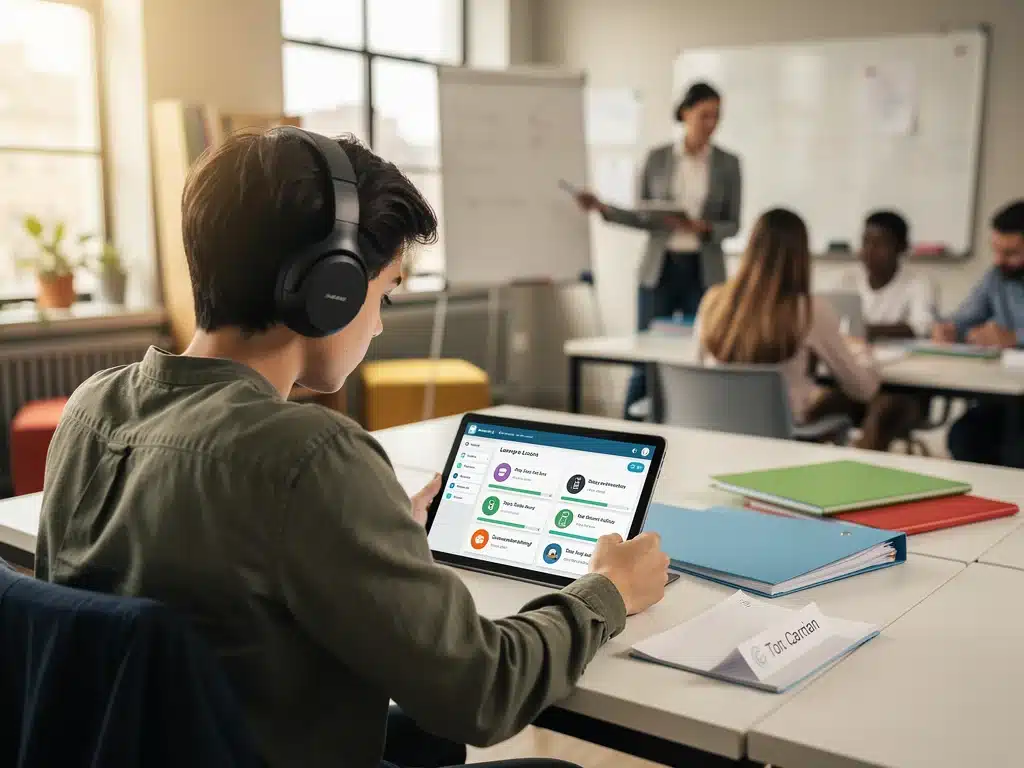
Connecting Learning to Real-World Impact
To make learning relevant, educators must bridge the gap between theoretical knowledge and practical application. This means going beyond textbook examples and incorporating current events, local community issues, and global challenges into the curriculum. When students can see the tangible impact of their learning, it becomes more meaningful and engaging.
- Project-Based Learning (PBL): Students work on extended projects that tackle real-world problems, fostering critical thinking and collaboration.
- Case Studies and Simulations: Presenting realistic scenarios that require students to apply their knowledge to make decisions and solve problems.
- Guest Speakers and Field Trips: Bringing in professionals from various fields or visiting workplaces to show how academic concepts are used in practice.
- Service Learning: Integrating community service with academic instruction, allowing students to apply skills to address community needs.
By making learning directly applicable, educators can transform abstract concepts into tangible experiences. This not only increases engagement but also helps Gen Z students develop valuable skills like problem-solving, critical thinking, and collaboration, which are highly sought after in the modern workforce. The sense of purpose derived from these experiences can be a powerful antidote to academic apathy.
Ultimately, educators must act as facilitators, guiding students to discover the inherent value and relevance of their education. When Gen Z students feel that their learning has a direct impact on their personal growth, their community, or the wider world, they are more likely to shed the ‘quiet quitting’ mindset and embrace a proactive, engaged approach to their studies. This shift is vital for preparing them to be active and responsible citizens.
Empowering Autonomy and Self-Efficacy
A significant factor in student engagement is the feeling of control over their learning journey. Gen Z thrives on autonomy and choice; when they feel micromanaged or that their learning path is entirely prescribed, their motivation can plummet. Educational psychology highlights that empowering students with choices and fostering a strong sense of self-efficacy—the belief in one’s capacity to succeed—are crucial for active participation and combating ‘quiet quitting.’
Providing opportunities for student voice and choice allows them to take ownership of their education, making them more invested in the outcomes. This doesn’t mean a free-for-all, but rather structured opportunities where students can select topics, choose project formats, or even set personal learning goals. When students believe they have the skills and ability to succeed, they are more likely to persevere through challenges and engage deeply with complex material.
Strategies for Student Empowerment
Empowering students involves a shift from a teacher-centric to a student-centric approach. It’s about trusting students to make informed decisions about their learning and providing the scaffolding they need to succeed. This fosters not only engagement but also critical life skills such as decision-making and self-regulation.
- Choice in Assignments: Allowing students to select from a range of assignment topics or formats that align with their interests.
- Goal Setting: Teaching students how to set realistic and challenging academic goals, and providing tools to track their progress.
- Flexible Learning Paths: Offering differentiated instruction and resources that cater to various learning styles and paces.
- Self-Assessment and Reflection: Encouraging students to evaluate their own work and reflect on their learning process, promoting metacognition.
By implementing these strategies, educators can cultivate an environment where students feel respected and capable. This increased sense of autonomy directly contributes to higher self-efficacy, as students see their efforts leading to tangible results. When students believe in their own abilities, they are less likely to disengage and more likely to seek out challenges, turning ‘quiet quitting’ into proactive learning.
Ultimately, empowering Gen Z students with autonomy and fostering self-efficacy transforms them from passive recipients of information into active participants in their own education. This not only improves academic outcomes but also equips them with essential skills for lifelong learning and personal growth, preparing them for a future where adaptability and self-direction are key to success.
Leveraging Technology for Engagement
Given Gen Z’s inherent digital fluency, technology is not merely a tool but an integral part of their world. To effectively re-engage Gen Z students, educators must strategically leverage educational technology to create dynamic, interactive, and personalized learning experiences. Ignoring the potential of technology in the classroom is a missed opportunity to connect with this generation on their own terms, contributing to their academic ‘quiet quitting.’
Educational psychology research consistently shows that well-integrated technology can enhance motivation, provide immediate feedback, and offer diverse learning pathways. From gamified learning platforms to virtual reality simulations, technology can transform abstract concepts into immersive experiences, making learning more enjoyable and memorable. The key lies in using technology purposefully, not just for the sake of it, but to achieve specific pedagogical goals.
Integrating Digital Tools Effectively
Effective technology integration goes beyond simply using computers or tablets in the classroom. It involves thoughtfully selecting and implementing digital tools that enhance learning outcomes, promote collaboration, and cater to diverse learning styles. The goal is to create a seamless blend of digital and traditional methods that maximizes engagement.
- Gamification: Incorporating game-like elements such as points, badges, leaderboards, and challenges into learning activities to boost motivation.
- Interactive Multimedia: Utilizing videos, simulations, and virtual labs that allow students to explore concepts hands-on.
- Personalized Learning Platforms: Employing adaptive learning software that adjusts content difficulty and pace based on individual student performance.
- Collaborative Online Tools: Using platforms for group projects, discussions, and shared document creation, mirroring real-world work environments.
By embracing these technological approaches, educators can create a learning environment that resonates with Gen Z’s digital native mindset. This not only makes learning more engaging but also prepares students for a future workforce that increasingly relies on digital literacy and collaborative online tools. The strategic use of technology can turn passive observers into active participants, directly combating the ‘quiet quitting’ phenomenon.
Ultimately, leveraging technology is about meeting Gen Z where they are and guiding them towards deeper learning. When technology is used to empower, personalize, and interact, it becomes a powerful ally in the quest to re-engage Gen Z students, transforming their educational journey into an exciting and relevant adventure. This proactive approach ensures that education remains dynamic and responsive to the evolving needs of its learners.
Prioritizing Mental Well-being and Support
Gen Z reports higher levels of anxiety and depression compared to previous generations, influenced by social media pressures, global crises, and academic expectations. Mental well-being directly impacts academic performance and engagement; students struggling with their mental health are more prone to ‘quiet quitting.’ Educational psychology emphasizes that creating a supportive environment that prioritizes mental well-being is not just compassionate, but essential for academic success and re-engaging Gen Z students.
Educators are increasingly on the front lines of recognizing and responding to student mental health needs. This involves fostering open conversations about mental health, reducing stigma, and ensuring students know where to access support. A holistic approach to education acknowledges that a student’s emotional state is as critical as their cognitive abilities in the learning process.

Creating a Supportive Mental Health Environment
Building a school or classroom culture that supports mental well-being requires continuous effort and a multi-faceted approach. It’s about integrating mental health awareness into the fabric of the educational experience, making it a regular part of the conversation rather than an afterthought. This helps to normalize seeking help and reduces feelings of isolation.
- Mindfulness and Stress Reduction Techniques: Incorporating short mindfulness exercises or breathing techniques into the daily routine to help students manage stress.
- Open Communication: Encouraging students to talk about their feelings and providing safe spaces for them to express concerns without judgment.
- Access to Resources: Ensuring students are aware of and have easy access to school counselors, mental health services, and external support networks.
- Reducing Academic Pressure: Re-evaluating grading policies and assignment loads to ensure they are fair and do not contribute excessively to student anxiety.
By actively prioritizing mental well-being, educational institutions can create a more resilient and engaged student body. When students feel mentally and emotionally supported, they are better equipped to handle academic challenges, participate actively, and find joy in learning. This proactive approach to mental health is a powerful strategy against ‘quiet quitting,’ fostering environments where Gen Z can truly thrive.
Ultimately, addressing the mental health crisis among Gen Z is a shared responsibility. Educators play a vital role in creating environments that not only educate but also nurture the emotional health of their students. By doing so, they not only re-engage Gen Z students but also equip them with invaluable coping mechanisms and a sense of self-worth that extends far beyond the classroom.
Personalized Learning and Differentiated Instruction
Gen Z students, having grown up with personalized digital experiences, often expect their learning to be similarly tailored. A one-size-fits-all approach to education can quickly lead to disengagement and ‘quiet quitting.’ Educational psychology strongly advocates for personalized learning and differentiated instruction as powerful strategies to re-engage Gen Z students by addressing their individual needs, interests, and learning styles.
This approach recognizes that every student is unique and learns differently. By customizing the pace, content, and methods of instruction, educators can make learning more accessible, relevant, and challenging for each student. When students feel that their individual learning journey is acknowledged and supported, they are more likely to invest their effort and overcome academic hurdles.
Implementing Tailored Educational Paths
Differentiated instruction is not about creating entirely separate lessons for each student, but rather about providing a variety of pathways for students to achieve common learning goals. This requires educators to be flexible, creative, and responsive to student feedback, continually adjusting their methods to meet diverse needs.
- Flexible Grouping: Grouping students based on readiness, interest, or learning profile for specific activities, allowing for targeted instruction.
- Tiered Assignments: Offering assignments with varying levels of complexity or different ways to demonstrate understanding, catering to diverse skill levels.
- Learning Stations/Centers: Setting up different stations where students can work on various activities at their own pace, focusing on different aspects of a topic.
- Individual Learning Plans (ILPs): Developing personalized plans for students who require additional support or advanced challenges, setting specific goals and strategies.
By implementing personalized learning and differentiated instruction, educators can create a more equitable and effective learning environment. This approach allows every student to feel successful and challenged at their appropriate level, fostering a sense of accomplishment and reducing the frustration that often leads to ‘quiet quitting.’ It transforms the classroom into a dynamic space where individual growth is celebrated.
Ultimately, personalized learning is about empowering students to take charge of their education, providing them with the tools and support they need to succeed on their own terms. When Gen Z students experience learning that feels uniquely designed for them, their engagement soars, and they are far more likely to become active, enthusiastic participants in their educational journey, far removed from the passive stance of ‘quiet quitting.’
Measuring and Sustaining Re-engagement
Implementing educational psychology strategies to re-engage Gen Z students is only half the battle; the other half involves systematically measuring their impact and developing mechanisms to sustain engagement over time. Without proper evaluation, it’s difficult to determine the effectiveness of interventions and make necessary adjustments. A data-driven approach ensures that efforts are targeted and yield the desired 18% increase in student participation and enthusiasm this year.
Sustaining engagement requires ongoing effort and a commitment to continuous improvement. It involves fostering a culture of feedback, both from students and educators, and being willing to adapt strategies based on observed outcomes. Educational psychology emphasizes that long-term change comes from systemic adjustments, not just isolated interventions.
Key Metrics and Continuous Improvement
To effectively measure and sustain re-engagement, educators need to identify clear metrics and establish regular feedback loops. This allows for timely adjustments and ensures that strategies remain relevant and effective in addressing the evolving needs of Gen Z students. Focusing on both quantitative and qualitative data provides a comprehensive picture of engagement levels.
- Attendance and Participation Rates: Tracking changes in physical presence and active involvement in class discussions and activities.
- Assignment Completion and Quality: Monitoring the consistency and thoroughness of submitted work, looking for improvements beyond the bare minimum.
- Student Surveys and Feedback: Regularly collecting qualitative data on student perceptions of relevance, support, and overall learning experience.
- Teacher Observations: Documenting changes in student demeanor, enthusiasm, and willingness to take on challenges in the classroom.
By consistently measuring these indicators, educators can gain valuable insights into what works and what needs refinement. This data-driven approach allows for evidence-based decision-making, ensuring that resources are allocated to the most impactful strategies. Sustaining engagement also involves celebrating successes, acknowledging student efforts, and continuously communicating the value of their education.
Ultimately, the goal is to create a self-perpetuating cycle of engagement where students feel motivated, supported, and see the tangible benefits of their active participation. By meticulously measuring and sustaining re-engagement efforts, educational institutions can transform the ‘quiet quitting’ trend into a vibrant culture of proactive learning and academic achievement for Gen Z students.
| Key Strategy | Brief Description |
|---|---|
| Foster Belonging | Create inclusive communities where students feel connected and valued, reducing isolation and apathy. |
| Enhance Relevance | Connect learning to real-world applications and future goals to boost intrinsic motivation and purpose. |
| Empower Autonomy | Provide choices and foster self-efficacy, allowing students ownership over their learning journey. |
| Prioritize Well-being | Support mental health and reduce academic pressure to create a resilient, engaged student body. |
Frequently Asked Questions About Gen Z Student Engagement
‘Quiet quitting’ for Gen Z students means doing the bare minimum required to pass, lacking genuine enthusiasm, and disengaging from active participation or deeper learning, often due to perceived irrelevance or burnout.
Digital natives, like Gen Z, prefer interactive, visual, and personalized learning experiences. They thrive with multimedia content, collaborative platforms, and expect immediate feedback, reflecting their digital upbringing.
A sense of belonging fulfills a fundamental psychological need, making students feel connected and valued. This reduces isolation, fosters psychological safety, and significantly boosts their intrinsic motivation to participate and excel.
Educators can enhance relevance by connecting curriculum to real-world issues, incorporating project-based learning, case studies, and service learning, demonstrating how academic concepts apply to their lives and future.
Mental well-being is critical for engagement. Students struggling with mental health are more likely to ‘quiet quit.’ Prioritizing support, reducing stigma, and fostering open communication creates a resilient learning environment.
Conclusion
Addressing the ‘quiet quitting’ trend: educational psychology strategies to re-engage Gen Z students is not merely an aspiration but a necessity for the future of education. By deeply understanding the unique psychological landscape of Gen Z—their digital fluency, desire for relevance, need for autonomy, and heightened awareness of mental well-being—educators can craft learning environments that inspire genuine participation. Implementing strategies focused on fostering belonging, enhancing purpose, empowering self-efficacy, leveraging technology, and prioritizing mental health offers a comprehensive roadmap. The ambitious goal of boosting re-engagement by 18% this year is achievable through consistent effort, adaptive strategies, and a commitment to creating dynamic, supportive, and relevant educational experiences that resonate with this pivotal generation. By doing so, we not only combat academic apathy but also equip Gen Z with the skills and resilience needed to thrive in an ever-evolving world.