Rethinking Inclusivity: US Schools Adapting to Gen Z in 2026
Advertisements
US schools are actively rethinking inclusivity to effectively adapt to Generation Z’s diverse identities by 2026, implementing comprehensive strategies for more supportive and equitable educational experiences.
Advertisements
In an era of rapid social evolution, understanding and adapting to the unique needs of Generation Z has become paramount, especially within educational institutions. The imperative to embrace and support the multifaceted identities of young people is driving significant shifts in educational policy and practice. By 2026, Rethinking Inclusivity: How US Schools are Adapting to Gen Z’s Diverse Identities in 2026 is not merely a progressive ideal but a critical necessity for fostering environments where every student can thrive.
understanding gen z’s diverse identities: a new educational imperative
Generation Z, born roughly between 1997 and 2012, is the most diverse generation in history. Their identities are shaped by an interconnected world, digital fluency, and a heightened awareness of social justice issues. This diversity extends beyond traditional categories, encompassing a broad spectrum of racial, ethnic, gender, sexual, and neurodivergent identities.
For US schools, this means moving beyond a one-size-fits-all approach to education. Educators are increasingly recognizing that true inclusivity requires understanding and validating each student’s unique experience. This generation often vocalizes their needs and expectations for environments that reflect their complex identities, making it essential for schools to listen and respond proactively.
the intersectionality of identity
Gen Z often experiences identity through an intersectional lens, meaning their various identities—such as race, gender, and socioeconomic status—combine to create unique experiences of both privilege and marginalization. Schools must acknowledge these overlapping identities to provide truly equitable support.
- Racial and Ethnic Diversity: More than half of Gen Z identifies as non-white, leading to calls for culturally responsive teaching and curricula that reflect a wider range of histories and perspectives.
- Gender and Sexual Diversity: Gen Z shows higher rates of identifying as LGBTQ+ than previous generations, necessitating inclusive policies, safe spaces, and gender-affirming practices.
- Neurodiversity: A growing understanding of conditions like ADHD, autism, and dyslexia means schools must implement tailored learning strategies and accommodations.
- Socioeconomic Status: Economic disparities continue to impact educational access and outcomes, requiring targeted support programs and resources.
The imperative for schools is to not only tolerate but celebrate this rich tapestry of identities. This involves ongoing professional development for staff, curriculum reforms, and the creation of physical and emotional spaces where all students feel seen, valued, and respected. Without such foundational understanding, efforts toward inclusivity risk being superficial and ineffective.
curriculum reforms and culturally responsive teaching
To truly meet the needs of Gen Z, US schools are undergoing significant curriculum reforms. This involves moving away from Eurocentric perspectives and incorporating diverse voices, histories, and experiences into every subject. Culturally responsive teaching is at the forefront of this movement, aiming to connect learning to students’ cultural backgrounds and lived realities.
These reforms are not just about adding new topics; they are about fundamentally shifting how subjects are taught. For instance, history lessons now explore multiple perspectives on historical events, and literature classes include works from a broader array of authors from different cultural backgrounds. This approach helps students see themselves reflected in their education, fostering deeper engagement and a sense of belonging.
integrating diverse narratives
The integration of diverse narratives is crucial for Gen Z students, who often seek relevance and authenticity in their learning. This means moving beyond token gestures and embedding inclusivity throughout the curriculum, making it an inherent part of the educational experience rather than an add-on.
- Inclusive History: Expanding historical narratives to include contributions and experiences of marginalized groups.
- Global Literature: Incorporating texts from various cultures and authors to broaden students’ perspectives.
- STEM Representation: Highlighting diverse scientists and innovators to inspire students from all backgrounds.
- Social-Emotional Learning (SEL): Integrating SEL programs that address identity, empathy, and respect for differences.
Furthermore, culturally responsive teaching emphasizes understanding students’ communication styles and learning preferences, which can vary across cultural backgrounds. Teachers are being trained to adapt their pedagogical methods to better engage all students, fostering a more dynamic and equitable learning environment. This intentional approach ensures that curriculum and teaching practices are aligned with the diverse realities of today’s student population.
fostering inclusive school environments and safe spaces
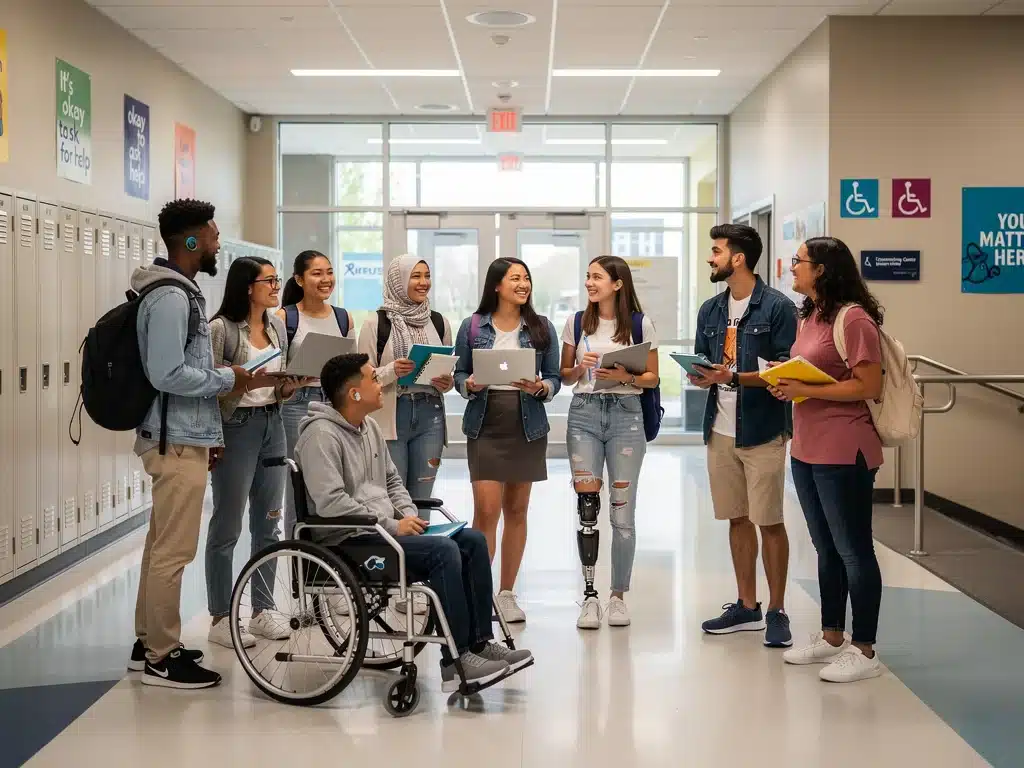
Creating physically and emotionally safe spaces is foundational to inclusivity for Gen Z. These students often prioritize mental well-being and psychological safety, expecting schools to be supportive sanctuaries where they can express themselves without fear of judgment or discrimination. This goes beyond simply tolerating differences; it involves actively promoting an environment of acceptance and celebration.
Schools are implementing various initiatives to foster these environments, from establishing LGBTQ+ student clubs and affinity groups to designing accessible infrastructure for students with disabilities. The goal is to make every student feel seen, heard, and valued, ensuring that their unique identities are respected and affirmed within the school community.

initiatives for student well-being
The focus on student well-being is expanding to include comprehensive mental health support, recognizing that emotional health is intrinsically linked to academic success and a sense of belonging. Schools are increasing access to counseling services, implementing peer support programs, and training staff to recognize and respond to mental health challenges.
- Gender-Neutral Restrooms: Providing facilities that accommodate all gender identities to ensure comfort and safety.
- Anti-Bullying Programs: Implementing robust policies and educational campaigns specifically addressing identity-based bullying.
- Student Affinity Groups: Supporting clubs and organizations where students with shared identities can connect and find support.
- Accessibility Enhancements: Ensuring physical and digital environments are accessible to students with diverse abilities, including neurodivergent students.
These efforts extend to staff training on unconscious bias and cultural competency, ensuring that all adults in the school community are equipped to support diverse student populations. The creation of safe spaces is a continuous process that requires ongoing evaluation and adaptation, reflecting the evolving needs and identities of Gen Z students. It’s about building a culture where every student feels secure and empowered to be their authentic self.
leveraging technology for personalized and inclusive learning
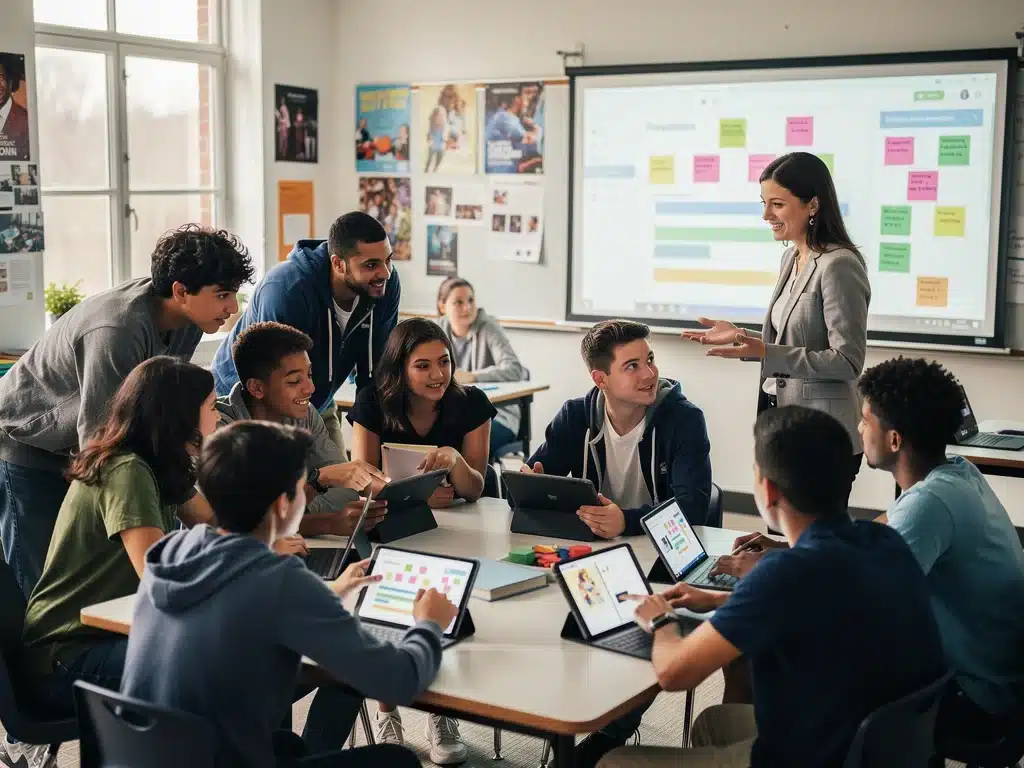
Gen Z is the first generation to grow up entirely in the digital age, making technology an integral part of their learning and identity formation. US schools are leveraging this digital fluency to create more personalized and inclusive learning experiences. Technology offers powerful tools for differentiation, allowing educators to tailor content and delivery methods to individual student needs and preferences.
From adaptive learning platforms that adjust to a student’s pace and style to virtual reality experiences that offer immersive cultural insights, technology is breaking down traditional barriers to learning. This personalization is particularly beneficial for students with diverse learning styles, disabilities, or those who benefit from alternative modes of instruction.
digital tools for diversity and inclusion
The strategic use of digital tools can significantly enhance efforts to support diverse identities. Technology can provide access to resources, facilitate communication, and create platforms for expression that might not be available in traditional settings.
- Adaptive Learning Software: Platforms that personalize learning paths based on individual student performance and preferences.
- Assistive Technologies: Tools like text-to-speech, speech-to-text, and screen readers that support students with disabilities.
- Virtual Exchange Programs: Connecting students with peers from different cultural backgrounds around the world.
- Online Forums and Communities: Creating safe digital spaces for students to discuss identity, share experiences, and find support.
Moreover, technology allows for greater flexibility in content delivery, making education more accessible to students who may face challenges with traditional classroom settings. This includes providing remote learning options, offering diverse multimedia resources, and enabling students to collaborate on projects regardless of their physical location. By embracing these technological advancements, schools can ensure that learning is not only personalized but also deeply inclusive, reflecting the digital native nature of Gen Z.
addressing mental health and well-being for diverse students
The mental health crisis among Gen Z is a significant concern, exacerbated for students with diverse identities who often face additional stressors related to discrimination, marginalization, and lack of understanding. US schools are increasingly prioritizing mental health and well-being, recognizing that a student’s emotional state directly impacts their ability to learn and thrive.
This commitment involves a multi-faceted approach, including increased access to mental health professionals, comprehensive social-emotional learning (SEL) curricula, and proactive strategies to reduce stigma. For diverse students, this means ensuring that mental health services are culturally competent and identity-affirming, addressing the unique challenges they may encounter.
holistic support systems
Schools are developing holistic support systems that integrate mental health care into the broader educational framework. This ensures that mental health support is not an isolated service but an integral part of the student experience, available to all who need it and tailored to their specific identities.
- Culturally Competent Counselors: Providing mental health professionals who understand and can address the specific needs of diverse student populations.
- Identity-Affirming Practices: Ensuring that mental health support respects and validates students’ gender identity, sexual orientation, race, and other identities.
- Peer Support Programs: Creating opportunities for students to connect with and support one another, fostering a sense of community and reducing isolation.
- Trauma-Informed Care: Training staff to understand and respond to the impact of trauma, which can disproportionately affect marginalized students.
The emphasis is on early intervention and prevention, creating a school culture where students feel comfortable seeking help without fear of judgment. By explicitly addressing the mental health needs of diverse Gen Z students, schools are building more resilient communities where all young people can navigate their emotional landscapes with confidence and support.
teacher training and professional development for inclusivity
Effective inclusivity in schools begins with well-prepared educators. Recognizing this, US schools are investing heavily in comprehensive teacher training and professional development programs focused on diversity, equity, and inclusion (DEI). These programs aim to equip teachers with the knowledge, skills, and empathy needed to support Gen Z’s diverse identities effectively.
Training often covers topics such as culturally responsive pedagogy, unconscious bias, gender identity and sexual orientation affirmation, and neurodiversity awareness. The goal is to move beyond mere compliance and foster a deep understanding and appreciation for the varied backgrounds and experiences students bring to the classroom. This ongoing professional learning is crucial for adapting to the ever-evolving landscape of student identities.
building inclusive educator competencies
Building inclusive educator competencies involves a continuous learning process, ensuring that teachers are not only aware of diverse identities but also skilled in creating equitable and affirming learning environments. This training is often iterative, incorporating feedback and new research to remain relevant and impactful.
- Unconscious Bias Training: Helping educators recognize and mitigate their own biases to ensure fair treatment of all students.
- Culturally Responsive Pedagogy: Teaching strategies that connect to students’ cultural backgrounds and experiences.
- Gender and Sexuality Affirmation: Educating staff on appropriate language, policies, and support for LGBTQ+ students.
- Neurodiversity Awareness: Providing insights into different learning styles and needs to better support neurodivergent students.
Beyond formal training, schools are also fostering professional learning communities where educators can share best practices, discuss challenges, and collaborate on solutions related to inclusivity. This collaborative approach reinforces the idea that creating an inclusive school environment is a collective responsibility. By empowering teachers with the right tools and knowledge, schools are laying the groundwork for a truly equitable and supportive educational future for Gen Z.
community engagement and parent partnerships
Achieving comprehensive inclusivity for Gen Z’s diverse identities extends beyond the school walls, requiring strong partnerships with parents and the wider community. US schools are actively engaging families and community organizations to create a unified support system that reinforces inclusive values and practices both at home and in school. This collaborative approach recognizes that education is a shared responsibility.
Engaging parents, especially those from diverse backgrounds, involves establishing open lines of communication, providing resources, and creating opportunities for them to contribute to school decisions. Community partnerships can bring in valuable external resources, expertise, and cultural perspectives that enrich the school environment and support student well-being.
strengthening home-school connections
Strengthening home-school connections is vital for understanding students’ diverse lived experiences and ensuring that school policies and practices are aligned with community values. These partnerships foster a sense of shared ownership in students’ educational and personal development.
- Parent Advisory Councils: Creating platforms for diverse parents to voice concerns and provide input on school policies.
- Community Liaisons: Employing staff who can bridge communication gaps between schools and diverse cultural communities.
- Cultural Events: Hosting school-wide events that celebrate various cultures and identities represented within the student body.
- Workshops for Parents: Offering educational sessions on topics like supporting LGBTQ+ youth or understanding neurodiversity.
By actively involving parents and community members, schools can build a more robust and responsive ecosystem of support for Gen Z. This collaborative effort not only enhances inclusivity within the school but also strengthens community bonds, creating a more welcoming and understanding environment for all young people. It underscores the belief that true inclusivity is a collective endeavor, with every stakeholder playing a crucial role.
| Key Aspect | Description for Gen Z Inclusivity |
|---|---|
| Diverse Curriculum | Integrating varied cultural perspectives and histories into all subjects to reflect Gen Z’s multifaceted identities. |
| Safe School Environments | Creating physically and emotionally secure spaces that affirm all gender, sexual, and neurodivergent identities. |
| Mental Health Support | Providing culturally competent and identity-affirming mental health services and resources for students. |
| Teacher Training | Ongoing professional development for educators on DEI, unconscious bias, and responsive pedagogy. |
frequently asked questions about gen z inclusivity
Gen Z is more diverse due to various factors, including increased immigration, changing societal norms, and greater openness about identity. They are also digital natives, exposed to a wider range of global perspectives from a young age, influencing their self-perception and expression.
Schools are implementing gender-affirming policies, providing gender-neutral restrooms, supporting LGBTQ+ student groups, and offering training for staff on inclusive language and practices. The goal is to create safe and affirming environments where all students feel respected and validated.
Culturally responsive teaching connects learning to students’ cultural backgrounds and lived experiences. It’s crucial because it makes education more relevant and engaging for diverse students, fostering a sense of belonging and improving academic outcomes by acknowledging and valuing their identities.
Technology enables personalized learning, offering adaptive platforms and assistive tools for diverse learners. It also facilitates virtual connections and provides platforms for expression, breaking down barriers and making education more accessible and engaging for all students, regardless of their unique needs.
Parents are crucial partners in fostering inclusivity. Their engagement through advisory councils, community liaisons, and participation in school events helps ensure that school policies align with family values and community needs, creating a holistic support system for students.
conclusion
The journey of Rethinking Inclusivity: How US Schools are Adapting to Gen Z’s Diverse Identities in 2026 is a dynamic and ongoing process, reflecting a profound commitment to educational equity and student well-being. By embracing the multifaceted identities of Gen Z through curriculum reforms, safe spaces, technological integration, comprehensive mental health support, and robust community partnerships, US schools are not just adapting; they are evolving. This evolution is essential for cultivating environments where every young person feels empowered to learn, grow, and contribute their unique perspectives to the world, ultimately shaping a more inclusive and understanding society for all.