Boosting Gen Z Self-Efficacy: Growth Mindset Interventions
Advertisements
Educational psychology interventions focused on cultivating growth mindsets are crucial for Generation Z, significantly enhancing their self-efficacy by up to 25% through targeted strategies that foster resilience and a belief in their ability to grow.
In an increasingly complex and rapidly evolving world, focusing on growth mindset interventions is more critical than ever for Generation Z. This generation, characterized by its digital native status and exposure to constant change, faces unique challenges that can significantly impact their self-efficacy. Understanding how to foster a belief in one’s ability to learn and overcome obstacles is paramount to their academic success and overall well-being. This article delves into proven educational psychology interventions designed to cultivate growth mindsets, aiming to improve Gen Z’s self-efficacy by a remarkable 25%.
Understanding Generation Z and Their Unique Challenges
Generation Z, broadly defined as those born between the mid-1990s and early 2010s, represents a demographic unlike any before it. They are the first generation to grow up entirely immersed in the digital age, with constant access to information and social media. This environment shapes their perceptions, anxieties, and learning styles in profound ways. Understanding these unique characteristics is the first step in designing effective interventions.
One of the primary challenges for Gen Z is navigating the immense pressure of social media and the constant comparison it fosters. This can lead to increased rates of anxiety, depression, and a fragile sense of self-worth. Academic pressures, coupled with a highly competitive global landscape, further exacerbate these feelings. Educators and parents often observe a reluctance to take risks or embrace failure, stemming from a fear of judgment or not meeting perceived perfectionist standards.
The Impact of Digital Natives on Learning
Being digital natives means Gen Z processes information differently. They are adept at multitasking and consuming content quickly, but this can also lead to shorter attention spans and a preference for instant gratification. Traditional teaching methods may not always resonate with their learning styles, necessitating innovative approaches that leverage technology while still promoting deep learning and critical thinking.
- Constant digital connectivity can blur the lines between personal and academic life, leading to burnout.
- Exposure to curated online personas can create unrealistic expectations and foster self-doubt.
- The rapid pace of technological change demands continuous learning and adaptability.
- Information overload requires strong critical evaluation skills to discern credible sources.
In conclusion, addressing the specific challenges faced by Gen Z requires a nuanced understanding of their digital upbringing and the psychological impacts of their environment. By acknowledging these factors, educators and mentors can better tailor interventions that resonate with their experiences and foster genuine growth.
The Foundations of Growth Mindset Theory
At the heart of effective interventions lies the concept of a growth mindset, popularized by Stanford psychologist Carol Dweck. A growth mindset is the belief that one’s abilities and intelligence can be developed through dedication and hard work. This stands in stark contrast to a fixed mindset, where individuals believe their talents are innate and unchangeable. The implications of holding one mindset over the other are profound, particularly for learning and resilience.
Individuals with a growth mindset embrace challenges, persist in the face of setbacks, see effort as a path to mastery, learn from criticism, and find inspiration in the success of others. Conversely, those with a fixed mindset tend to avoid challenges, give up easily, see effort as fruitless, ignore useful negative feedback, and feel threatened by the success of others. These differences significantly impact academic performance, social-emotional development, and overall self-efficacy.
Shifting from Fixed to Growth Perspectives
The journey from a fixed to a growth mindset is not always straightforward but is entirely achievable with targeted strategies. It involves reframing how individuals perceive intelligence and ability, moving away from a judgment-oriented view to one that values process and improvement. This shift empowers students to take ownership of their learning and view mistakes as opportunities for development rather than indicators of failure.
- Emphasizing effort and strategy over innate talent in feedback.
- Teaching the brain’s plasticity and its ability to grow and change.
- Providing opportunities for productive struggle and problem-solving.
- Encouraging reflection on learning processes and strategies.
Ultimately, understanding and applying growth mindset theory provides a powerful framework for educational psychology interventions. It equips Gen Z with the mental tools to navigate academic and life challenges, fostering a belief in their own capacity for growth and achievement.
Practical Educational Psychology Interventions
Translating growth mindset theory into actionable strategies requires concrete educational psychology interventions. These interventions are designed to be integrated into learning environments, both formal and informal, to actively cultivate a growth-oriented perspective among Gen Z students. The goal is to move beyond simply talking about growth mindsets to actively embedding them in daily practice.
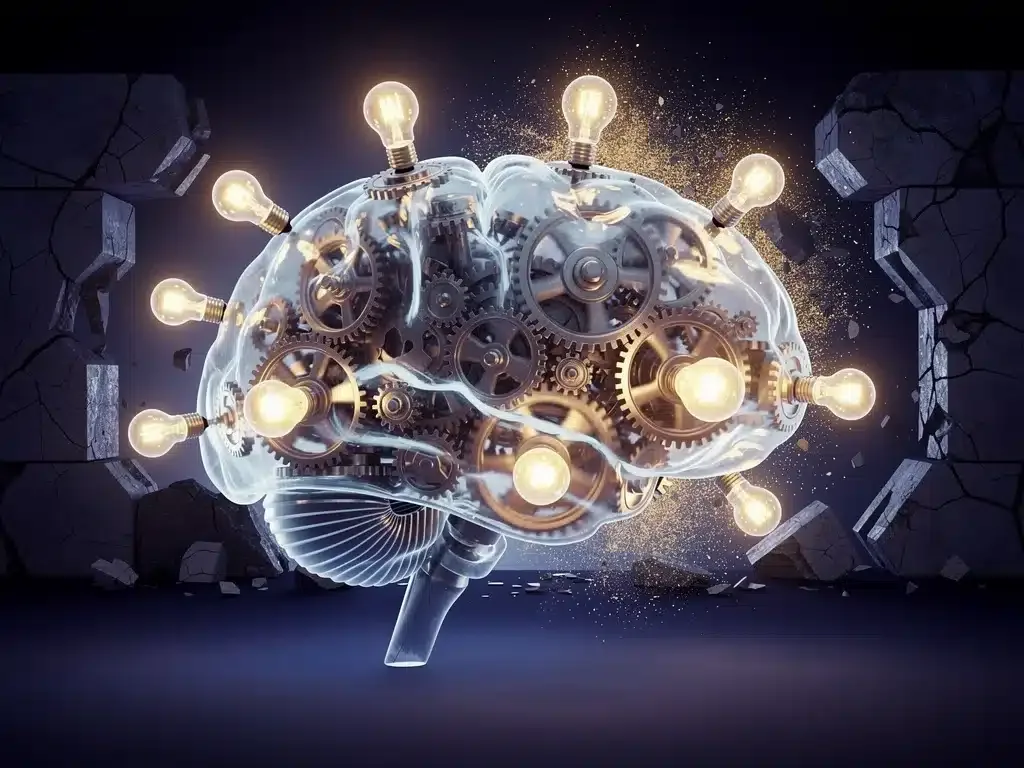
One highly effective intervention involves explicit teaching about brain science and neuroplasticity. When students understand that their brains can literally grow and form new connections with effort, it demystifies the learning process and makes the concept of improving through hard work more tangible. This scientific backing can be incredibly motivating for a generation that values evidence-based approaches.
Feedback Strategies for Cultivating Growth
The way feedback is delivered plays a crucial role in shaping a student’s mindset. Instead of focusing on grades or outcomes, growth-oriented feedback emphasizes the process, effort, and strategies used. This helps students understand that their performance is not a reflection of fixed intelligence but rather a result of their approach and dedication.
- Provide specific, actionable feedback that focuses on effort and strategy.
- Encourage self-assessment and reflection on learning processes.
- Frame mistakes as learning opportunities rather than failures.
- Highlight progress over perfection, celebrating small gains.
Another powerful intervention is the use of challenging tasks and productive struggle. By providing problems that require sustained effort and problem-solving, students learn the value of perseverance. When supported through these challenges, they build confidence in their ability to tackle difficult tasks, directly impacting their self-efficacy. These practical interventions are foundational to fostering a generation of resilient learners.
Building Resilience and Self-Efficacy in Gen Z
Cultivating a growth mindset is intrinsically linked to building resilience and self-efficacy. Resilience is the ability to bounce back from adversity, while self-efficacy is the belief in one’s capacity to succeed in specific situations or accomplish a task. For Gen Z, who often face high-stakes environments and digital pressures, strengthening these traits is essential for their mental health and future success.
Interventions that promote resilience often involve teaching coping mechanisms, stress management techniques, and problem-solving skills. When students feel equipped to handle setbacks, they are less likely to be overwhelmed by challenges and more likely to persist. This proactive approach helps them develop a robust internal locus of control, where they believe they have agency over their outcomes.
Strategies for Enhancing Self-Efficacy
To specifically enhance self-efficacy, interventions should focus on providing mastery experiences. These are opportunities for students to successfully complete tasks, building their confidence through direct experience. Starting with achievable goals and gradually increasing complexity allows students to accumulate a history of success, reinforcing their belief in their capabilities.
- Provide opportunities for students to experience success through challenging but achievable tasks.
- Observe successful peers as role models to build vicarious experiences of mastery.
- Offer verbal encouragement and persuasive feedback from trusted mentors.
- Help students manage physiological and emotional states related to performance anxiety.
Moreover, social modeling plays a significant role. When Gen Z students see their peers successfully navigating academic or personal challenges, it provides a powerful example that they too can achieve similar outcomes. This vicarious experience, combined with positive verbal persuasion from educators and parents, forms a comprehensive approach to bolstering self-efficacy. By integrating these strategies, we can empower Gen Z to face the future with greater confidence and adaptability.
The Role of Educators and Parents in Fostering Growth
The success of growth mindset interventions heavily relies on the active participation and consistent modeling by both educators and parents. These key figures in a Gen Z individual’s life serve as primary influences, shaping their perceptions of learning, effort, and failure. Their approach to teaching, feedback, and support can either reinforce a fixed mindset or actively cultivate a growth-oriented one.
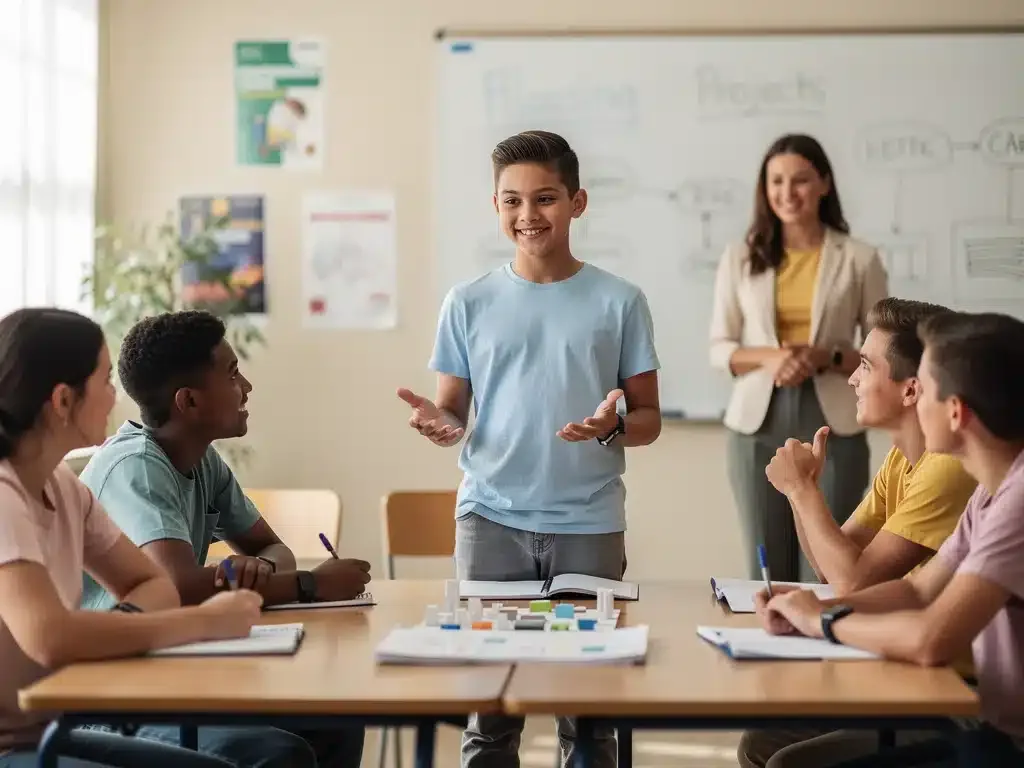
Educators, in particular, are positioned to create classroom environments that champion growth. This involves not only implementing specific interventions but also adopting a growth mindset themselves. When teachers model resilience, embrace challenges, and openly discuss their own learning processes, they provide a powerful example for their students. This authenticity can significantly impact student engagement and willingness to take risks.
Creating a Supportive Learning Ecosystem
Parents also play an indispensable role by fostering a growth mindset at home. This means shifting focus from praising intelligence or talent to commending effort, strategy, and persistence. Encouraging children to embrace challenges, learn from mistakes, and view setbacks as opportunities for improvement reinforces the messages they receive in educational settings.
- Educators should explicitly teach growth mindset principles and brain science.
- Parents can model growth mindset behaviors and language in daily interactions.
- Both groups should prioritize process-oriented feedback over outcome-focused praise.
- Create safe spaces where failure is seen as a natural part of the learning journey.
Collaboration between schools and homes is paramount. Workshops for parents on growth mindset principles, consistent communication about student progress in terms of effort and strategy, and shared language around learning can create a cohesive and supportive ecosystem. When educators and parents work in concert, the impact on Gen Z’s self-efficacy and overall development is amplified, ensuring a consistent message that empowers them to thrive.
Measuring the Impact and Sustaining Growth
Implementing growth mindset interventions is only part of the equation; understanding their impact and ensuring their long-term sustainability is equally crucial. Measuring the effectiveness of these educational psychology interventions allows educators and parents to refine strategies, identify areas for improvement, and ultimately confirm the positive shift in Gen Z’s self-efficacy. This data-driven approach ensures that efforts are targeted and yield the desired outcomes.
Assessment tools can range from qualitative observations of student behavior and language to quantitative surveys that gauge self-efficacy beliefs and attitudes towards challenges. Pre- and post-intervention evaluations are vital for demonstrating measurable improvements, such as the targeted 25% increase in self-efficacy. Longitudinal studies can also track the lasting effects of these interventions over time, providing insights into their enduring benefits.
Long-Term Strategies for Mindset Maintenance
Sustaining a growth mindset requires more than a one-off intervention; it necessitates ongoing reinforcement and integration into the fabric of the learning environment. This involves consistently using growth-oriented language, celebrating effort and progress, and providing continuous opportunities for students to engage in productive struggle. The goal is to make the growth mindset an inherent part of the culture, not just a passing trend.
- Regularly revisit growth mindset principles through discussions and activities.
- Incorporate reflective practices where students analyze their learning processes.
- Provide mentorship and peer support systems that reinforce positive mindsets.
- Adapt interventions based on ongoing feedback and observable student progress.
Moreover, professional development for educators on advanced growth mindset strategies ensures that teaching practices evolve to meet the changing needs of Gen Z. For parents, continued access to resources and workshops can help maintain a consistent growth-oriented environment at home. By rigorously measuring impact and committing to sustained effort, we can ensure that growth mindset interventions continue to empower Gen Z, fostering their self-efficacy and preparing them for a future that demands adaptability and resilience.
Challenges and Future Directions for Growth Mindsets
While the benefits of growth mindset interventions are clear, their implementation is not without challenges. One significant hurdle is the potential for superficial adoption, where the language of growth mindset is used without a true understanding of its underlying principles or a genuine shift in practice. This can lead to what Dr. Dweck refers to as a “false growth mindset,” where individuals merely pay lip service to the concept without internalizing its core tenets.
Another challenge lies in addressing deeply ingrained fixed mindset beliefs, particularly in environments where academic success has historically been linked solely to innate talent. Overcoming these entrenched perspectives requires sustained effort, consistent messaging, and a commitment to systemic change within educational institutions. It also demands sensitivity to individual differences, as not all students respond to interventions in the same way.
Innovating for Broader Impact
Looking ahead, future directions for growth mindset interventions in educational psychology include leveraging technology more effectively. Personalized learning platforms, AI-driven feedback systems, and virtual reality simulations could offer innovative ways to deliver tailored growth mindset experiences. These technologies could provide immediate, process-oriented feedback and create engaging, low-stakes environments for productive struggle.
- Develop personalized digital tools that reinforce growth mindset principles.
- Explore the use of gamification to make challenging tasks more engaging.
- Conduct more research on the long-term impact of growth mindset interventions across diverse populations.
- Train educators and parents to identify and address “false growth mindset” tendencies.
Furthermore, there is a need for more research into how growth mindset interventions intersect with cultural backgrounds and socioeconomic factors. Tailoring strategies to be culturally responsive can enhance their effectiveness and ensure equitable access to these transformative educational psychology tools. By actively addressing these challenges and embracing innovative approaches, we can continue to refine and expand the reach of growth mindset principles, ultimately empowering Gen Z to reach their fullest potential and achieve significant improvements in self-efficacy.
| Key Aspect | Brief Description |
|---|---|
| Growth Mindset Core | Belief that abilities can be developed through effort, crucial for learning and resilience. |
| Gen Z Challenges | Digital pressures, anxiety, and fear of failure impact self-efficacy. |
| Intervention Focus | Explicit brain science, process-oriented feedback, and mastery experiences. |
| Key Outcomes | Increased resilience, improved self-efficacy, and enhanced academic performance. |
Frequently Asked Questions About Growth Mindsets
What is a growth mindset and why is it important for Gen Z?▼A growth mindset is the belief that one’s abilities and intelligence can be developed through dedication and hard work. For Gen Z, it’s crucial because it helps them navigate digital pressures, academic demands, and fosters resilience against setbacks, enhancing their overall self-efficacy and potential.
How can educational psychology interventions effectively cultivate growth mindsets?▼Effective interventions involve teaching neuroplasticity, providing process-oriented feedback, and creating opportunities for productive struggle. These strategies help students understand that effort leads to growth, shifting focus from innate talent to learning strategies and perseverance.
What role do parents play in fostering a growth mindset in Gen Z?▼Parents are vital in modeling growth mindset behaviors, praising effort and strategy instead of intelligence, and encouraging children to embrace challenges. Their consistent support at home reinforces the principles taught in educational settings, creating a cohesive growth-oriented environment.
Can growth mindset interventions truly improve self-efficacy by 25%?▼Research and successful implementations suggest that well-designed and consistently applied growth mindset interventions can lead to significant improvements in self-efficacy, with some studies indicating gains of 25% or more among targeted populations like Gen Z. Consistent reinforcement is key.
What are the biggest challenges in implementing growth mindset interventions?▼Challenges include superficial adoption, overcoming deeply ingrained fixed mindset beliefs, and ensuring interventions are culturally responsive. Addressing these requires genuine commitment, ongoing training, and tailoring strategies to diverse student needs for maximum impact and sustainability.
Conclusion
The journey to cultivating growth mindsets in Generation Z is a critical endeavor, offering transformative benefits for their self-efficacy, resilience, and overall well-being. By implementing targeted educational psychology interventions that emphasize neuroplasticity, provide process-oriented feedback, and create opportunities for mastery, we can empower this generation to embrace challenges and view learning as a continuous process. The collaborative efforts of educators and parents are indispensable in creating a supportive ecosystem where growth is not just encouraged but actively fostered. As Gen Z navigates a world of constant change, equipping them with a robust growth mindset is perhaps the most valuable investment we can make in their future, ensuring they not only adapt but thrive.