Beyond the Screen: Educational Psychology for Gen Z Connections
Advertisements
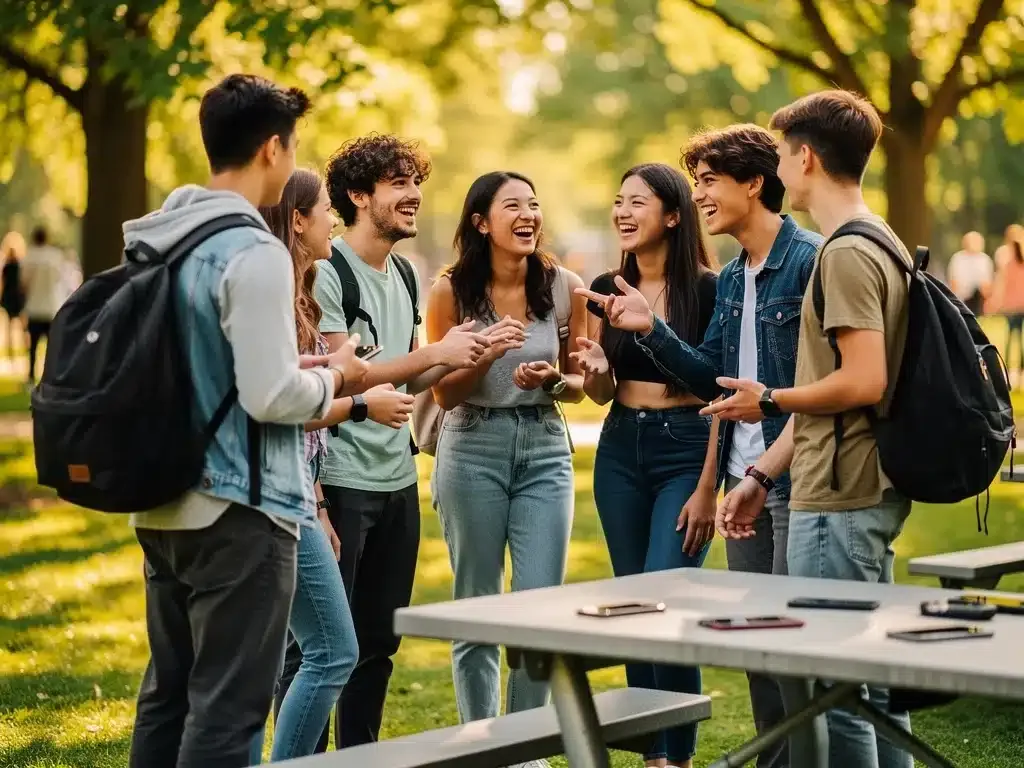
This educational psychology guide provides a comprehensive 7-step framework designed to help Generation Z navigate the complexities of modern digital life and establish more profound, authentic social connections.
In an era defined by digital interfaces and virtual interactions, the quest for genuine human connection among young people has become increasingly complex. This article delves into a crucial topic: Beyond the Screen: A 7-Step Educational Psychology Guide to Fostering Authentic Social Connections for Gen Z. We will explore how educational psychology offers practical strategies to help this digitally native generation build meaningful relationships, moving past superficial online interactions to truly connect in the real world.
Understanding the Gen Z Social Landscape
Generation Z, broadly defined as individuals born between the mid-1990s and early 2010s, has grown up in a world saturated with digital technology. This constant connectivity has reshaped their social interactions, creating both unprecedented opportunities and significant challenges. While they are adept at online communication, this proficiency sometimes comes at the expense of developing robust face-to-face social skills.
The digital landscape often presents a curated reality, where individuals present idealized versions of themselves, leading to feelings of inadequacy and social anxiety among peers. Understanding this unique social environment is the foundational step in addressing their needs for authentic connection. Educational psychology provides the lens through which we can analyze these behaviors and devise effective interventions.
The Paradox of Digital Connectivity
- Constant availability: While always connected, Gen Z often reports feeling isolated.
- Curated identities: Social media fosters a culture of perfection, hindering genuine self-expression.
- Reduced face-to-face practice: Less time in direct interaction can lead to underdeveloped non-verbal communication skills.
Navigating this paradox requires a nuanced approach that acknowledges the benefits of digital tools while actively promoting real-world engagement. Educators and parents must collaborate to create environments that encourage both digital literacy and emotional intelligence.
Ultimately, understanding the intricate web of digital influence on Gen Z’s social development is paramount. It allows us to move beyond simply criticizing screen time and instead focus on constructive strategies that nurture their capacity for deep, meaningful relationships.
Step 1: Cultivating Self-Awareness and Emotional Intelligence
Before Gen Z can genuinely connect with others, they must first understand themselves. Self-awareness and emotional intelligence are cornerstone skills for authentic social connections. Educational psychology emphasizes the importance of helping young people recognize their own emotions, understand their triggers, and develop healthy coping mechanisms. This internal understanding forms the bedrock for empathy and effective communication.
Encouraging self-reflection through journaling, mindfulness exercises, or guided discussions can significantly enhance these skills. When individuals are aware of their own emotional states, they are better equipped to interpret and respond to the emotions of others, leading to more profound interactions.
Developing Empathy and Perspective-Taking
Empathy is the ability to understand and share the feelings of another. For Gen Z, who often engage with digital content that can sometimes desensitize them to real-world suffering, fostering empathy is critical. Educational psychology suggests incorporating activities that promote perspective-taking, such as reading diverse literature, engaging in role-playing, or discussing current events from multiple viewpoints.
- Journaling: Reflect on daily experiences and emotional responses.
- Mindfulness: Practice present-moment awareness to better understand feelings.
- Active listening: Develop the skill of truly hearing and understanding others without interruption.
These practices move beyond superficial understanding, encouraging a deeper appreciation for the human experience. By strengthening their emotional intelligence, Gen Z can approach social interactions with greater authenticity and compassion, paving the way for stronger bonds.
Step 2: Mastering Essential Communication Skills
Effective communication is the lifeblood of any healthy relationship. For Gen Z, whose primary mode of communication often involves texting or social media DMs, mastering face-to-face communication skills is an urgent necessity. This step focuses on teaching and practicing verbal and non-verbal cues that are crucial for authentic interactions, moving beyond emojis and short-form text.
Educational psychology highlights the importance of direct instruction in areas like active listening, clear articulation of thoughts and feelings, and understanding body language. These are skills that are often implicitly learned in previous generations but may need explicit teaching for Gen Z due to their digital upbringing.
The Art of Active Listening
Active listening involves fully concentrating on what is being said, rather than just passively hearing the message. It includes giving verbal and non-verbal feedback, such as nodding, making eye contact, and asking clarifying questions. This demonstrates respect and genuine interest, making the speaker feel valued.
- Eye contact: Maintain appropriate eye contact to show engagement.
- Body language: Use open posture and attentive gestures.
- Asking open-ended questions: Encourage deeper conversation beyond simple yes/no answers.
Practicing these skills in low-stakes environments, such as family dinners or classroom discussions, can help Gen Z build confidence. Role-playing social scenarios can also be an effective tool to rehearse difficult conversations or practice initiating new connections. Developing these fundamental communication abilities empowers them to navigate complex social situations with greater ease and authenticity.

Step 3: Encouraging Real-World Engagement and Shared Experiences
While digital platforms offer convenience, authentic connections are often forged through shared real-world experiences. This step emphasizes the importance of encouraging Gen Z to participate in activities that require physical presence and collaboration, moving them beyond the confines of their screens and into tangible interactions. Educational psychology supports the idea that communal activities foster a sense of belonging and provide natural opportunities for social bonding.
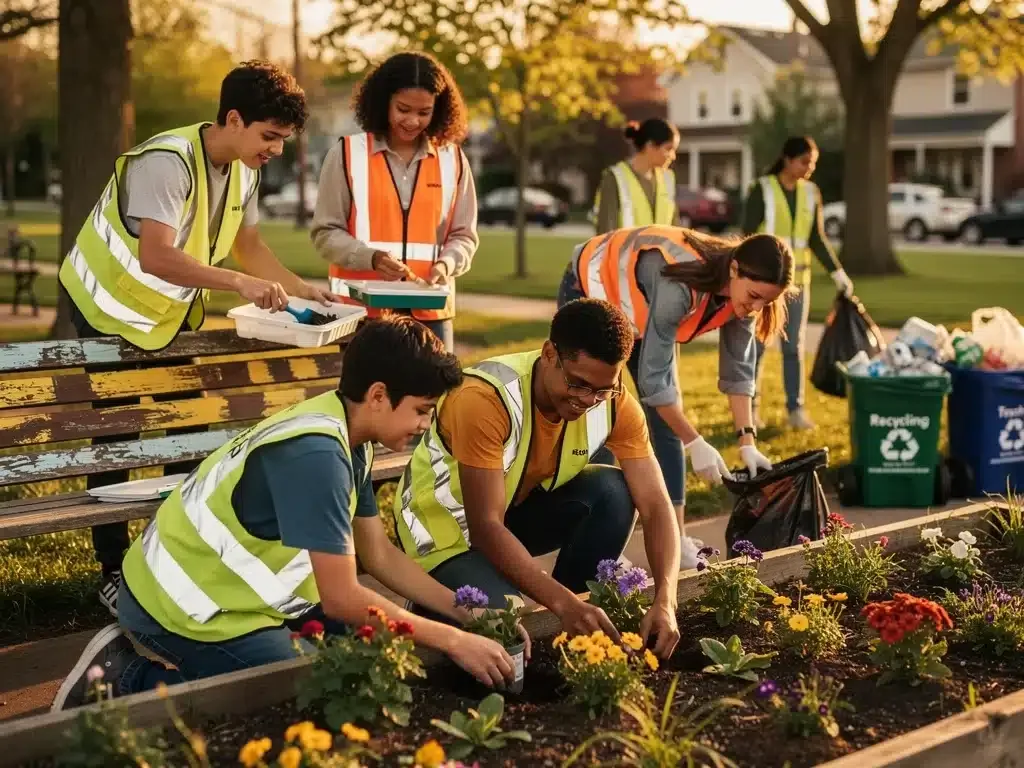
Whether it’s joining a sports team, volunteering, participating in a school club, or engaging in community events, these experiences create a common ground for interaction. They offer contexts where individuals can work towards a shared goal, overcome challenges together, and celebrate successes, all of which are powerful catalysts for forming meaningful relationships.
The Power of Collaborative Activities
Collaborative activities inherently require communication, negotiation, and mutual support. Unlike individual screen-based activities, they demand direct interaction and teach valuable lessons about teamwork and compromise. When Gen Z engages in these activities, they learn to rely on others and to be relied upon, building trust and camaraderie.
- Volunteering: Connect with others while contributing to a cause.
- Team sports: Learn cooperation, discipline, and shared effort.
- Creative clubs: Explore interests with like-minded peers in a hands-on setting.
Parents and educators can play a pivotal role in facilitating access to these opportunities and encouraging participation. By creating a culture that values and promotes real-world engagement, we help Gen Z discover the profound satisfaction that comes from genuinely connecting with others through shared experiences. This step is crucial for transitioning from digital acquaintances to authentic friendships.
Step 4: Navigating Digital Boundaries and Digital Wellness
For a generation immersed in digital technology, setting healthy boundaries with screens is not just about reducing usage, but about cultivating digital wellness. This involves understanding the psychological impact of constant connectivity and developing strategies to manage it effectively. Educational psychology stresses that a balanced approach to digital engagement is vital for mental health and the capacity to form real-world connections.
Teaching Gen Z how to recognize when digital interactions become unhealthy, how to disengage, and how to protect their privacy are essential skills. This isn’t about demonizing technology, but about empowering them to be masters of their digital lives, rather than being enslaved by them. Establishing ‘screen-free’ zones or times within the home or school can provide much-needed respite.
Strategies for Mindful Digital Use
Mindful digital use involves being intentional about how and why one uses technology. It means understanding the difference between connecting with purpose and mindlessly scrolling. Educators can teach critical thinking skills related to online content, helping Gen Z discern reliable information from misinformation and understand the curated nature of social media.
- Scheduled breaks: Designate specific times for digital detox.
- Notification management: Turn off unnecessary alerts to reduce distractions.
- Privacy settings: Understand and utilize privacy tools to protect personal information.
By fostering a conversation around digital wellness, we help Gen Z develop the self-regulation necessary to step away from screens and invest time and energy into their real-world social networks. This balance is critical for preventing digital overload and opening up space for authentic human interaction. Creating this balance is key to their overall well-being.
Step 5: Building Resilience and Conflict Resolution Skills
Authentic social connections are rarely without challenges. Disagreements, misunderstandings, and conflicts are natural parts of human interaction. This step focuses on equipping Gen Z with the resilience to navigate these social hurdles and the skills to resolve conflicts constructively. Educational psychology emphasizes that learning to cope with social setbacks is as important as learning to initiate connections.
Resilience helps young people bounce back from social disappointments, such as rejection or exclusion, without withdrawing completely. Conflict resolution skills, on the other hand, provide them with the tools to address disagreements respectfully and find mutually agreeable solutions, strengthening relationships rather than severing them.
Approaches to Healthy Conflict
Teaching Gen Z that conflict is not inherently negative but an opportunity for growth is crucial. This involves coaching them on how to express their needs and feelings assertively, listen to the other person’s perspective, and work towards a compromise. Role-playing different conflict scenarios can be an effective way to practice these skills in a safe environment.
- Assertive communication: Express needs and feelings clearly and respectfully.
- Perspective-taking: Understand the other person’s point of view.
- Negotiation: Work towards a mutually acceptable solution.
By developing these skills, Gen Z can approach social interactions with greater confidence, knowing they have the capacity to handle difficulties. This fosters deeper trust in their relationships, as peers learn that conflicts can be resolved and relationships can endure, ultimately leading to more robust and authentic bonds. These are life skills that extend far beyond their teenage years.
Step 6: Promoting Inclusivity and Diverse Friendships
Authentic social connections thrive in environments of inclusivity and respect for diversity. This step encourages Gen Z to seek out and embrace friendships with individuals from varied backgrounds, perspectives, and experiences. Educational psychology underscores that diverse social networks not only broaden one’s worldview but also enhance empathy and critical thinking skills, enriching the quality of their connections.
In a world that can often feel polarized, fostering an appreciation for differences is more important than ever. Educators and parents can model inclusive behavior and create opportunities for Gen Z to interact with peers outside of their immediate social circles, breaking down potential barriers and stereotypes.
Celebrating Differences and Building Bridges
Promoting inclusivity involves teaching Gen Z to actively challenge biases, both their own and those they encounter in others. It’s about creating spaces where everyone feels valued and understood. Encouraging participation in multicultural events, diverse student groups, or community initiatives can expose them to different ways of thinking and living, fostering a more expansive view of friendship.
- Challenging stereotypes: Question preconceived notions about others.
- Seeking diverse perspectives: Engage with people from different walks of life.
- Advocating for inclusion: Stand up for marginalized individuals and groups.
By actively promoting inclusivity, we help Gen Z build a wider, more resilient network of friends. These diverse connections provide varied support systems and expose them to a richer tapestry of human experience, leading to more authentic and fulfilling relationships grounded in mutual respect and understanding. This broadens their social horizon significantly.
Step 7: Providing Mentorship and Positive Role Models
Finally, the presence of positive role models and effective mentorship is invaluable in guiding Gen Z towards authentic social connections. This step emphasizes that young people often learn best by observing and interacting with adults and older peers who demonstrate healthy relationship behaviors. Educational psychology supports the power of observational learning and guided practice in skill development.
Mentors can offer guidance, share experiences, and provide constructive feedback on social interactions. They can model active listening, empathy, and conflict resolution, illustrating how these skills translate into real-world relationships. This direct, personal guidance can be far more impactful than abstract advice.
The Impact of Positive Adult Influence
Positive adult influence can come from parents, teachers, coaches, community leaders, or even older siblings. These individuals can create safe spaces for Gen Z to discuss their social challenges and triumphs, offering encouragement and support. They can also help young people identify and pursue opportunities for social engagement.
- Active listening: Mentors listen without judgment, offering support.
- Modeling behavior: Demonstrate healthy communication and relationship skills.
- Providing opportunities: Connect Gen Z with social groups and activities.
By intentionally connecting Gen Z with positive role models, we equip them with a crucial resource for navigating the complexities of social development. These relationships provide a sense of security and belonging, fostering confidence and encouraging them to seek out and build their own authentic connections. This mentorship can be a game-changer in their social journey.
| Key Step | Brief Description |
|---|---|
| Self-Awareness | Understanding emotions and fostering empathy for stronger bonds. |
| Communication Skills | Mastering active listening and non-verbal cues for genuine interaction. |
| Real-World Engagement | Participating in shared activities to build community and connection. |
| Digital Wellness | Setting healthy boundaries with screens to prioritize real-life interactions. |
Frequently Asked Questions About Gen Z Social Connections
Why is Gen Z struggling with authentic social connections?▼Gen Z has grown up with pervasive digital technology, leading to a reliance on online interactions. This can sometimes hinder the development of face-to-face communication skills, empathy, and the ability to navigate complex social cues essential for authentic connections.
How can parents help their Gen Z children build better social skills?▼Parents can encourage real-world activities, model healthy communication, set digital boundaries, and foster an environment where emotions are openly discussed. Providing opportunities for collaborative play and community involvement also significantly helps.
What role does emotional intelligence play in authentic connections?▼Emotional intelligence is crucial as it allows Gen Z to understand their own emotions and empathize with others. This self-awareness and ability to interpret social cues are fundamental for building trust, resolving conflicts, and forming deep, meaningful relationships.
Are digital platforms always detrimental to Gen Z’s social development?▼Not always. Digital platforms offer unique avenues for connection, especially for niche interests or geographically dispersed friends. The key is balance and mindful usage. When used intentionally, they can complement real-world interactions rather than replace them, enhancing social reach.
How can schools integrate these psychological strategies into their curriculum?▼Schools can implement social-emotional learning (SEL) programs, encourage group projects, facilitate peer mentorship, and offer workshops on digital literacy and communication skills. Creating inclusive school cultures also provides a safe space for diverse interactions.
Conclusion
Fostering authentic social connections for Gen Z in an increasingly digital world is a multifaceted challenge that educational psychology is uniquely positioned to address. By systematically implementing these seven steps – cultivating self-awareness, mastering communication, encouraging real-world engagement, navigating digital boundaries, building resilience, promoting inclusivity, and providing mentorship – we can equip this generation with the essential tools to forge profound and lasting relationships. Moving beyond the screen is not about abandoning technology, but about empowering Gen Z to skillfully integrate their digital and real-world lives, ensuring that genuine human connection remains a cornerstone of their development and well-being. This holistic approach will enable them to thrive socially, emotionally, and academically.