Gen Z's Soft Life: Prioritizing Nervous System Regulation
Advertisements
The soft life shift is changing how Gen Z approaches work, personal well-being, and everyday responsibilities in 2026.
Instead of celebrating constant productivity, many young adults are exploring healthier boundaries, stress management, and more sustainable routines.
This movement raises important questions about nervous system regulation, workplace expectations, financial stability, and the meaning of success.
The Emergence of the Soft Life: A Generational Redefinition
The soft life shift reflects growing interest in lifestyles that prioritize emotional balance without abandoning personal ambition or professional growth.
For many young adults, traditional hustle culture represents constant availability, demanding schedules, and pressure to achieve measurable success.
By contrast, the soft life philosophy encourages thoughtful decisions, sustainable workloads, and time for activities that support personal well-being.
Why Gen Z Rejects Hustle Culture

Many younger workers are questioning whether long hours and constant digital availability should determine professional commitment or personal success.
Observing workplace stress has encouraged conversations about boundaries, with Gen Z seeking balance between career development and personal responsibilities.
The soft life shift does not necessarily reject ambition; it encourages achieving goals without treating exhaustion as proof of dedication.
Nervous System Regulation: The Core of the Soft Life
Nervous system regulation describes the body's processes for responding to stress and returning toward a more balanced physiological state.
During stressful situations, the nervous system can influence breathing, heart rate, alertness, and other automatic responses throughout the body.
The soft life shift encourages habits that support stress management, although no single technique guarantees emotional balance for everyone.
Practical Approaches to Regulation
Simple daily habits can support nervous system regulation, including regular sleep, physical activity, relaxation exercises, and supportive social connections.
Some young adults explore personalized wellness activities that provide enjoyable breaks from demanding tasks and repetitive digital routines.
Consistency matters more than complicated routines, and individuals should select practices that realistically fit their circumstances and health needs.
Economic and Social Implications of the Shift
The soft life shift has implications for workplaces, particularly as younger employees discuss flexibility, professional development, and manageable expectations.
Organizations may benefit from examining workloads, communication practices, and employee support rather than equating constant availability with productivity.
However, meaningful flexibility also depends on industry requirements, financial resources, job responsibilities, and the practical needs of individual workers.
Impact on the Workplace and Education
Younger professionals increasingly discuss career opportunities alongside concerns about work schedules, financial security, and personal development.
Educational institutions can also support students by teaching practical approaches to time management, emotional awareness, and healthy study routines.
The soft life shift encourages conversations about building professional skills while maintaining realistic expectations around performance and personal well-being.
The Role of Technology and Digital Wellness
Technology plays a complicated role in the soft life shift because digital platforms can both support and disrupt personal well-being.
Online resources, mental health apps, and educational platforms provide convenient access to information about managing everyday stress.
However, excessive notifications, constant comparisons, and unrestricted screen time can create additional pressures that undermine intentional relaxation.
Leveraging Digital Tools for Well-being
Digital wellness tools can help users organize routines, track sleep patterns, practice relaxation, and establish reminders for regular breaks.
Some applications offer guided breathing exercises and mindfulness activities, although their quality, privacy practices, and effectiveness may vary.
The soft life shift emphasizes using technology purposefully rather than allowing digital habits to control every available moment.
Challenging Traditional Metrics of Success
Traditional definitions of success often emphasize salary growth, professional titles, career advancement, and visible accomplishments.
The soft life shift introduces additional considerations, including meaningful relationships, personal autonomy, mental well-being, and satisfaction with daily life.
These priorities are not necessarily incompatible with financial success, since sustainable routines can coexist with professional ambition.
Redefining Fulfillment and Purpose
Personal fulfillment can involve meaningful employment, creative interests, supportive relationships, financial stability, and opportunities for continued learning.
Many young adults want careers that accommodate their values without requiring them to sacrifice every aspect of personal life.
The soft life shift encourages individuals to define achievement according to realistic circumstances instead of constant social comparison.
The Long-Term Impact on Society and Culture
The soft life shift contributes to broader discussions about working conditions, mental health awareness, and changing expectations among younger generations.
Employers, educators, and communities may increasingly examine how demanding environments influence well-being and long-term participation.
Nevertheless, generational preferences vary considerably, making it important to avoid assuming every Gen Z individual shares identical priorities.
Future Trends and Adaptations
Organizations may continue experimenting with flexible schedules, clearer communication policies, and benefits that support employee well-being.
Digital wellness services and accessible educational resources could also influence how individuals learn about stress and healthy routines.
The soft life shift may encourage practical changes, but its long-term influence will depend on economic conditions and institutional decisions.
Challenges and Criticisms of the Soft Life
The soft life shift faces criticism because financial circumstances can make flexible routines difficult for individuals with demanding responsibilities.
Some workers cannot reduce their hours or change schedules without affecting income, employment security, or household obligations.
Others question whether wellness culture sometimes overlooks structural problems by placing too much responsibility on individual self-care.
Addressing Accessibility and Misconceptions
Practicing self-care does not always require expensive products, luxury retreats, or complicated wellness programs marketed through social platforms.
Accessible support may include public health information, community resources, and professional mental health services when appropriate.
The soft life shift should be understood as an approach to sustainable living rather than an excuse to avoid responsibilities.
What Current Research Reveals About Gen Z
Reliable research provides useful context for understanding the soft life shift without depending on unsupported percentages or generalizations.
Deloitte's 2026 Gen Z and Millennial Survey examines career preferences, financial expectations, stability, and the importance of personal well-being.
Its findings suggest that many younger respondents favor sustainable professional development over rapid advancement, although individual experiences differ significantly.
Understanding the Evidence Behind Generational Trends
Not every statistic shared through social media accurately represents the attitudes or priorities of an entire generation.
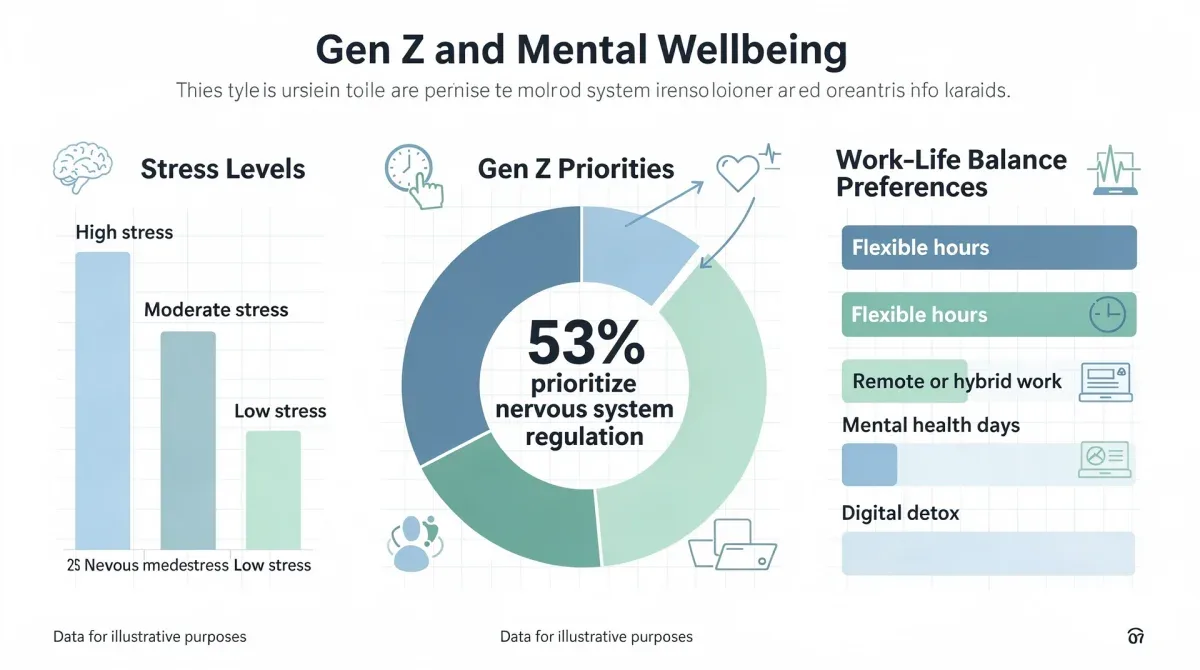
The claim that 53% of Gen Z prioritizes nervous system regulation over hustle culture requires a reliable supporting study.
The soft life shift can still be examined through verified research on workplace expectations, stress, and changing definitions of success.
Healthy Habits That Support Everyday Stress Management
Managing everyday stress involves recognizing personal triggers and developing routines that support both physical and emotional well-being.
The Centers for Disease Control and Prevention's official stress management guidance recommends healthy coping strategies, including rest, movement, and social connection.
These approaches can support the soft life shift by making stress management a practical part of everyday routines.
Building a Sustainable Daily Routine
A sustainable routine begins with realistic expectations about available time, professional responsibilities, personal needs, and opportunities for rest.
Short breaks, consistent sleep schedules, and enjoyable physical activities can help individuals manage demanding days more effectively.
The soft life shift encourages gradual adjustments instead of unrealistic routines that create additional pressure to achieve perfect wellness.
Why Financial Stability Still Matters
The soft life shift does not eliminate the importance of financial planning, especially for younger adults facing housing and living expenses.
Financial uncertainty can contribute to stress, making realistic budgeting and career planning important parts of long-term well-being.
A balanced lifestyle requires acknowledging economic responsibilities while identifying reasonable opportunities to protect personal time and energy.
Balancing Ambition With Personal Well-being
Professional ambition and personal well-being can coexist when individuals establish manageable goals and maintain clear expectations.
Career development may involve demanding periods, but consistently ignoring rest and personal needs can make those demands harder to sustain.
The soft life shift encourages evaluating progress over time rather than treating constant activity as the only measure of achievement.
How Organizations Can Respond to Changing Expectations
Organizations interested in employee well-being can begin by evaluating workloads, communication practices, and expectations surrounding availability.
Clear responsibilities and realistic deadlines can help workers understand priorities while reducing unnecessary confusion during demanding projects.
The soft life shift offers an opportunity to discuss workplace improvements without assuming every employee wants identical benefits.
Creating More Supportive Work Environments
Supportive workplaces encourage respectful communication, practical feedback, reasonable planning, and appropriate access to employee assistance resources.
Managers can contribute by establishing priorities clearly and recognizing when recurring overtime indicates a broader operational problem.
The soft life shift highlights the value of sustainable performance, where organizational objectives and employee well-being receive appropriate consideration.
Key Point | Brief Description |
|---|---|
Soft Life Philosophy | Emphasizes balance, personal well-being, and sustainable approaches to everyday responsibilities. |
Nervous System Regulation | Involves physiological processes and practical habits that influence responses to stress. |
Gen Z Workplace Expectations | Research identifies interest in stability, professional development, and manageable career progression. |
Research Limitations | The specific claim that 53% prioritize nervous system regulation has not been independently verified. |
Long-Term Outlook | Changing attitudes may influence workplace practices, wellness resources, and conversations about sustainable productivity. |
Frequently Asked Questions About the Soft Life Shift
What exactly is the soft life for Gen Z?
The soft life is a lifestyle philosophy that emphasizes personal well-being, manageable responsibilities, and greater balance between work and personal time. It does not necessarily mean avoiding ambition or professional development.
Do 53% of Gen Z prioritize nervous system regulation?
The specific 53% claim has not been reliably established by the research reviewed for this article. Available studies discuss stress, career expectations, and well-being, but should not be interpreted as confirming that exact percentage.
Why is nervous system regulation associated with the soft life?
Nervous system regulation relates to how the body responds to stress and returns toward a balanced state. The soft life philosophy encourages manageable routines and habits that can support healthier responses to everyday pressures.
How does this shift impact the workplace?
The movement encourages discussions about reasonable workloads, flexible arrangements, clear boundaries, and employee well-being. Organizations may respond through improved communication, practical benefits, and more sustainable expectations.
Is the soft life only accessible to wealthy individuals?
Financial resources can influence the freedom to choose working conditions and personal routines. However, certain stress management habits, community resources, and supportive relationships may be accessible without expensive wellness products.
Can breathing exercises help with everyday stress?
Breathing exercises may help some people relax during stressful moments. Their effectiveness varies, and they should not be treated as a replacement for professional care when significant or persistent symptoms require evaluation.
Does embracing the soft life mean becoming less productive?
Not necessarily. The philosophy encourages people to approach responsibilities with realistic expectations and appropriate boundaries. Productivity depends on numerous factors, including working conditions, individual needs, resources, and the nature of particular tasks.
How can someone begin adopting the soft life philosophy?
Start by examining daily responsibilities, identifying recurring sources of stress, and establishing manageable routines. Consistent sleep, reasonable breaks, enjoyable activities, and supportive relationships can contribute to a more balanced lifestyle.
What are the long-term implications of this trend?
The soft life shift may continue influencing conversations about workplace culture, personal well-being, and sustainable professional development. Its future impact will depend on economic conditions, institutional changes, and diverse individual preferences.
Looking Ahead: The Future of the Soft Life Shift
The soft life shift reflects a growing conversation about balancing professional ambition with emotional well-being and everyday responsibilities.
For Gen Z, sustainable careers, practical stress management, and personal fulfillment can become important considerations alongside traditional achievements.
Understanding these priorities through reliable research helps explain changing cultural expectations without relying on unsupported generational statistics.