
Peer Support Over Therapy Apps: Why Gen Z Prefers Community Circles
Discover why 61% of Gen Z youth may favor community circles over therapy apps in 2026, emphasizing connection, shared support, and belonging.

Micro-Credentialing Over Degrees: Gen Z's Higher Ed Shift
The shift towards micro-credentialing over degrees is rapidly accelerating, with 58% of Gen Z students expected to favor these alternative pathways by 2026. This trend signals a fundamental re-evaluation of traditional higher education models. The focus is now on skills-based learning and immediate career readiness, challenging long-held academic norms.

4-Day Workweek: Gen Z's Non-Negotiable Demand Explored
The 4-day workweek is now a critical expectation for Gen Z job seekers, with 67% making it a non-negotiable demand. This shift reflects evolving priorities in work-life balance and well-being. Understanding this trend is crucial for employers aiming to attract and retain young talent.

Poly-Skilling in 2026: Gen Z Embraces Dual Disciplines
Poly-skilling is rapidly becoming the norm for Gen Z undergraduates, with 38% pursuing dual complementary disciplines by 2026. This trend reflects a strategic response to a dynamic job market, emphasizing adaptability and diverse skill sets. Understanding this shift is crucial for educators, employers, and students navigating future career paths.
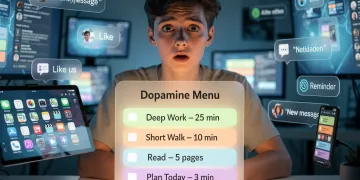
Dopamine Menus & Executive Dysfunction: Zoomers' Daily Routines
The concept of dopamine menus executive dysfunction is gaining traction as a potential solution for Gen Z's daily challenges. This article delves into how structured dopamine-boosting activities can help combat executive dysfunction, a common issue among young adults. We explore the science behind these menus and their practical application in improving focus and motivation.

AI Tutors & Gen Z: Personalized Bots Revolutionize STEM Mastery
The rise of AI tutors is profoundly impacting Gen Z's educational journey, particularly in STEM fields. A significant 76% of these students now leverage personalized bots for enhanced learning. This shift underscores a growing reliance on adaptive technologies to achieve academic mastery and tailor educational experiences.

Unveiling the Loud Budgeting Wave: Gen Z's Financial Transparency
The 'loud budgeting' trend sees 59% of Gen Z openly discussing their living costs, challenging traditional financial secrecy. This movement promotes radical transparency, influencing consumer habits and social interactions.

Gen Z Swaps Traditional Housing for Intergenerational Co-Living
A significant 31% of Gen Z are now opting for intergenerational co-living, moving away from traditional student housing models. This shift is influenced by economic factors, a desire for stronger community ties, and the appeal of diverse living experiences. The trend redefines youthful independent living.
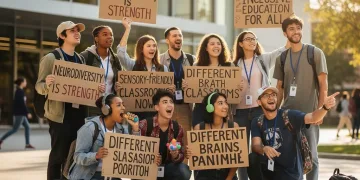
Neurodiversity Advocacy: Gen Z Pushes for Sensory-Friendly Education
Gen Z students are at the forefront of neurodiversity advocacy, with 68% actively championing sensory-friendly educational spaces. This movement seeks to transform learning environments, ensuring they are inclusive and supportive for all neurodivergent individuals, reflecting a significant shift in educational priorities.

Quiet Ambition in Action: Why 49% of Entry-Level Employees Turn Down Middle Management Roles in 2026
A significant shift is underway in the corporate landscape, with 49% of entry-level employees projected to decline middle management roles by 2026. This trend, termed 'quiet ambition,' reflects evolving priorities among younger generations. Understanding these motivations is crucial for businesses aiming to retain talent and adapt leadership pipelines.