
Parental Guidance in the Digital Age: 5 Strategies for Gen Z Online Safety
Effective parental guidance in the digital age is crucial for Gen Z’s online safety, requiring a proactive and informed approach to navigating evolving technological landscapes and potential risks in 2026.

AI’s Ethical Impact on Youth: 2026 Policy Insights
Policymakers in 2026 must address the complex ethical implications of AI on youth development, from privacy and algorithmic bias to cognitive and social well-being, to foster a safe and equitable digital future.

Rethinking Inclusivity: US Schools Adapting to Gen Z in 2026
US schools are actively rethinking inclusivity to effectively adapt to Generation Z’s diverse identities by 2026, implementing comprehensive strategies for more supportive and equitable educational experiences.

Gen Z and Future of Work: Inclusive Demands by 2026
Gen Z is fundamentally transforming the future of work by 2026, driven by new social demands for inclusive environments, purpose-driven roles, and robust well-being support, pushing organizations to adapt or risk losing top talent.

Gen Z Mental Health Crisis: School Solutions for 2026 Anxiety Reduction
Schools face an urgent challenge with the Gen Z mental health crisis; implementing targeted, evidence-based programs by 2026 can significantly reduce student anxiety, fostering resilient and supportive learning environments.
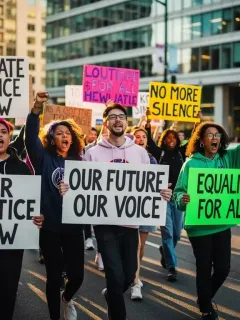
Youth Activism in 2026: Gen Z Driving Social Change
Gen Z’s youth activism in 2026 is a formidable force, leveraging digital platforms and intersectional approaches to drive significant social change and reshape policy landscapes across the United States.

Addressing Educational Disparities: 3 Key Strategies for Equity
Achieving educational equity by January 2026 requires targeted interventions, including enhanced resource allocation, culturally responsive pedagogy, and comprehensive social-emotional support for students in US schools.

Combating Cyberbullying: A 3-Month Action Plan for 2026
This article outlines a detailed 3-month action plan for parents and educators to effectively combat cyberbullying in 2026, focusing on prevention, intervention, and long-term support for Generation Z.

Digital Citizenship: Protecting Gen Z from Online Harassment by 2026
New guidelines for parents are crucial in navigating digital citizenship to protect Gen Z from online harassment by 2026, fostering safer online interactions and digital well-being for young people.
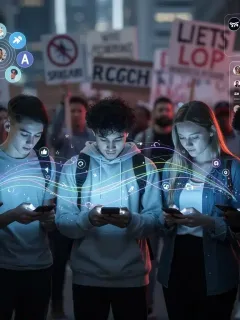
Social Media Algorithms & Gen Z: Political Polarization 2026
By 2026, social media algorithms significantly intensified political polarization among Gen Z, creating echo chambers and hindering nuanced discourse. Understanding these mechanisms is crucial for developing solutions that promote media literacy and critical engagement among young digital natives.