Unveiling the Loud Budgeting Wave: Gen Z's Financial Transparency
Advertisements

Loud Budgeting is emerging as a new way for younger consumers to discuss personal finance more openly. The trend focuses on being transparent about spending limits, financial priorities, and everyday money decisions.
Among Gen Z, this approach challenges older social norms that treated financial conversations as private or uncomfortable. Money becomes a topic that can be discussed directly with friends and online communities.
The movement also connects with broader concerns about living costs, debt, and financial pressure. Open conversations can influence how young adults save, spend, and make social decisions.
Understanding the Loud Budgeting Phenomenon
Loud Budgeting involves openly communicating financial boundaries and decisions rather than hiding them. Someone might explain that a purchase, trip, or social activity does not fit their current budget.
The source connects the trend strongly with Gen Z, whose online culture frequently emphasizes authenticity and shared experiences. Social media gives these conversations a highly visible platform.
The motivations can include financial accountability, community support, and resistance to unnecessary spending pressure. Instead of pretending every expense is affordable, participants make their priorities more explicit.
The Rise of Financial Transparency
Rising living costs and other financial pressures can make budgeting more important for younger adults. Open discussion allows individuals to compare experiences and learn how others manage similar challenges.
Social platforms provide spaces where users can discuss saving goals, spending mistakes, and practical budgeting methods. These conversations can make money management feel less isolated.
Transparency may also reduce pressure to imitate lifestyles that are unrealistic for someone's actual finances. It creates room for people to acknowledge limitations without automatically treating them as failures.
Economic Pressures: Rising costs and debt can encourage greater attention to budgeting.
Digital Native Culture: Social platforms make financial discussions easier to share publicly.
Anti-Consumerism: The trend can challenge pressure to spend primarily for appearances.
Gen Z's Motivations for Open Financial Dialogue
Gen Z's interest in Loud Budgeting reflects a combination of financial pressure and changing social attitudes. Money conversations may be viewed more as practical information than private disclosure.
Housing costs, education expenses, and uncertainty about future income can create difficult financial choices. Discussing these realities can make it easier to communicate limitations with peers.
The trend also fits a broader preference for openness in online communities. Sharing financial experiences can create solidarity among people dealing with similar constraints.
Challenging Financial Taboos
Money has historically been treated as an uncomfortable subject in many social settings. Loud budgeting challenges that expectation by making financial boundaries part of normal conversation.
Open discussion can make concepts such as saving, debt, spending limits, and income easier to understand. People can compare strategies without assuming everyone has the same financial resources.
The approach also pushes back against pressure to appear wealthier than reality. Participants can prioritize financial stability instead of maintaining a particular image through spending.
Impact on Consumer Behavior and Spending Habits
The source presents Loud Budgeting as influencing how some Gen Z consumers evaluate purchases. Greater transparency can increase attention to price, usefulness, and personal priorities.
When financial goals are openly discussed, impulse spending may become easier to question. Friends can also support one another when someone decides not to participate in an unnecessary expense.
Businesses may notice these changing expectations as younger consumers become more deliberate. Value, affordability, and alignment with personal priorities can become more important than status alone.
Shifting Priorities in Spending
The source suggests that some Gen Z consumers prioritize experiences and personal development over material accumulation. Budgeting conversations can make those priorities more visible.
Ethical and environmental considerations may also influence purchasing decisions. Consumers can evaluate whether products align with both financial limits and personal values.
Interest in second-hand shopping, DIY alternatives, and lower-cost options can grow from the same mindset. Saving money becomes connected with making more deliberate choices.
Value-Driven Purchases: Greater attention to usefulness and long-term value.
Experience Economy: Spending may prioritize experiences and personal development.
Sustainable Choices: Purchasing decisions may incorporate environmental and social considerations.
Social Media's Role in Amplifying Loud Budgeting
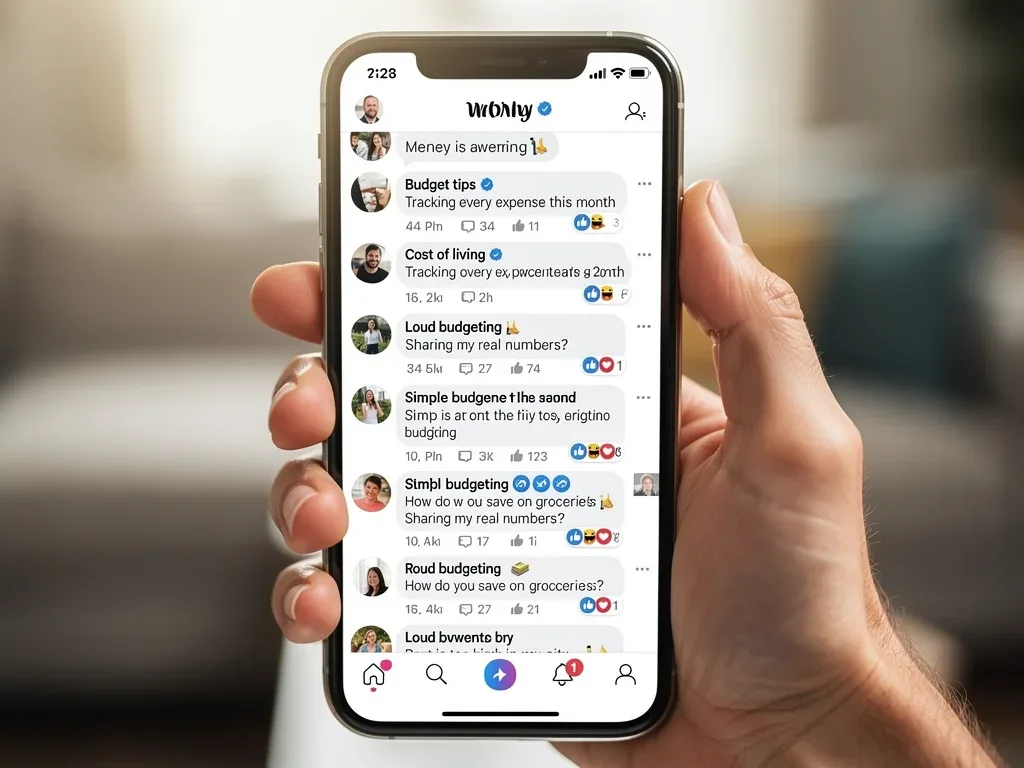
Social media is central to the visibility of Loud Budgeting. Platforms allow users to explain spending decisions, share financial goals, and discuss ways to manage everyday costs.
Short videos and visual posts can make personal finance topics more approachable. Instead of formal financial education, users encounter practical examples from people with similar experiences.
This format also enables rapid sharing and discussion. A budgeting strategy can quickly become part of a much larger online conversation among users facing comparable financial challenges.
Platforms as Financial Forums
TikTok is highlighted in the source as a major space for short-form budgeting content. Users can share spending breakdowns, frugal habits, and progress toward savings goals.
Instagram and YouTube can support longer explanations about debt, investing, and personal financial planning. Creators may combine personal experiences with educational content.
Comments and direct conversations can also create peer-support networks. Users can exchange ideas and compare strategies in ways that feel more interactive than traditional financial education.
The Psychological Benefits of Financial Openness
Loud Budgeting may provide psychological benefits by reducing the secrecy surrounding financial stress. People can feel less isolated when others acknowledge similar challenges.
Openly stating financial limits can also create a greater sense of control. Instead of avoiding uncomfortable conversations, individuals can clearly communicate what they can afford.
Sharing goals may provide accountability as well. When someone expresses a savings target or spending limit, that commitment becomes easier for friends or communities to support.
Reducing Financial Anxiety and Shame
Financial difficulty can produce shame when people believe they are the only ones struggling. Transparent conversations can reveal that similar concerns are widely shared.
This can reduce pressure to hide spending limitations from friends. Saying that an activity is outside the budget becomes a normal financial choice rather than a personal embarrassment.
Vocalizing goals may also make them feel more concrete. Clear statements about saving or reducing expenses can reinforce commitment to those priorities.
Challenges and Criticisms of Loud Budgeting
Loud Budgeting also creates potential challenges. Financial transparency can sometimes produce comparison, judgment, or pressure to present a particular version of financial responsibility.
Social media advice can vary widely in quality. A budgeting strategy that works for one person may not be appropriate for another financial situation.
Privacy is another consideration because detailed financial information can be sensitive. Participants need to decide carefully how much personal data they are comfortable sharing publicly.
Navigating the Pitfalls of Transparency
Even a trend built around honesty can create pressure to perform. Some users may feel they need to demonstrate constant financial progress or unusually disciplined behavior.
It is therefore important to maintain boundaries around sensitive information. Being open about a spending limit does not require publishing account balances or other private details.
Financial information from social media should also be evaluated critically. Peer discussions can be useful, but they should not automatically replace reliable financial education or qualified guidance.
The Future of Financial Literacy and Gen Z
The Loud Budgeting movement reflects a broader change in how younger adults approach financial literacy. Learning increasingly happens through online communities and shared experiences.
This approach can make financial topics feel more relevant to everyday life. Instead of studying abstract examples, users can observe how others handle real spending and saving decisions.
Financial institutions and educators may need to respond to these changing expectations. Transparency and accessible explanations may become more important when communicating with younger consumers.
Empowering a New Generation
Peer-to-peer knowledge sharing can expose young adults to financial ideas they might not encounter elsewhere. Successes and mistakes both become potential learning opportunities.
The trend may also increase demand for straightforward financial products and clearer pricing. Consumers who openly discuss money may be more likely to question fees or complicated terms.
Ultimately, the source presents loud budgeting as a form of financial empowerment. Young adults use communication and community to take a more active role in managing money.
How Loud Budgeting Redefines Social Interactions
Loud Budgeting can change how friends discuss the cost of social activities. People may feel more comfortable saying when a restaurant, trip, or event does not fit their budget.
This transparency can make planning easier because financial limits are communicated before spending occurs. Groups can consider alternatives that work for more participants.
The approach may also reduce competition based on spending. Social relationships can focus more on shared experiences than on demonstrating purchasing power.
Building Stronger, More Authentic Connections
Being open about financial boundaries can reduce the need to pretend that every expense is manageable. Friends can understand one another's circumstances more accurately.
Shared financial realities may also create new forms of support. People can suggest affordable activities or encourage each other to remain committed to savings goals.
This shifts some social interactions away from consumption as the main activity. Connection can remain meaningful even when spending is intentionally limited.
Key Aspect | Description |
|---|---|
Definition | Openly discussing personal finances and spending habits. |
Gen Z Adoption | The source describes widespread normalization of transparency around living costs. |
Key Drivers | Economic pressures, digital culture, and desire for authenticity. |
Impact | Influences spending habits, financial conversations, and social expectations. |
Frequently Asked Questions About Loud Budgeting
What exactly is loud budgeting?▼
Loud budgeting is the practice of openly discussing financial priorities, spending limits, and savings goals. It encourages people to communicate why certain expenses may not fit their current budget instead of hiding those decisions.
Why is Gen Z adopting loud budgeting?▼
The source connects the trend with rising living costs, debt, economic uncertainty, and Gen Z's preference for authenticity. Social media also provides an easy environment for sharing financial experiences.
How does loud budgeting affect consumer behavior?▼
It can encourage more deliberate spending by making financial priorities explicit. Consumers may pay greater attention to value, affordability, experiences, sustainability, and whether a purchase supports their goals.
What are the psychological benefits of this trend?▼
Open conversations may reduce feelings of financial isolation or shame. They can also create accountability and make it easier for friends to understand and support one another's financial boundaries.
Are there any downsides to loud budgeting?▼
Potential challenges include misinformation, unhealthy comparison, financial judgment, and privacy concerns. Participants should evaluate advice critically and avoid sharing sensitive information unnecessarily.
Perspectives
Loud Budgeting represents a broader change in how Gen Z discusses personal finance. Money conversations are becoming more visible, direct, and connected to everyday social decisions.
The source associates the trend with changing consumer behavior and a greater interest in financial transparency. These conversations may continue influencing financial education, marketing, and social expectations.
As Gen Z continues shaping spending culture, loud budgeting may remain part of a wider movement toward intentional consumption and more open financial communication.